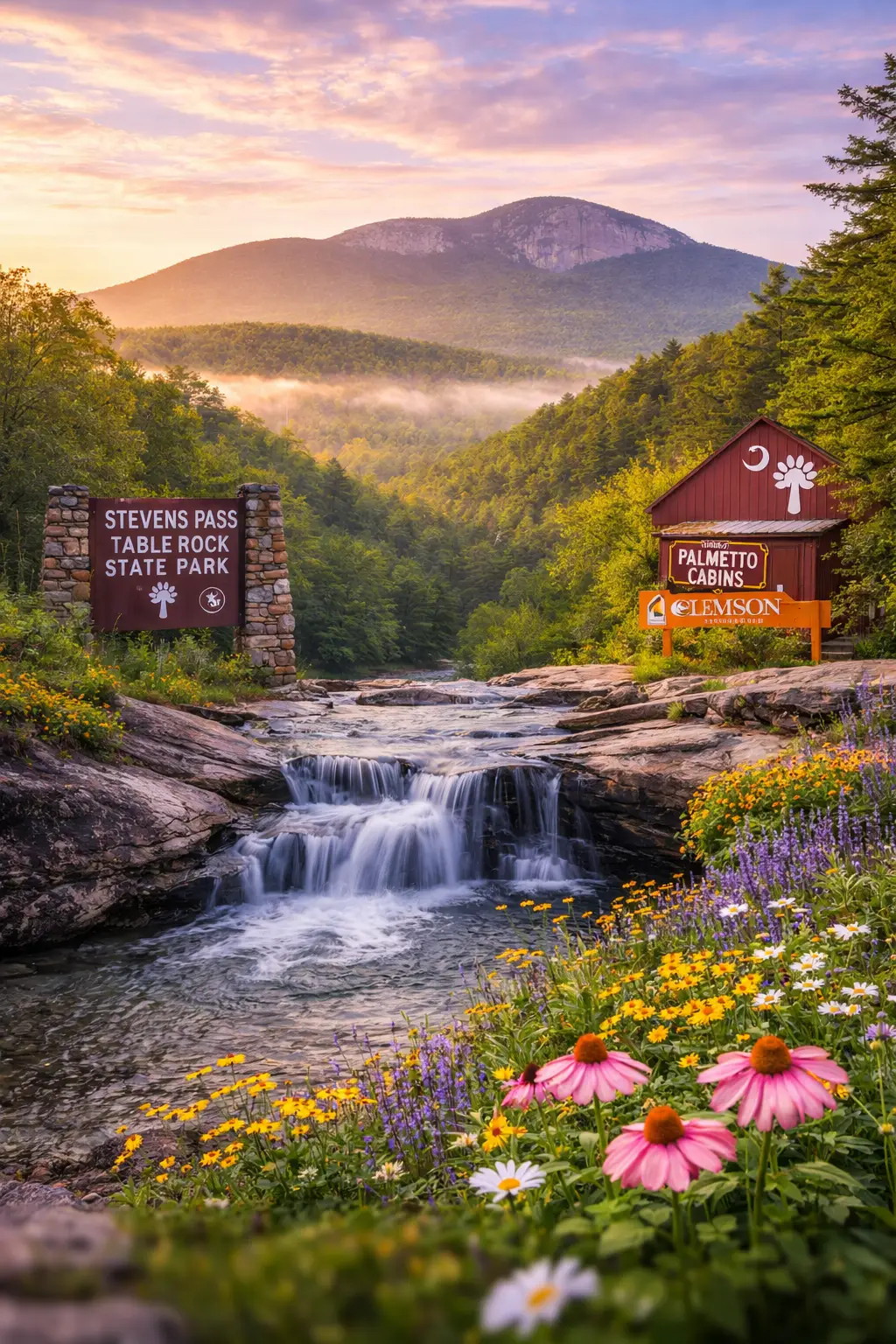
Upstate South Carolina Personal Injury Lawyers
Serving Greenville, Spartanburg, Anderson, and surrounding communities across the Upstate.

About the Upstate Region
The Upstate is one of South Carolina’s fastest-growing regions, with heavy traffic along Interstate 85, Interstate 385, and Interstate 26 contributing to a high volume of serious car and truck accidents. From Greenville to Spartanburg and surrounding communities, injury cases often involve congested routes, commercial trucking routes, and rapidly expanding suburban roadways. Biazzo Injury Law is proud to represent accident victims throughout the Upstate Region of South Carolina and help them pursue the compensation they deserve. The Upstate encompasses a diverse mix of urban centers, growing suburbs, and rural communities, including Greenville, Spartanburg, Anderson, Easley, Greer, Simpsonville, Mauldin, Travelers Rest, Duncan, Boiling Springs, and many other towns throughout the region. As new residents and businesses continue to relocate to the area, traffic congestion has increased on major roadways such as Woodruff Road, Wade Hampton Boulevard, Laurens Road, Highway 123, Highway 29, and Interstate 85. These heavily traveled corridors frequently see collisions involving passenger vehicles, commercial trucks, motorcycles, and pedestrians. The region is also a major economic hub for South Carolina, home to large employers in manufacturing, healthcare, logistics, and distribution. The constant movement of commercial vehicles traveling to and from industrial facilities, warehouses, and distribution centers contributes to a significant number of trucking and commercial vehicle accidents each year. In addition, popular destinations such as downtown Greenville, Falls Park on the Reedy, Bon Secours Wellness Arena, Clemson University, and numerous shopping and entertainment districts generate substantial traffic throughout the region.
Regional Accident Profile
Largest Counties in Region
Greenville County
Greenville County consistently reports one of the highest numbers of traffic collisions in South Carolina each year, driven by rapid population growth and heavy commuter traffic.
Fatal crashes in Greenville County frequently occur along major corridors such as I-85 and I-385, where speed and congestion contribute to severe outcomes.
Spartanburg County
Spartanburg County ranks among the highest in the state for crash volume, with a significant number of collisions occurring along major freight and commuter routes.
Serious and fatal crashes in Spartanburg County are often linked to high-speed interstate travel and rural roadway conditions outside urban centers.
What Are the Most Dangerous Roads in the Region?
Interstate 85 (I-85)
Interstate 85 is one of the busiest freight corridors in the Southeast, running directly through the Upstate. High speeds, heavy commercial truck traffic, and congestion contribute to a high number of serious and multi-vehicle accidents.
Interstate 385 (I-385)
I-385 serves as a major commuter route connecting Greenville and surrounding areas. Traffic congestion, merging patterns, and rapid suburban growth increase the likelihood of collisions, particularly during peak travel times.
U.S. Route 29 (US-29)
US-29 runs through several densely populated areas of the Upstate and combines local traffic with commercial activity. Frequent intersections and varying speed zones contribute to a higher risk of accidents.
Explore the cities we serve across the Upstate region:
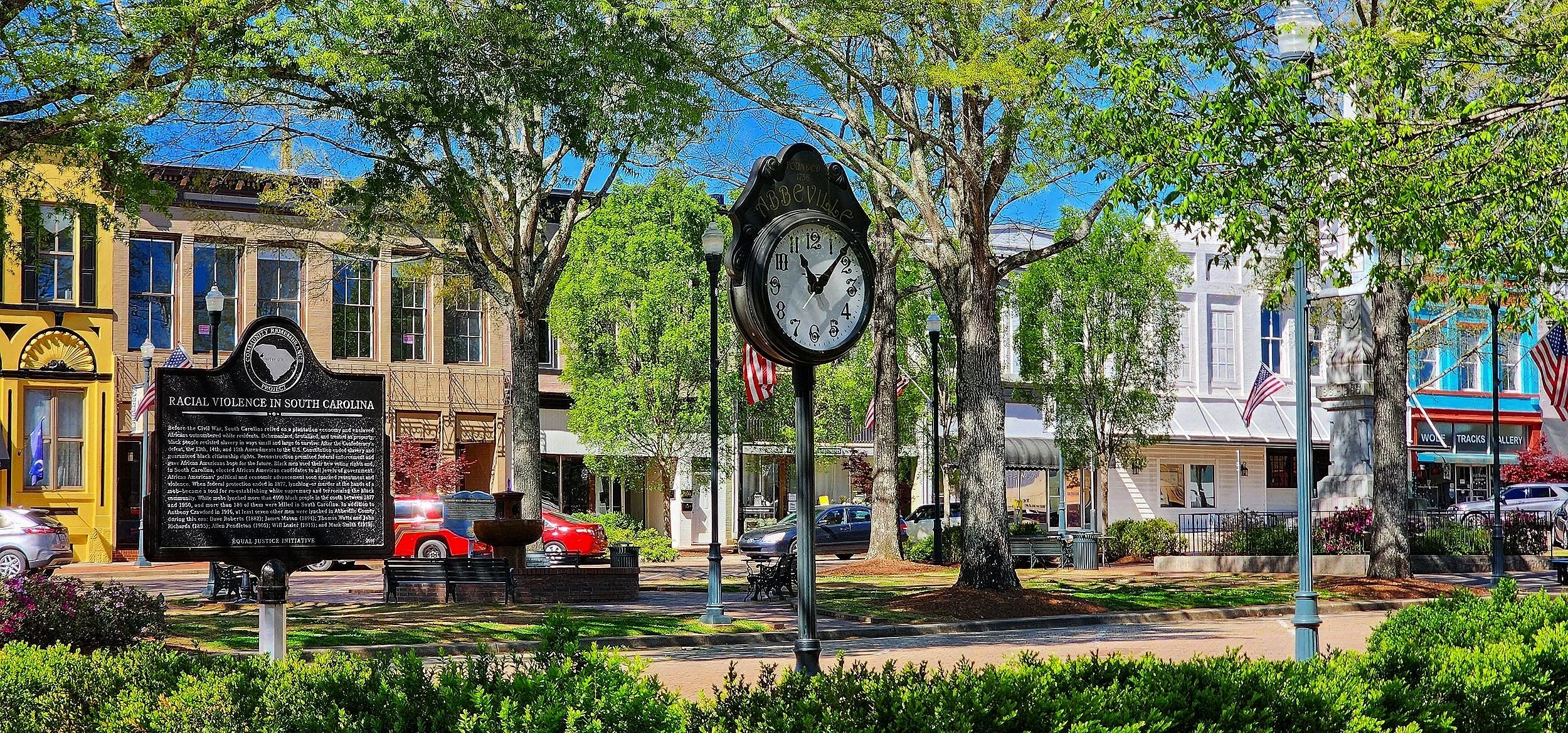
Abbeville
Abbeville is the county seat of Abbeville County — a historic Upstate community where SC-72, SC-28, SC-71, and SC-20 carry regional and local traffic through a network of two-lane state highways that connect the city to Greenwood, Anderson, and the Georgia line.
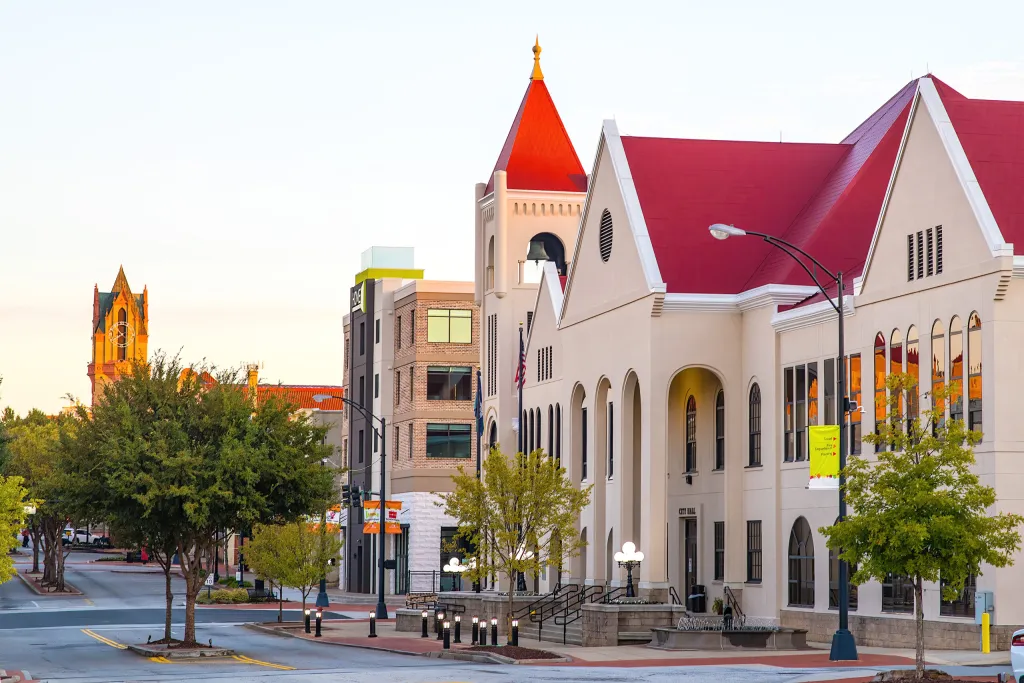
Anderson
Anderson is the largest city and county seat of Anderson County — a growing Upstate city where US-29, US-76, SC-28, and SC-81 carry high commercial and commuter volumes through a road network that serves as the transportation hub for all of Anderson County.
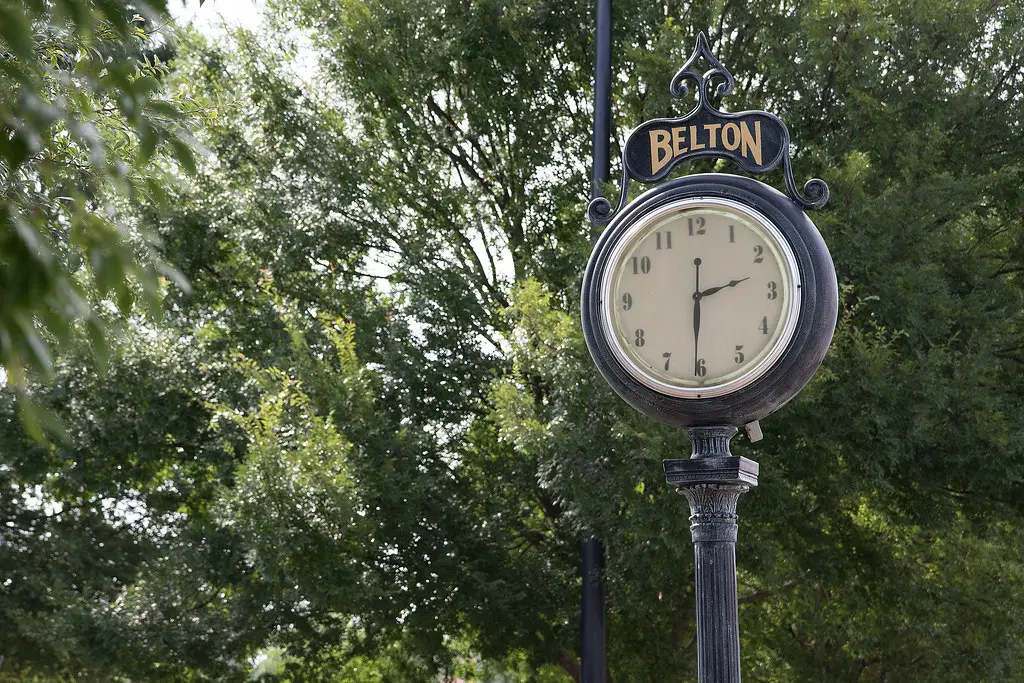
Belton
Belton sits at the intersection of two US highways in Anderson County — here's what crash data reveals about this rural corridor town.
Berea
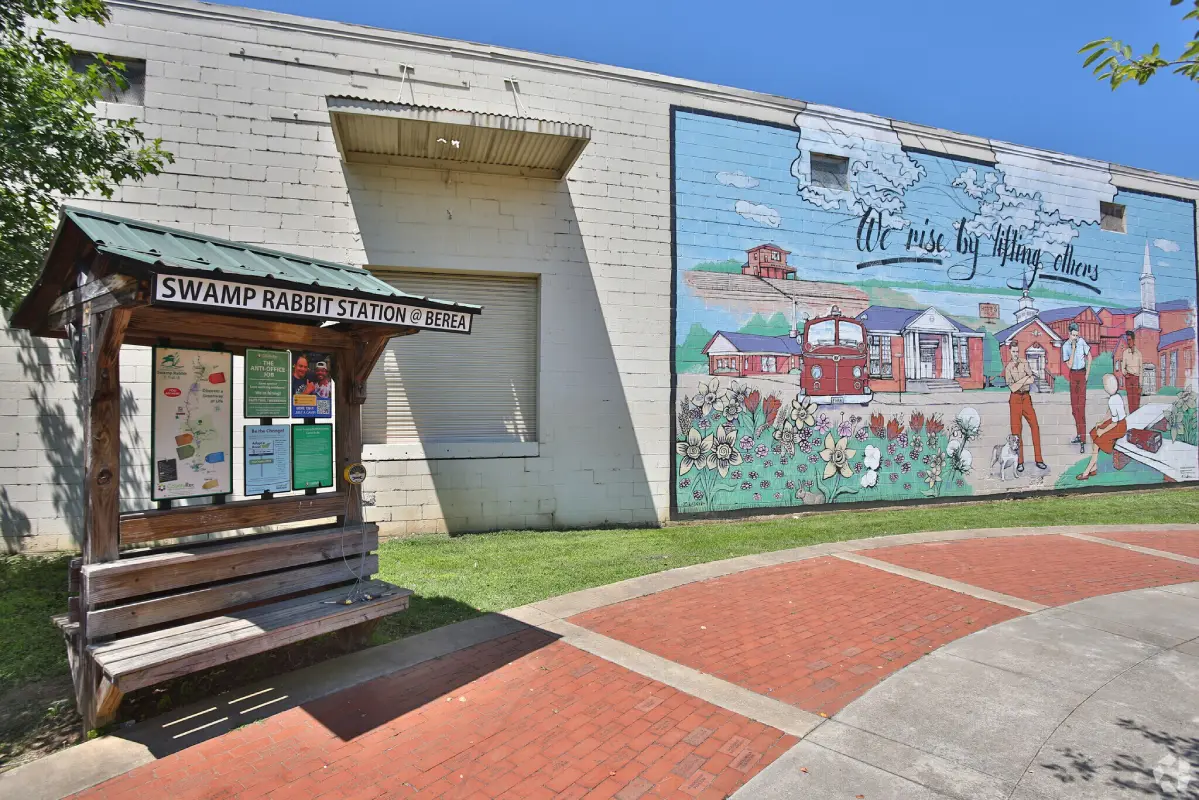
Berea is an unincorporated Greenville County community on the northwestern edge of the city of Greenville where US-25 and SC-183 carry dense commuter and commercial traffic through a mature suburban corridor with limited road capacity.
Blacksburg
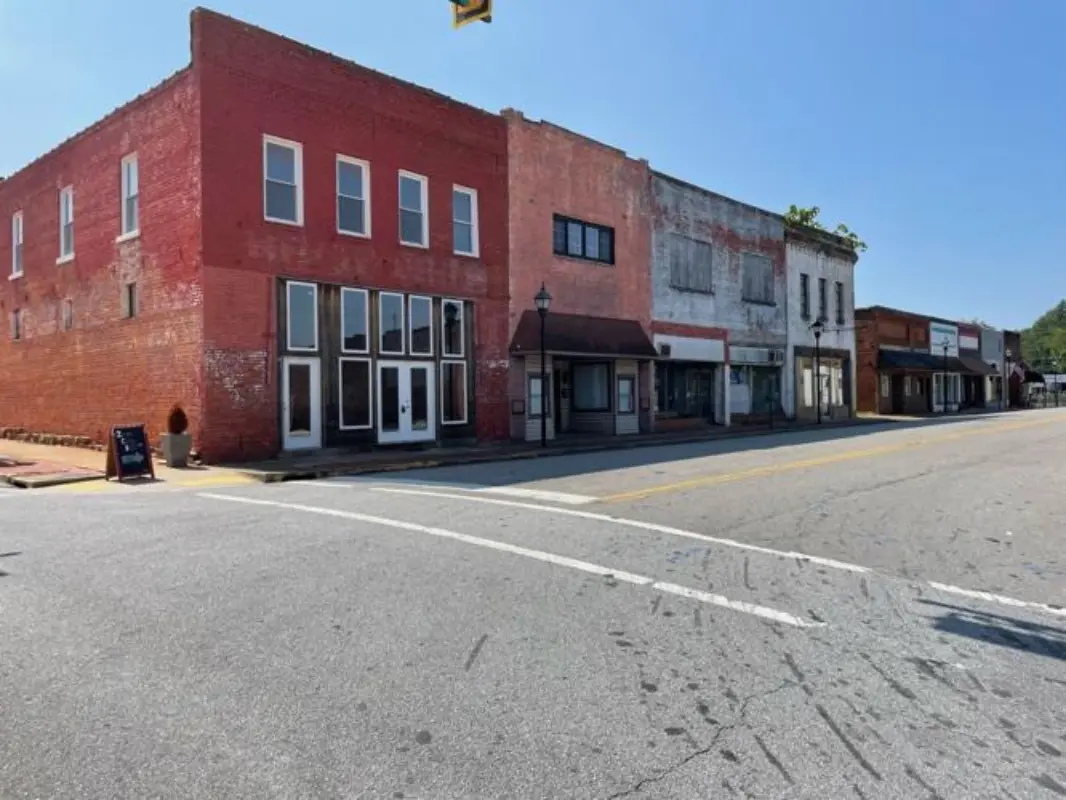
Blacksburg is a Cherokee County city near the NC border where US-29 and SC-5 carry regional traffic through a former textile community — rural two-lane corridors with cross-border commuter traffic and limited intersection controls that contribute to Cherokee County's crash profile.
Boiling Springs
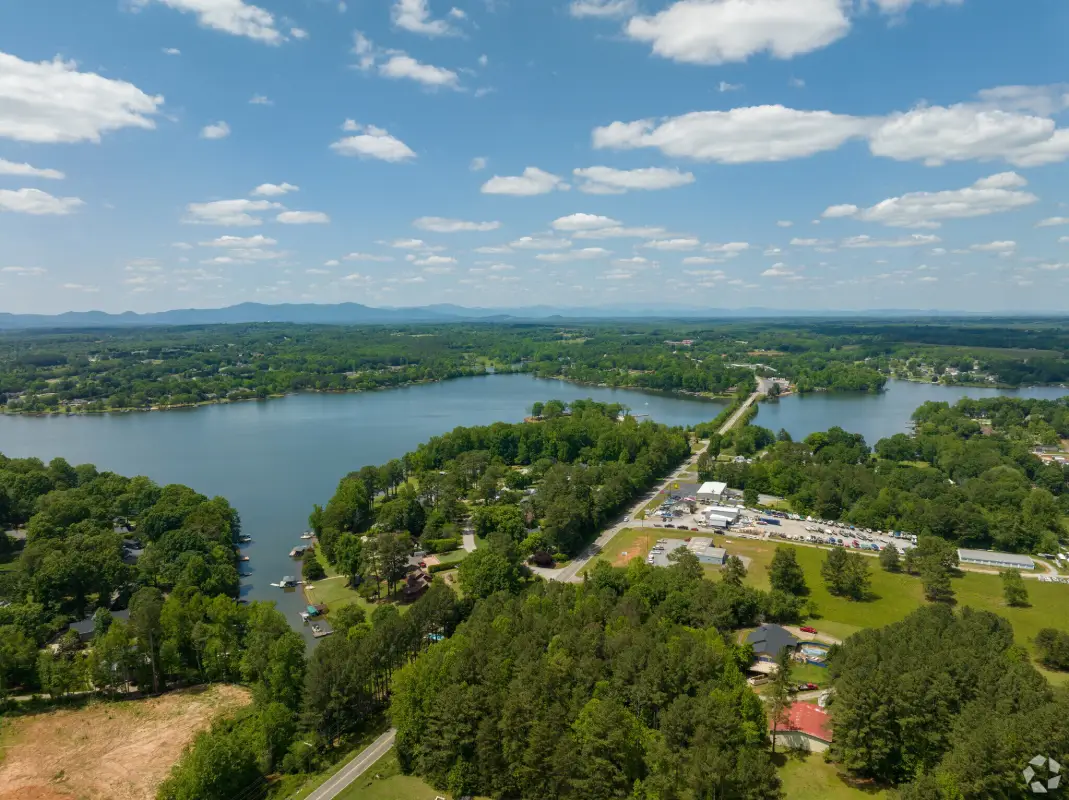
Boiling Springs is one of Spartanburg County's fastest-growing unincorporated communities, with US-176 and SC-9 carrying rapidly increasing retail and commuter traffic through a corridor that was not designed for current volumes.
Calhoun Falls
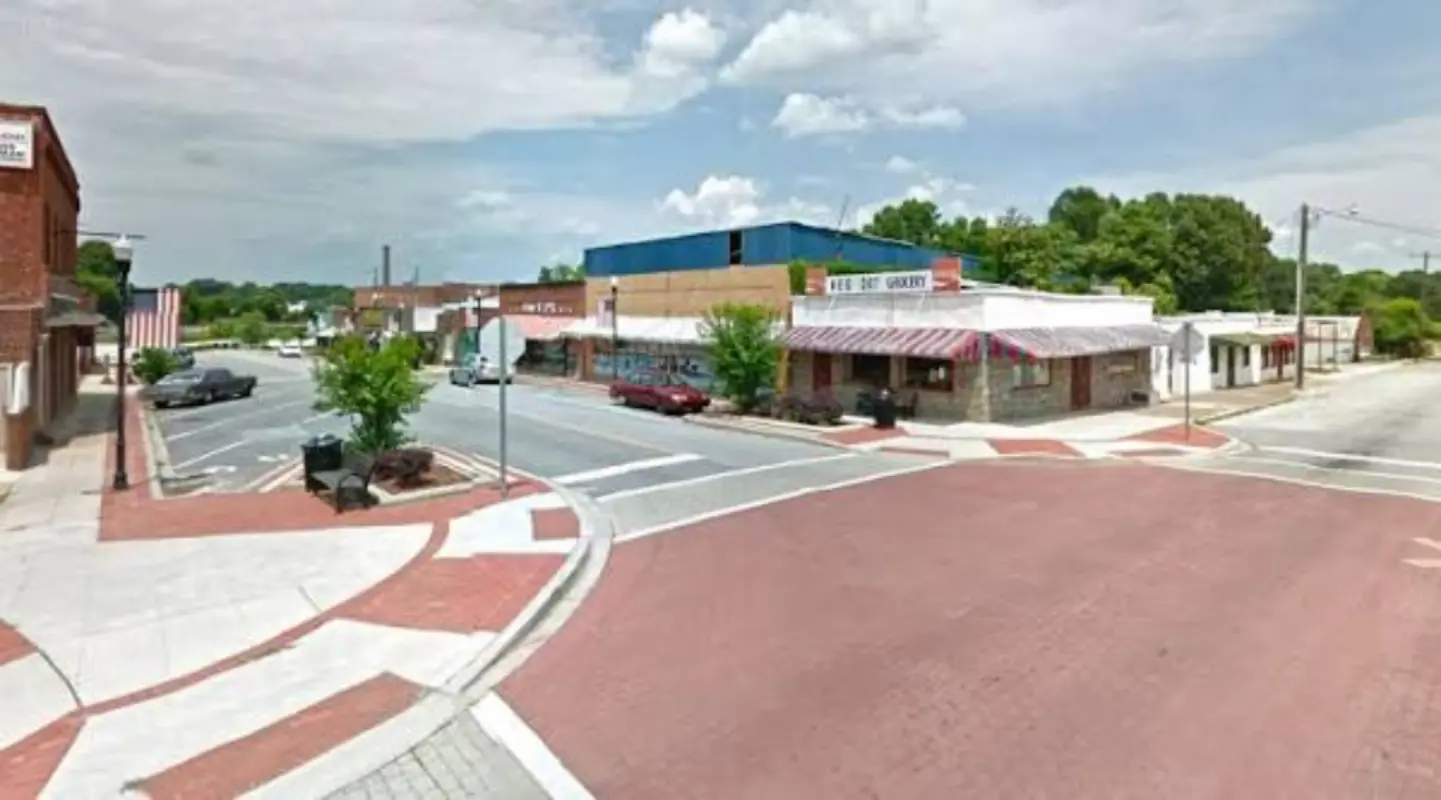
Calhoun Falls is a small town in western Abbeville County near Richard B. Russell Lake and the Georgia state line, where SC-72 (Russell Lake Boulevard) and SC-81 carry local traffic, lake-bound recreational visitors, and regional through-traffic on rural two-lane highways.

Central
Central sits between Clemson University and Easley on SC-93 and US-123 — two corridors that see heavy student, commuter, and event-day traffic year-round.

Cherokee Falls
Cherokee Falls is a small unincorporated community in northern Cherokee County along the Broad River, where SC-329 and a network of rural two-lane roads carry local and regional traffic between Blacksburg, Gaffney, and the North Carolina state line.

Chesnee
Chesnee is a small community in northern Spartanburg County where SC-11, US-221, and rural connectors carry commuters and recreational travelers through a corridor that mixes local traffic with drivers heading to Cherokee County and the NC border.

Clemson
Clemson is home to Clemson University — one of South Carolina's largest universities — where US-76, SC-93, and US-123 carry a uniquely high crash risk from the collision of student drivers, game-day traffic surges, pedestrian-heavy corridors near campus, and heavy commercial vehicles on regional state highways.

Clinton
Clinton is a Laurens County city positioned at the intersection of I-26 and US-76, where interstate traffic meets a regional highway network serving the Piedmont textile corridor — creating crash risk from both high-speed interstate travel and urban arterial conflicts.

Cowpens
Cowpens sits along the I-85 corridor near the Spartanburg–Cherokee County line, where interstate through-traffic, US-29 commercial movement, and SC-11 scenic highway access converge in a community that sees both high-speed crash risk and rural intersection crashes.
Due West
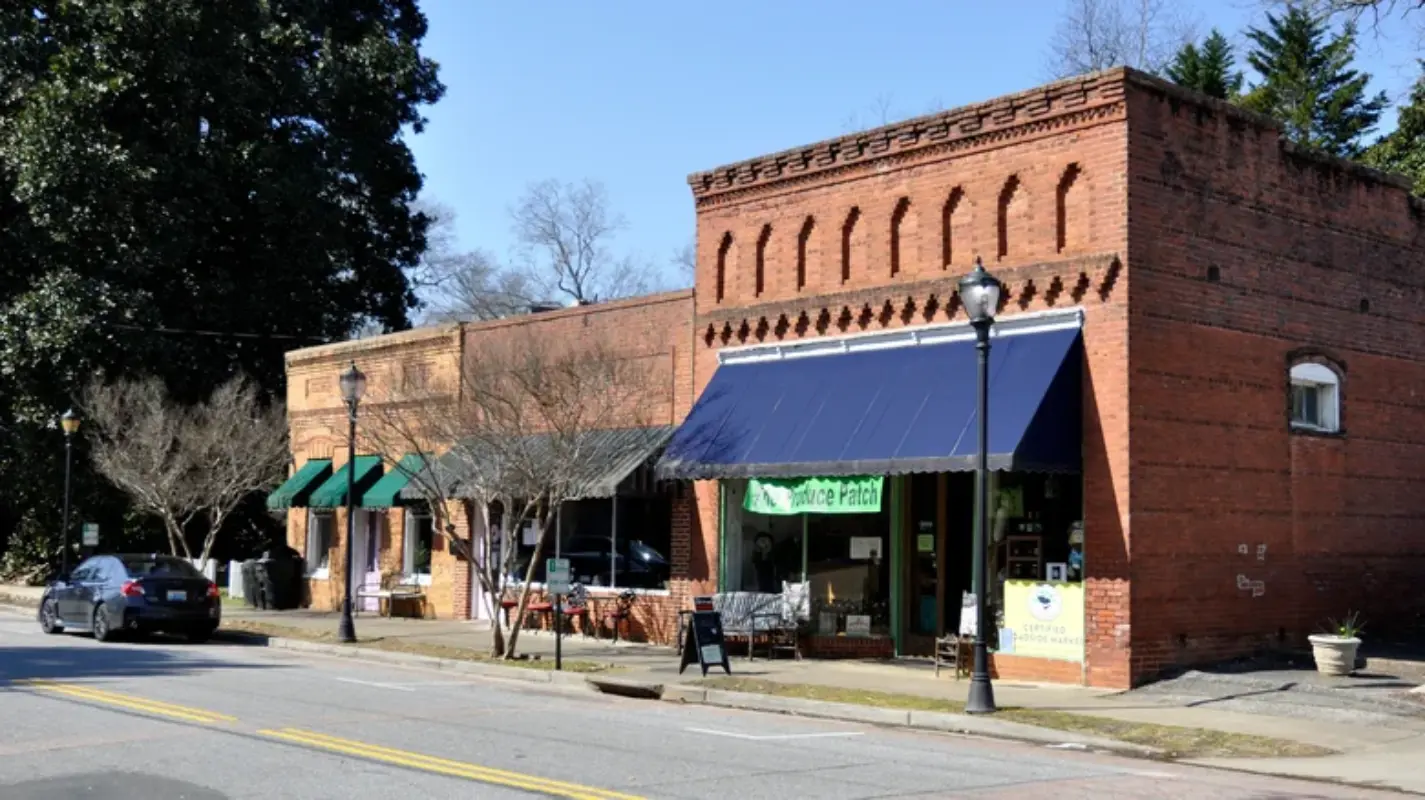
Due West is a small college town in northern Abbeville County, home to Erskine College, where SC-20, SC-184, and SC-185 carry local traffic, student and campus traffic, and regional through-movements on rural two-lane highways.

Duncan
Duncan sits directly on I-85 in southeastern Spartanburg County — a high-volume freight corridor where commercial truck traffic, industrial plant access, and commuters to Greer and Spartanburg create consistent crash activity at and near the I-85 interchanges.

Easley
Easley is Pickens County's largest city and commercial hub, where SC-8, US-123, and SC-135 carry a growing volume of retail, commuter, and regional traffic through a rapidly expanding corridor on the county's eastern edge.

Fountain Inn
Fountain Inn is a growing Greenville County community at the southern end of the I-385 corridor where SC-418 and US-276 carry commuter traffic between Simpsonville and Laurens County through a rapidly developing area.
.webp)
Gaffney
Gaffney sits directly on I-85 between Charlotte and Spartanburg — one of the highest-volume freight and commuter interstate segments in the Carolinas — making it a consistent location for serious highway crashes.
Gray Court
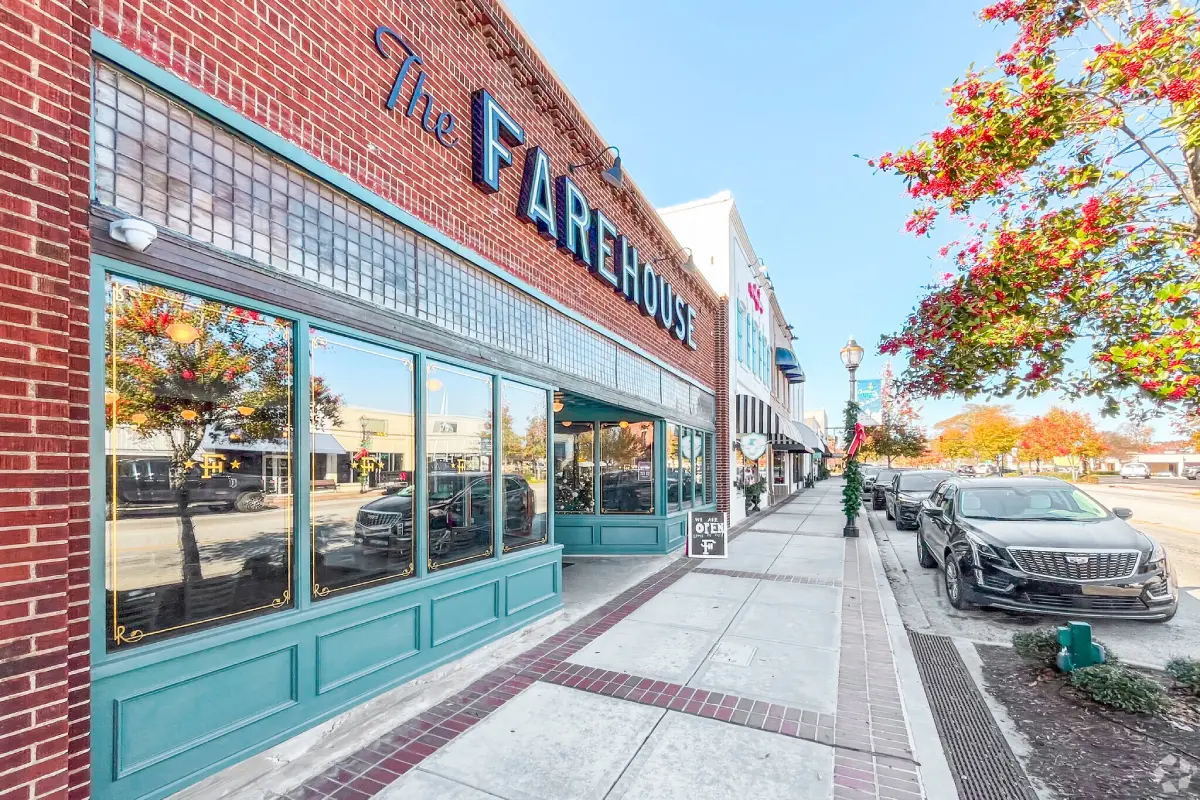
Gray Court is a small town in northern Laurens County positioned along the I-385 corridor between Laurens and the Greenville metro, where interstate traffic and rural state highways such as SC-101 and SC-14 intersect with local roads.
.webp)
Greenville
Greenville is the largest city in Upstate South Carolina and one of the fastest-growing metros in the Southeast, with I-85, I-385, and Woodruff Road carrying traffic volumes that produce some of the highest crash rates in the state.

Greenwood
Greenwood is the county seat and largest city in Greenwood County — a regional hub in the western Midlands/Upstate border area where US-25, US-221, and SC-72 carry significant commercial and commuter traffic through a growing city with an evolving road network.

Greer
Greer is one of Upstate South Carolina's fastest-growing cities, positioned on I-85 between Spartanburg and Greenville with major industrial employers, the Greenville-Spartanburg International Airport, and a growing residential population generating high crash volumes on its primary corridors.

Honea Path
Honea Path is an Anderson County town where US-178 and SC-252 carry commuter and commercial traffic through a former textile mill community — rural two-lane corridors with speed differentials and limited intersection controls that contribute to Anderson County's annual crash total.
Inman
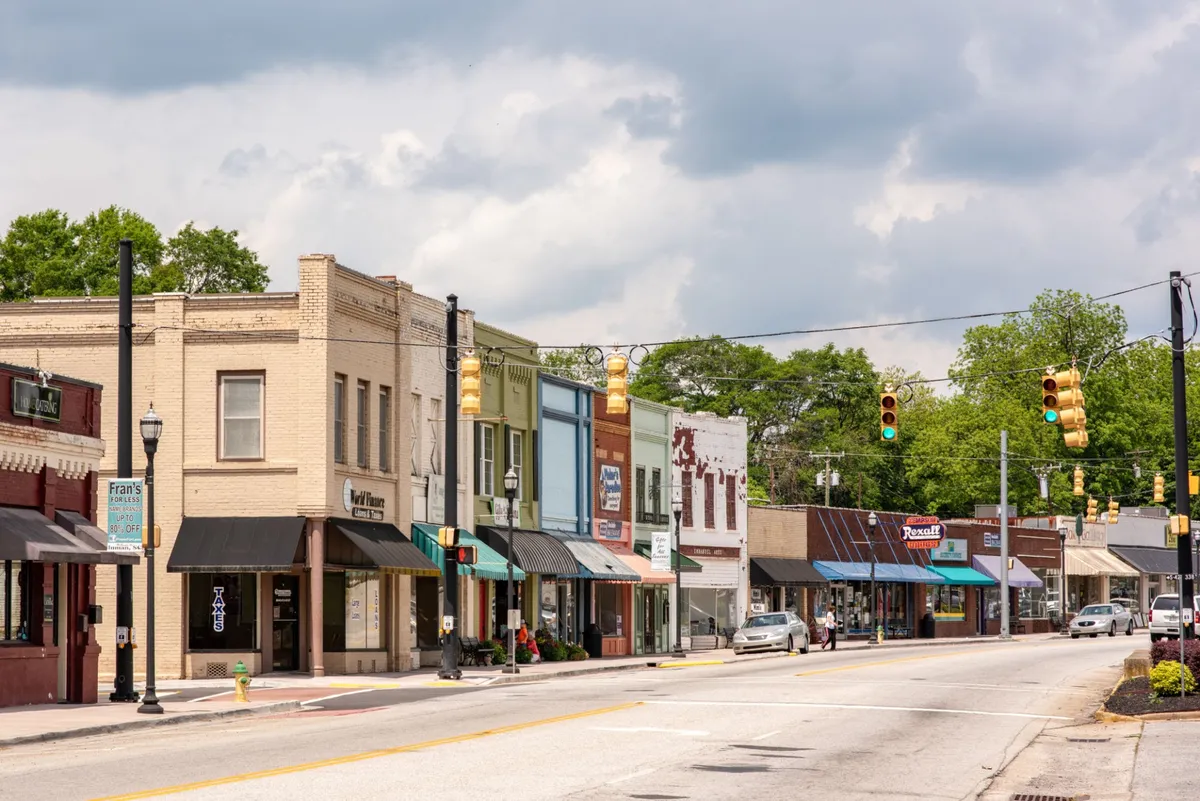
Inman sits at the junction of US-176 and SC-292 in northern Spartanburg County — a rural corridor town where through-traffic from Spartanburg and Boiling Springs meets local residential traffic with limited infrastructure.

Jonesville
Jonesville is a small town in northern Union County where SC-9, SC-18, and US-176 carry local and regional traffic between Union, Gaffney, and the Spartanburg area on a mix of two-lane state highways and a four-lane bypass.

Landrum
Landrum is a small Spartanburg County city at the base of the Blue Ridge Mountains on the North Carolina border, where I-26, US-176, and SC-11 carry a mix of interstate freight, foothills recreational traffic, and local commuters through a mountain-gateway corridor.
Laurens
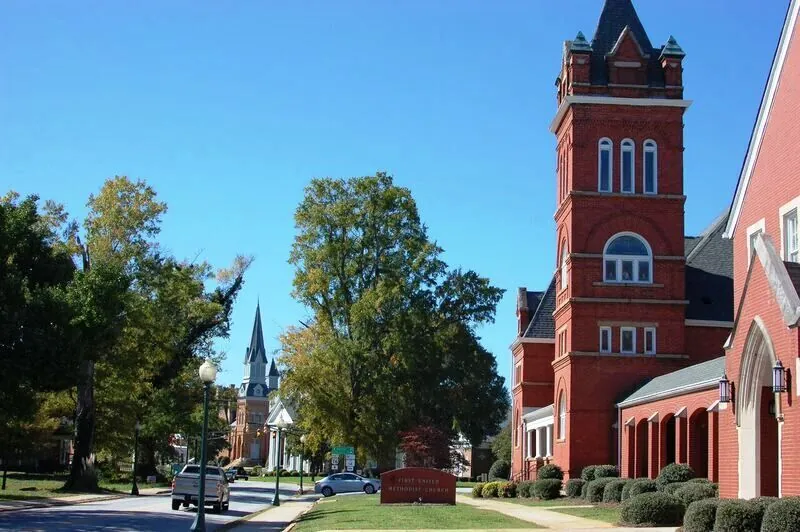
Laurens is the county seat of Laurens County — a growing Upstate community where US-221, US-76, and SC-49 carry regional and local traffic through a road network that connects the county to both Greenville and Greenwood on two-lane rural highways with limited safety infrastructure.
Liberty
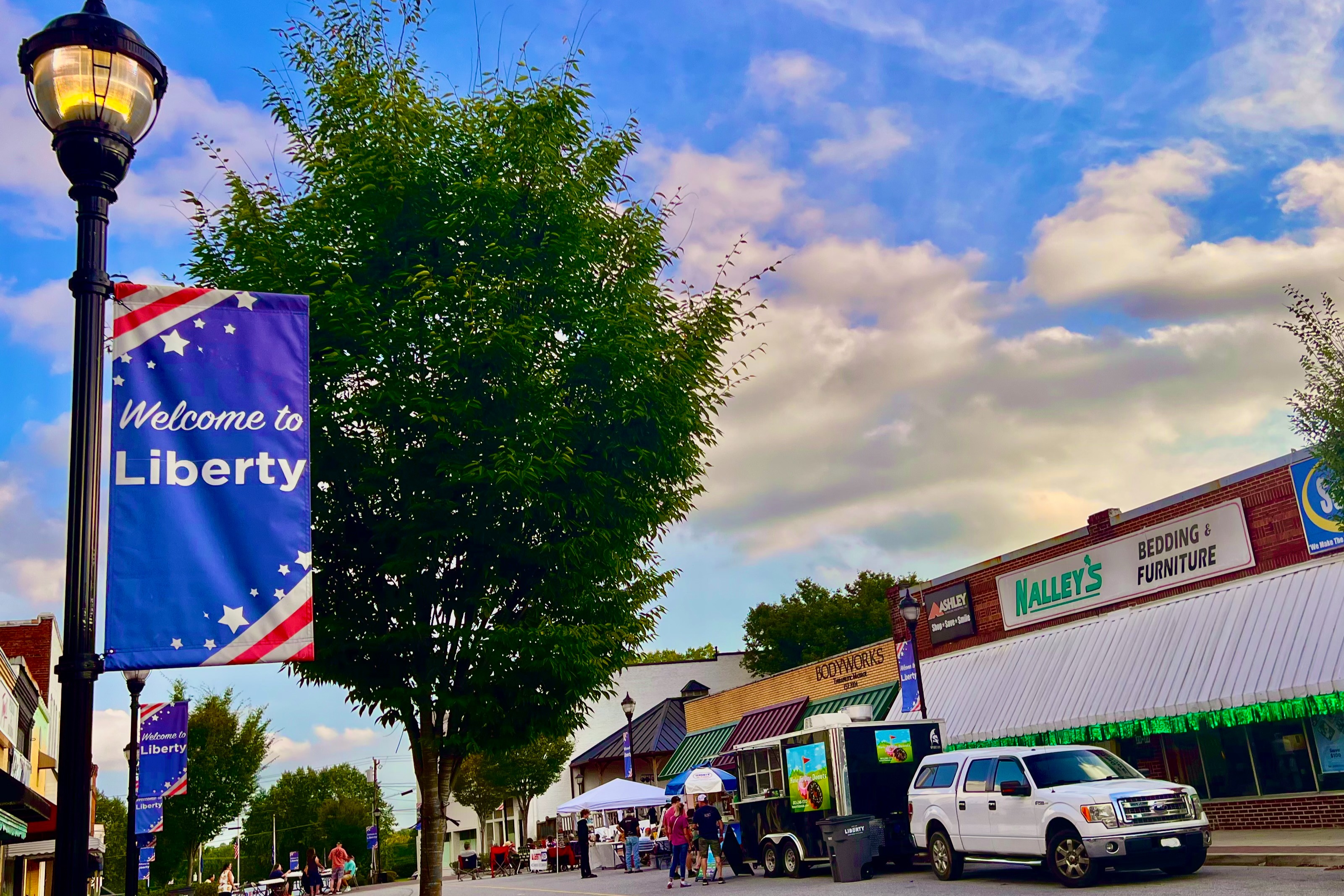
Liberty is a small Pickens County city positioned on US-123 between Easley and Clemson — a corridor that carries university-related traffic, regional commuters, and industrial workers through a transitioning rural-to-suburban road environment.

Lockhart
Lockhart is a small town in northeastern Union County along the Broad River near the Chester County line, where SC-9 and SC-49 merge through town and cross the river on rural two-lane highways.

Lyman
Lyman is a small Spartanburg County community positioned between I-26 and the Greer area, where industrial facilities and commuter traffic on SC-56 and the I-26 frontage roads generate significant crash activity.

Mauldin
Mauldin is a densely developed Greenville County suburb sitting between I-385 and the Greenville city limits, where US-276, Woodruff Road, and SC-14 carry some of the county's highest suburban crash volumes through a mature commercial corridor.

Moore
Moore is an unincorporated Spartanburg County community along the I-26 corridor where the Moore-Duncan Highway (SC-290) and I-26 generate both high-speed interstate crash risk and surface highway conflicts — a fast-growing area where road infrastructure has lagged behind residential and commercial development.
Ninety Six
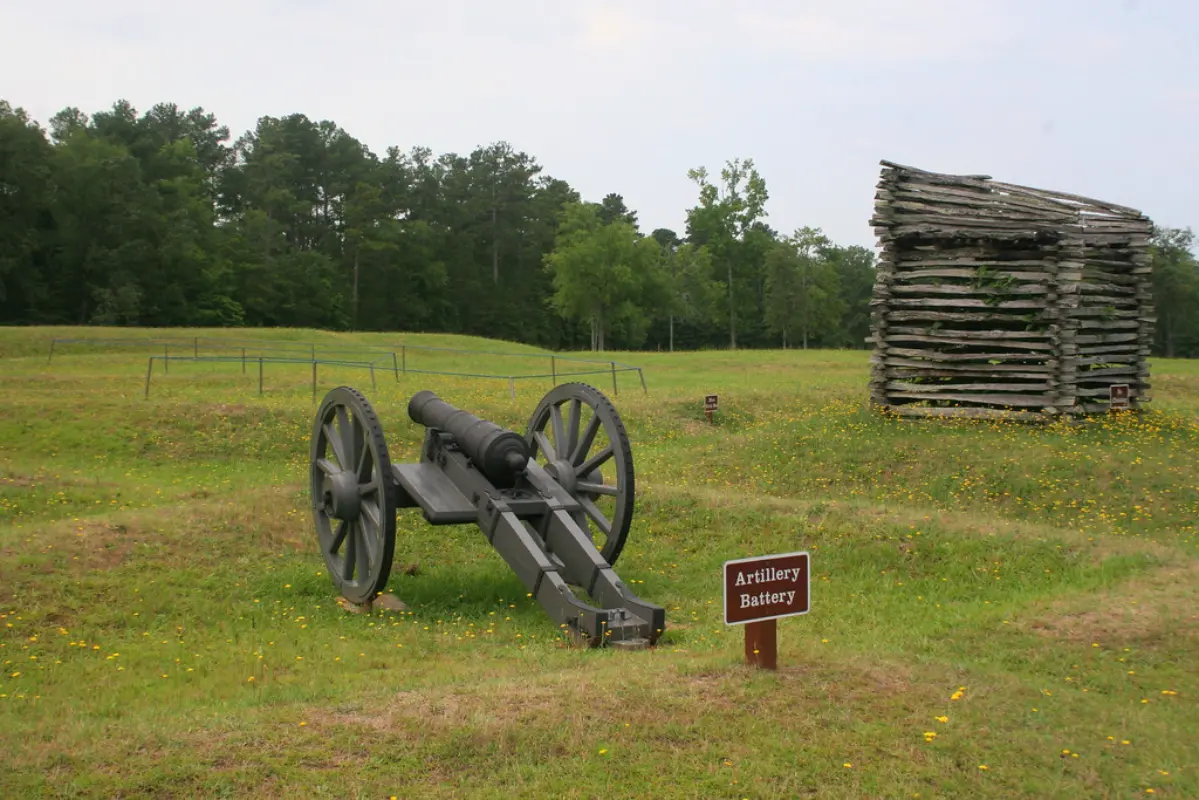
Ninety Six is a Greenwood County town where SC-34 and SC-246 carry commuter and through traffic through the rural Piedmont of western South Carolina — rural two-lane corridors with limited intersection controls and agricultural vehicle traffic that contribute to Greenwood County's annual crash total.

Pacolet
Pacolet is a southeastern Spartanburg County mill town where SC-150, US-176, and the Pacolet River corridor carry commuter and through traffic on two-lane rural roads with limited infrastructure — a crash environment characterized by speed-differential risk and rural intersection conflicts far from the county's urban core.
Pauline
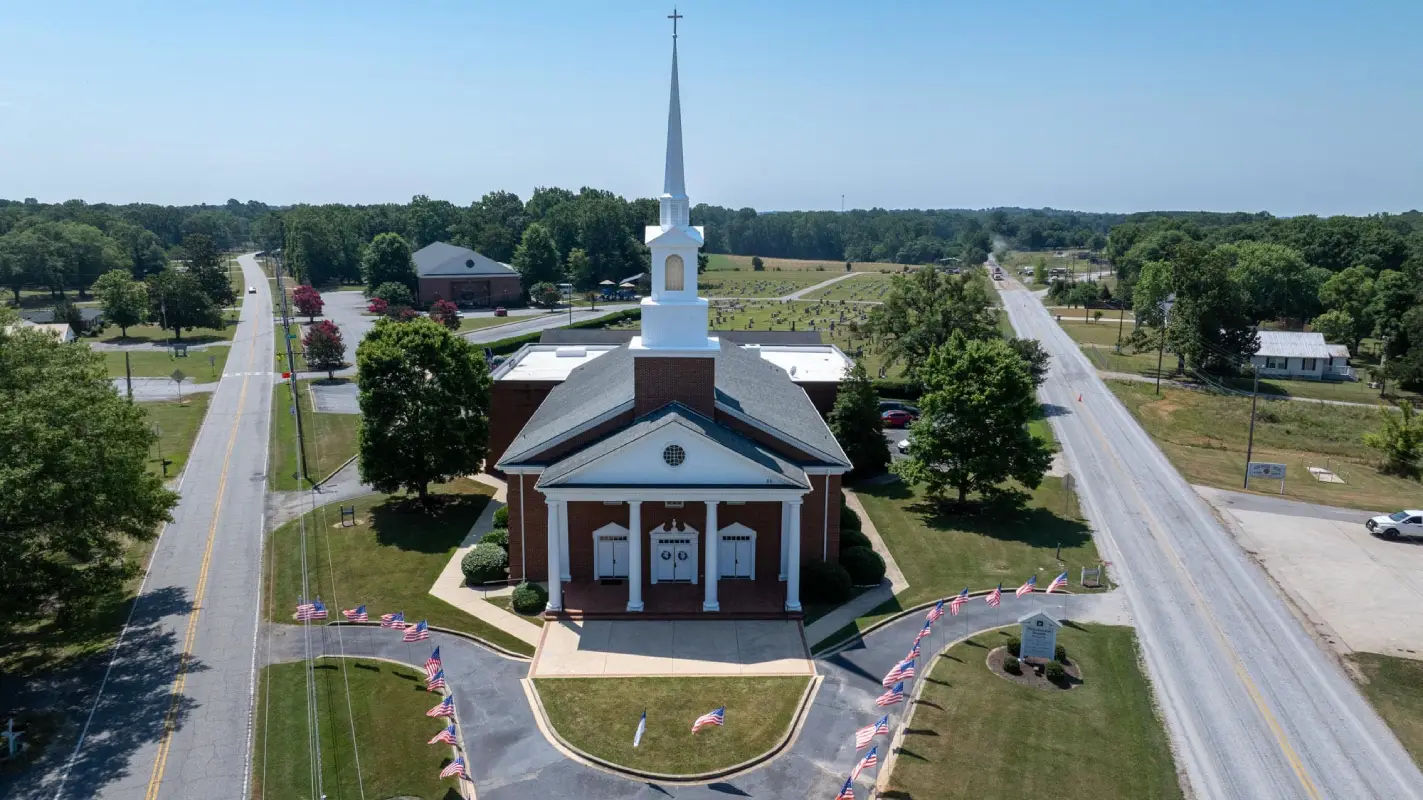
Pauline is an unincorporated southeastern Spartanburg County community where SC-215 and SC-56 carry rural two-lane traffic between Spartanburg, Chesnee, and Cherokee County — a rural community with no municipal police, limited road infrastructure, and higher-than-average travel times to acute care following a serious crash.
.webp)
Pendleton
Pendleton's position between Anderson and Clemson means US-76 traffic surges on game days and during the academic year — here's how that translates to crash risk.

Pickens
Pickens is the county seat of Pickens County, situated in the foothills of the Blue Ridge Mountains where US-178, SC-8, and SC-183 carry commuter, commercial, and recreational traffic through a mountain-gateway corridor with both rural and community crash risks.
Powdersville
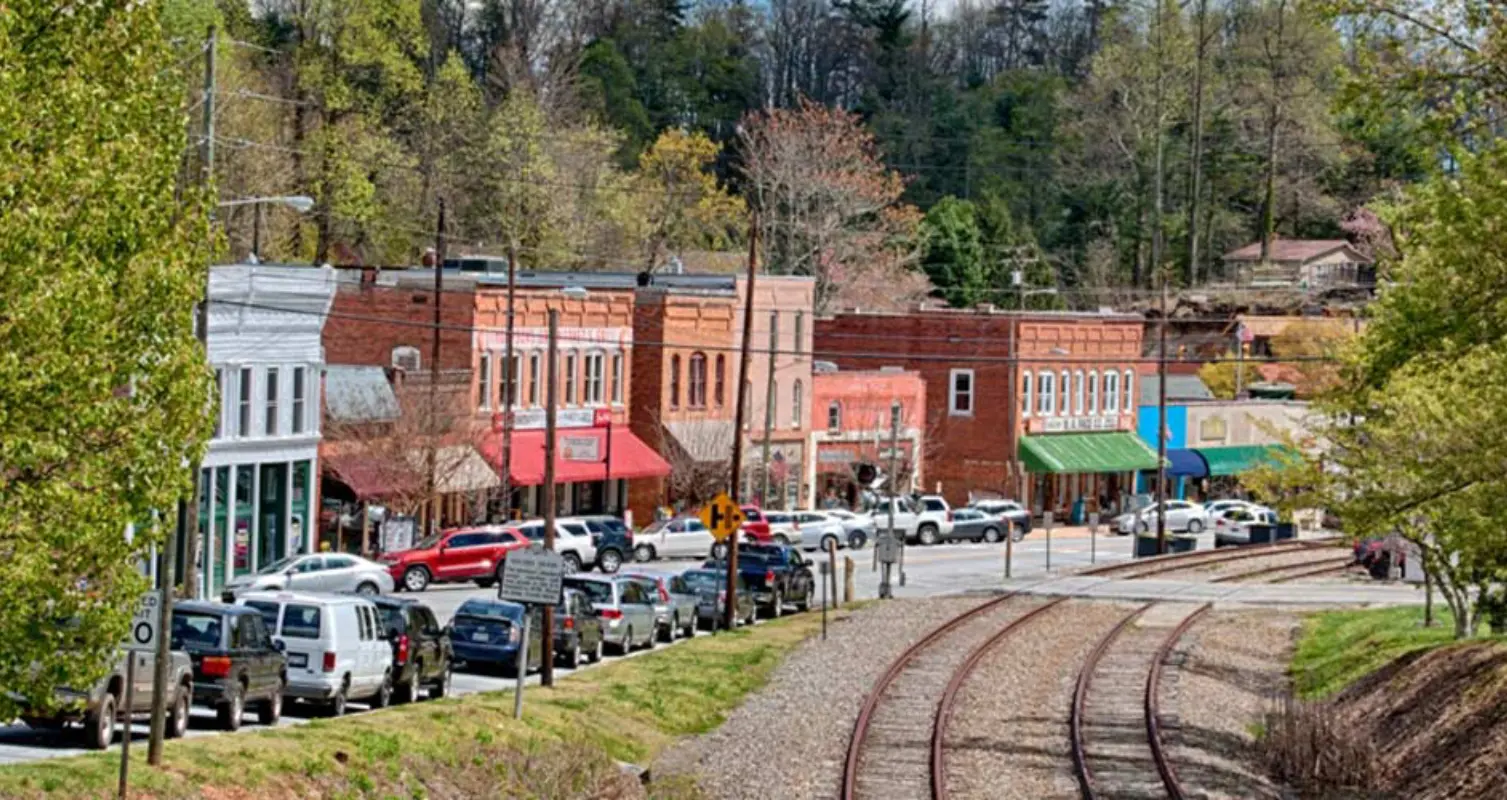
Powdersville is one of Anderson County's fastest-growing unincorporated communities, positioned on US-25 between Greenville and Anderson where rapid residential and commercial development has pushed traffic far beyond the corridor's original design capacity.
.webp)
Reidville
Reidville is an unincorporated Spartanburg County community along the I-85 corridor where Reidville Road (SC-296) and US-29 carry commuter traffic between the Greenville and Spartanburg metros — an interstate-adjacent community where high-speed interchange crashes and growing commuter corridor conflicts define the local crash profile.

Roebuck
Roebuck is an unincorporated Spartanburg County community where US-221 and SC-296 serve as primary corridors for commuter and commercial traffic moving between Spartanburg's southern suburbs and the city's core.

Seneca
Seneca is the largest city in Oconee County — the westernmost county in Upstate South Carolina — where US-123, SC-59, and SC-28 carry a mix of local traffic, Lake Hartwell recreational visitors, and Clemson University-related travelers through a community near the Georgia and North Carolina borders.

Simpsonville
Simpsonville is one of Greenville County's fastest-growing cities, with I-385, US-276, and Fairview Road carrying high commuter and retail traffic volumes through a rapidly developing suburban corridor south of Greenville.

Spartanburg
Spartanburg sits at the convergence of three interstates — I-85, I-26, and I-585 making it one of the most traffic-dense corridors in Upstate South Carolina and a consistent source of serious crash activity.

Taylors
Taylors is an unincorporated Greenville County community along the US-29 / Wade Hampton Boulevard corridor — one of the busiest commercial arterials in the Upstate — where heavy traffic, dense retail development, and a growing residential population create persistent crash conditions.

Travelers Rest
Travelers Rest is a growing Greenville County community at the base of the Blue Ridge foothills where US-25 and SC-11 carry a mix of local commuters, recreational visitors to the Swamp Rabbit Trail, and foothills travelers — creating a diverse crash environment on both urban and rural road segments.

Union
Union is the county seat of Union County — a rural Upstate county where US-176, US-221, and SC-49 carry regional traffic through a road network with limited four-lane capacity and few controlled intersections.
Walhalla
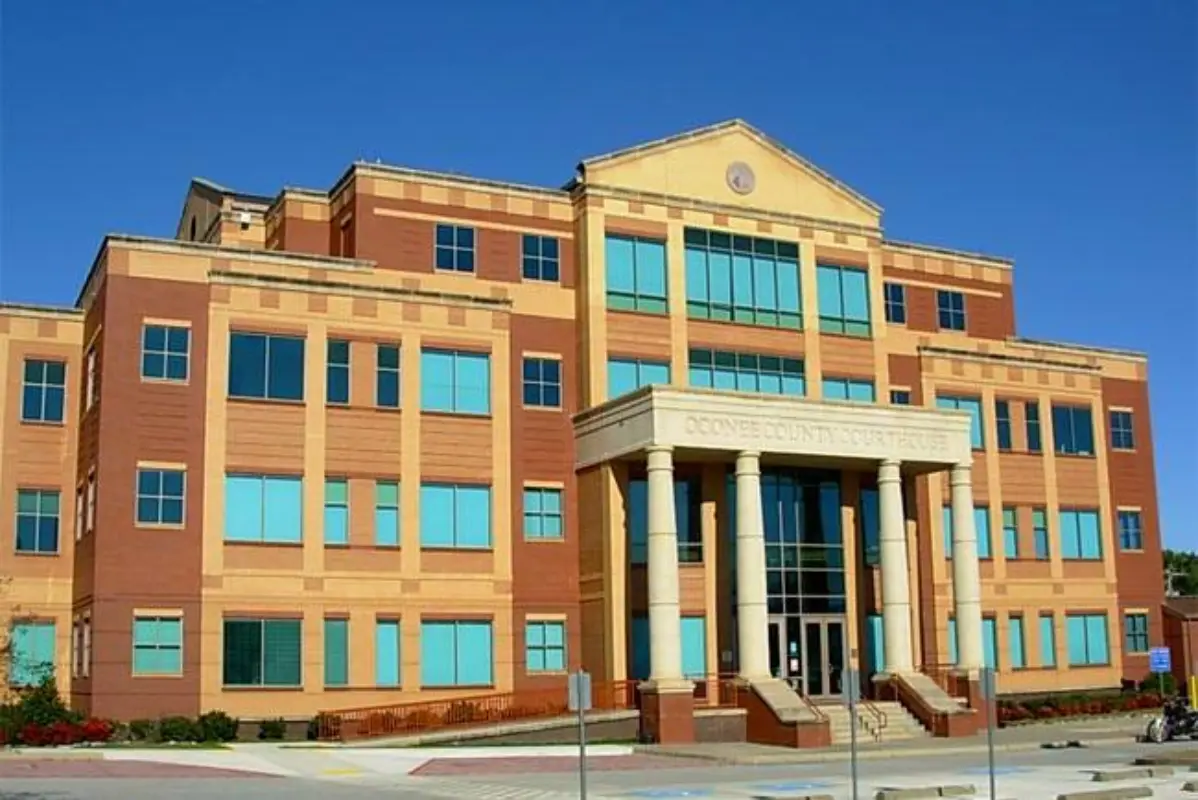
Walhalla is the Oconee County seat and a gateway to the Blue Ridge foothills — mountain approach roads and a busy courthouse square create distinct crash patterns in this small city.

Ware Shoals
Ware Shoals is a small former textile-mill town on the Saluda River where the borders of Greenwood, Laurens, and Abbeville counties meet, with SC-72, SC-39, and SC-420 carrying local and regional traffic on rural two-lane highways.

Wellford
Wellford sits on I-85 between Spartanburg and Greer — one of the highest-volume freight corridors in the Southeast — making interstate crashes a defining injury risk for this small community.
Westminster
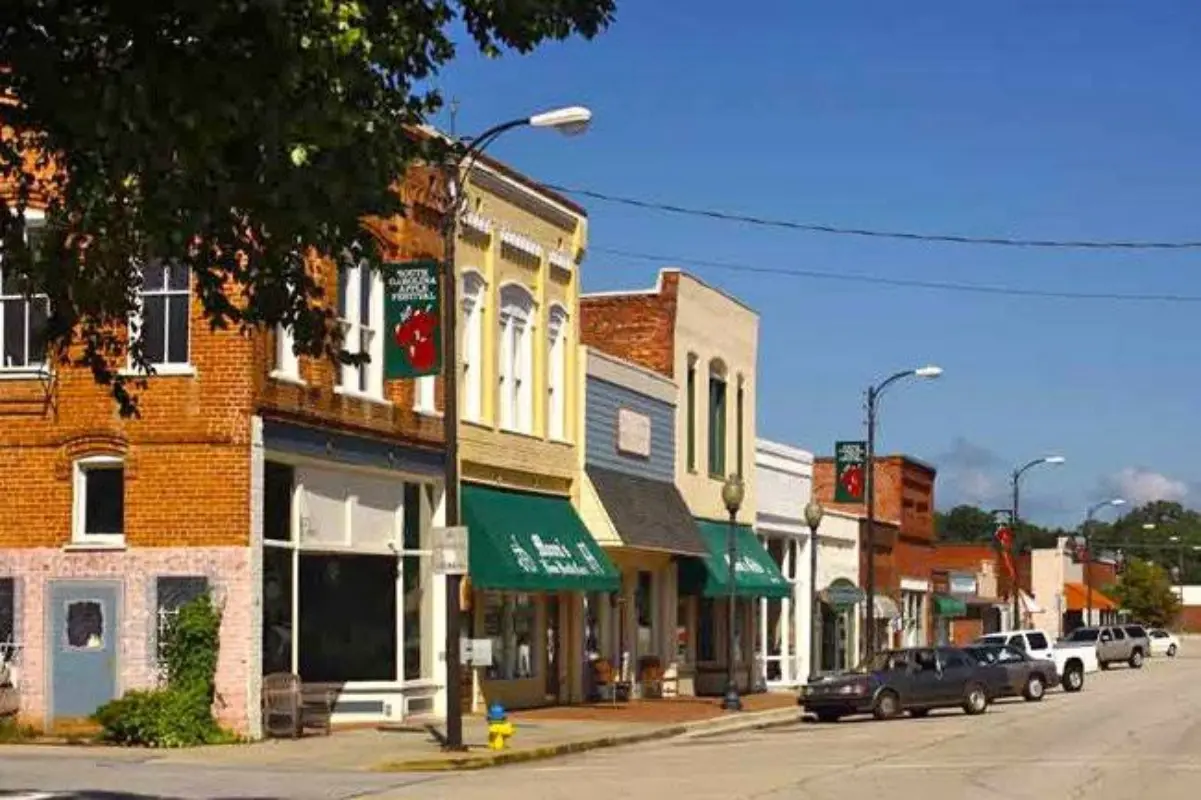
Westminster is an Oconee County city where US-123 and US-76 intersect in the heart of the South Carolina foothills — a junction of regional highways that creates merging, turning, and rural two-lane crash risk in a county with limited trauma resources.

Williamston
Car crashes along Williamston's US-29 corridor are a persistent problem — here's a look at the crash landscape in Anderson County.
Woodruff
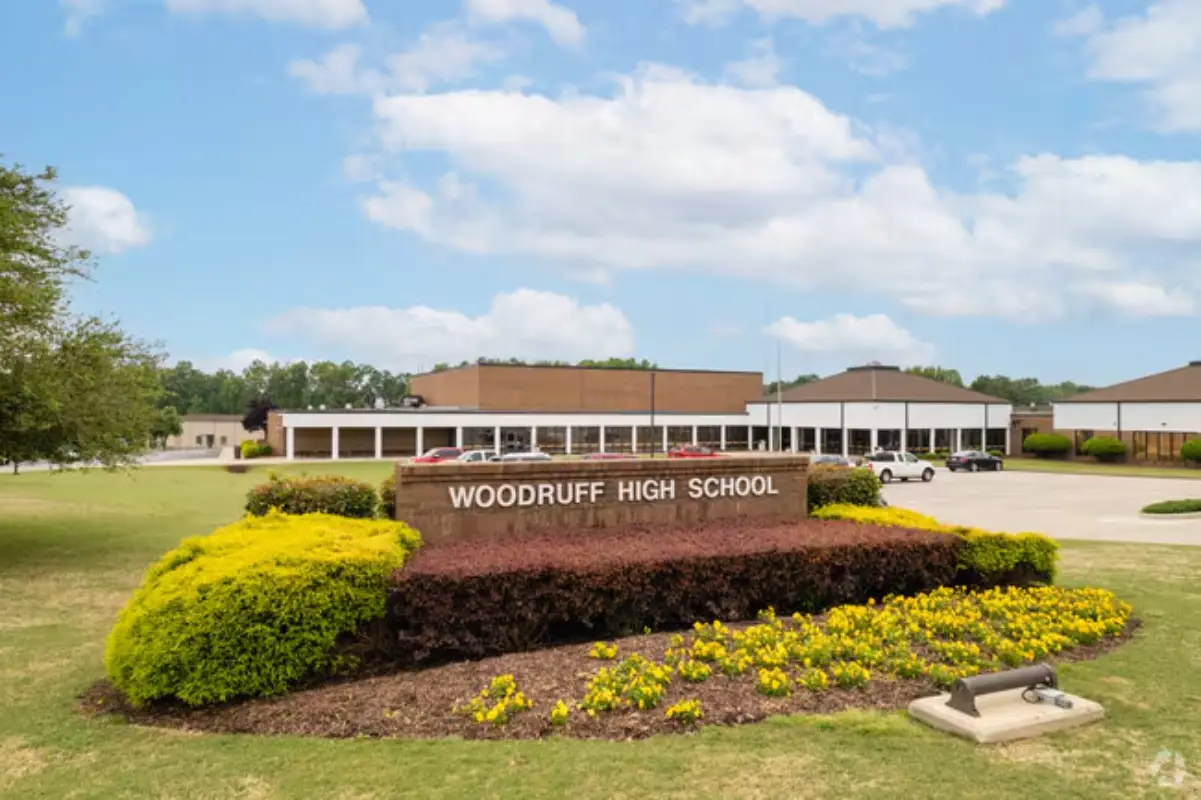
Woodruff is a small Spartanburg County community south of the city where US-221 and SC-101 carry commuter and commercial traffic through a rural-to-suburban corridor with limited road safety infrastructure.