

Moore is an unincorporated Spartanburg County community along the I-26 corridor where the Moore-Duncan Highway (SC-290) and I-26 generate both high-speed interstate crash risk and surface highway conflicts — a fast-growing area where road infrastructure has lagged behind residential and commercial development.
I-26 through the Moore area carries substantial freight and passenger vehicle traffic between Spartanburg and Columbia with the Exit 22 and Exit 19 interchanges generating merging and deceleration rear-end crashes as commercial trucks and passenger vehicles transition between interstate and local roads.
SC-290 (Moore-Duncan Highway) is the primary surface corridor in the Moore area, connecting Spartanburg to Duncan along a commercial and residential corridor that has seen rapid development; the road's original rural two-lane design now handles commuter and commercial volumes it was not built for, generating driveway conflicts and intersection crashes at multiple locations.
Moore's growth has outpaced road infrastructure improvements, with new residential developments generating additional traffic onto SC-290 and I-26 feeder roads without corresponding intersection upgrades or signal additions — increasing crash risk at residential access points to the main corridor.
As an unincorporated community, Moore has no city police department — Spartanburg County Sheriff's Office and SCHP handle all crash response in the area, which can mean longer response times on rural sections of the Moore road network compared to incorporated areas of Spartanburg County.
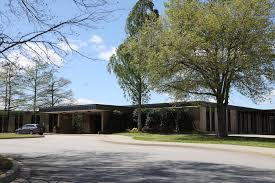
Moore is a fast-growing unincorporated Spartanburg County community along I-26 and SC-290 where development has outpaced road infrastructure — the Moore-Duncan Highway corridor handles commuter and commercial volumes it was not designed for, while I-26 generates high-speed interchange crash risk and the county covers crash response without a city police department.
Moore is an unincorporated Spartanburg County community between Spartanburg and Duncan, positioned along the I-26 corridor and served primarily by SC-290 (Moore-Duncan Highway). The area has experienced substantial residential and commercial growth in recent years, attracting development from the Spartanburg metro area to its accessible interstate location.
SC-290 through Moore was originally designed as a rural two-lane highway serving a lower-density corridor; current traffic volumes — particularly during morning and evening commute periods — far exceed original design intent, and the road's intersection design and sight distances were not calibrated for the driveway frequency and cross-street traffic now present. I-26 provides high-speed interstate access through the Moore area with interchange access at Exit 19 (SC-290) and Exit 22 (US-221); these interchange areas concentrate rear-end and merging crashes, particularly from commercial truck traffic transitioning between interstate and local speeds. Spartanburg County Sheriff's Office and SCHP handle all law enforcement and crash response in Moore, as the unincorporated community has no municipal police. Spartanburg Medical Center is approximately 12 miles north and serves as the primary acute-care and trauma resource for the Moore area.
Which roads and traffic conditions create the most risk in Moore?
SC-290 (Moore-Duncan Highway) through the Moore commercial and residential corridor and I-26 at Exits 19 and 22 carry the highest crash concentration — the surface highway's driveway and intersection conflicts from growth-driven volume increases and the interstate interchange merging and deceleration crashes are the dominant crash patterns.
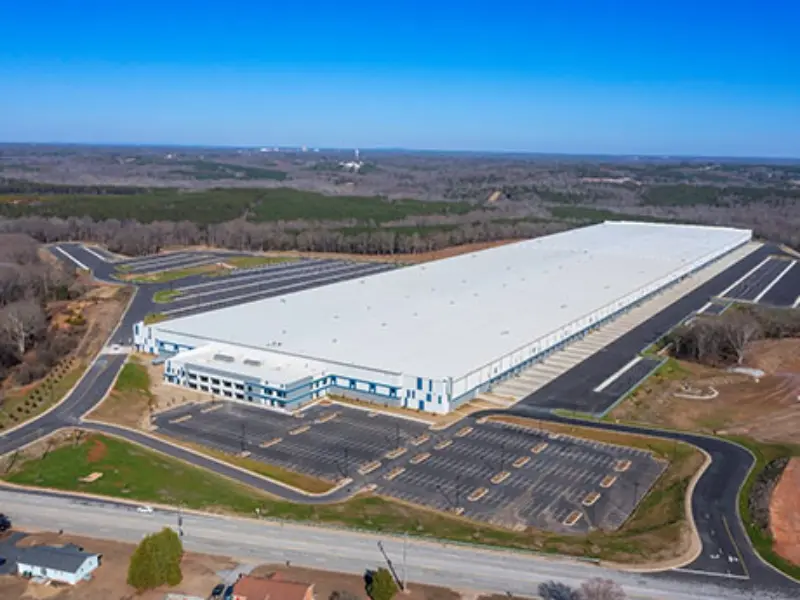
SC-290 (Moore-Duncan Highway) is the dominant crash corridor in the Moore area. The road's commercial section has accumulated numerous driveways and cross-street intersections that were added incrementally as development occurred, without corresponding intersection improvements or signal coordination. The result is a corridor with frequent gap-acceptance demands, left-turn conflicts from limited turning lanes, and rear-end crashes behind slowing or stopped vehicles at driveways and uncontrolled intersections. I
-26 at Exit 19 (SC-290) is the primary interchange serving Moore, where deceleration and acceleration on I-26 ramps creates rear-end and lane-change crash exposure for both commercial vehicles and passenger cars; this interchange area sees concentrated crash activity from the high volume of vehicles transitioning between I-26 and
SC-290. US-221 and SC-57 provide secondary surface connections in the Moore area; US-221 carries commercial and commuter traffic south toward Woodruff with two-lane rural character on its outskirt sections.
Major roads and corridors in Moore
SC-290 (Moore-Duncan Highway) — Moore's primary surface corridor; commercial and residential development has added driveway conflicts and intersection crashes to a road originally designed for rural volumes, creating a continuous crash exposure through the Moore corridor.
I-26 — The primary interstate through Moore; Exit 19 (SC-290) generates merging and deceleration rear-end crashes as commercial trucks and passenger vehicles transition between I-26 and the local road network.
US-221 — South connector from the Moore area toward Woodruff and Union County; rural two-lane sections with commercial vehicle traffic and at-grade intersections create following-distance and angle crash risk. SC-57 (Moore-Duncan Road) — Secondary connector providing alternate access between Moore and Duncan; rural sections with limited sight distance at residential and agricultural access points. Reidville Road (SC-296) — West connector toward Reidville and the I-85 corridor; growing commuter and residential traffic on a two-lane rural road creates driveway and intersection crash risk.
Dangerous intersections and congestion zones in Moore
I-26 Exit 19 ramps at SC-290 (Moore-Duncan Highway) — The primary Moore interchange where interstate traffic transitions to local speeds; rear-end crashes from commercial truck deceleration and merging conflicts from on-ramp acceleration are the dominant crash patterns at this high-volume interchange.
SC-290 at US-221 — Junction of Moore's two primary surface corridors; turning movements and cross-traffic conflicts from vehicles leaving or entering US-221 create angle and rear-end crash conditions on SC-290 through-traffic.
SC-290 at SC-57 — Secondary Moore junction where cross-corridor traffic intersects the main Moore-Duncan Highway; limited turning accommodations and gap-acceptance demands from cross-traffic create angle crash risk.
SC-290 at residential subdivision driveways — Multiple access points along the Moore-Duncan Highway commercial and residential corridor where vehicles pulling onto SC-290 from developments with limited sight distance create angle and rear-end crashes during peak commute periods.
Local Resources for Accident Victims in Moore
What should you do after a car accident in Moore?
After a Moore car accident: call 911, get medical care, document the scene, request the crash report from Spartanburg County Sheriff's Office or Spartanburg County Sheriff's Office, and avoid giving detailed insurance statements before speaking with an attorney about how South Carolina's comparative fault rules affect your claim.
1. Call 911. Spartanburg County Sheriff's Office handles crash response inside city limits. Spartanburg County Sheriff's Office responds in unincorporated Spartanburg areas. South Carolina Highway Patrol (SCHP) responds on state highways and interstates.
2. Seek medical care. Spartanburg Medical Center is the primary acute-care facility for the area. For serious trauma, Prisma Health Greenville Memorial Hospital (Level I) provides higher-level emergency resources.
3. Document the scene. Photograph vehicle damage, road conditions, traffic signals, skid marks, and injuries. SCDOT and commercial cameras along I-26 and SC-290 may have recorded the crash.
4. Collect witness and insurance information. Get names and phone numbers. Do not discuss fault at the scene.
5. Request the crash report. Spartanburg County Sheriff's Office crash reports can be requested through the department's records division. South Carolina Highway Patrol (SCHP) reports are available through their records division or SCDOT's online portal.
6. Be careful with insurance calls. Even under South Carolina's comparative fault system, early statements can be used to increase your assigned fault percentage and reduce your recovery.
7. Speak with a lawyer before settling. Your settlement should account for all medical costs, future treatment, lost income, and the long-term impact of your injuries.
Talk to a Moore car accident lawyer today
If you were injured in a Moore car accident, we can help you understand how South Carolina law applies to your claim, what your case may be worth, and how to protect your rights through the insurance process.
Frequently asked questions
What should I do immediately after a car accident in Moore?
Call 911, get medical care, photograph the scene, collect witness information, and request the crash report from Spartanburg County Sheriff's Office or South Carolina Highway Patrol (SCHP). Be careful with early statements to insurance companies — your words about fault matter under South Carolina law.
Which roads in Moore have the highest crash risk?
SC-290 (Moore-Duncan Highway) through the Moore commercial and residential corridor and I-26 at Exits 19 and 22 carry the highest crash concentration — the surface highway's driveway and intersection conflicts from growth-driven volume increases and the interstate interchange merging and deceleration crashes are the dominant crash patterns.
How do I get a crash report after a Moore accident?
Spartanburg County Sheriff's Office crash reports can be requested through the department's records division. For crashes on state highways investigated by South Carolina Highway Patrol (SCHP), reports are available through SCDOT's online crash report portal or through South Carolina Highway Patrol (SCHP) records. Allow a few days after the crash before requesting.
Where should I go for emergency medical care after a serious Moore crash?
Spartanburg Medical Center provides emergency and acute care for crash victims in the Moore area. For the most serious trauma requiring Level I resources, Prisma Health Greenville Memorial Hospital (Level I) is accessible for critical cases.
How does South Carolina's fault system affect my Moore car accident claim?
South Carolina follows a modified comparative fault system under SC Code Ann. § 15-38-15. Unlike the contributory negligence rule used in a small number of states — where being even slightly at fault can bar all recovery — South Carolina allows injured people to recover as long as they are 51% or less responsible for the crash. Your recovery is reduced proportionally by your percentage of fault. This means handling fault carefully still matters in a Moore accident case — reducing your assigned fault percentage directly increases your potential recovery.