Your Washington Personal Injury Lawyer

If you were injured in a Washington car accident, early action can significantly impact your recovery.

Serving Injury Victims Across Washington

Each region has its own risks and legal considerations.

Washington Car Accident Trends and Risk Factors

Washington sees a high number of serious motor vehicle collisions each year, particularly in dense urban areas and along major interstate corridors. Traffic congestion, weather conditions, and high-speed travel contribute to crash severity.

High-risk areas include:

  • I-5 corridor (Seattle, Tacoma, Everett)
  • I-90 (Seattle to Spokane)
  • SR-520 and I-405 (Puget Sound region)

Weather also plays a role. Rain, fog, and seasonal conditions can increase accident risk, particularly in western Washington. Eastern Washington sees higher-speed rural crashes, which often result in more severe injuries.

How Fault Works in Washington (Pure Comparative Negligence)

Washington follows a pure comparative negligence system.

This means:

  • You can recover compensation even if you are partially at fault
  • Your recovery is reduced by your percentage of fault

Example:

  • Case value = $100,000
  • You are 30% at fault
    πŸ‘‰ You recover $70,000

Even if you are more than 50% at fault, you may still recover a portion of your damages.

πŸ‘‰ This is a major advantage compared to states like North Carolina

However:

  • Insurance companies often try to increase your percentage of fault
  • Small shifts in fault can significantly reduce your recovery

πŸ‘‰ Early investigation and strong case positioning are critical

Insurance Coverage in Washington

Washington requires:

  • $25,000 per person (bodily injury)
  • $50,000 per accident
  • $10,000 property damage

Personal Injury Protection (PIP):

  • Must be offered
  • Can be declined

PIP can help cover:

  • medical expenses
  • lost wages
  • essential services

πŸ‘‰ Regardless of fault

However:

  • Many drivers carry only minimum coverage
  • Serious injuries often exceed available limits

πŸ‘‰ Identifying additional coverage is critical:

  • UM/UIM policies
  • umbrella coverage
  • employer liability

Policy Limit Reality in Washington

Washington does not guarantee early policy limit disclosure in all cases.

This means:

  • You may not immediately know available coverage
  • Strategy must be built carefully
  • Investigation is essential

πŸ‘‰ A strong legal approach focuses on uncovering:

  • multiple policies
  • stacked coverage
  • third-party liability

Punitive Damages in Washington (Key Difference)

Washington generally does NOT allow punitive damages.

This means:

  • You cannot recover additional damages to punish the at-fault party
  • Compensation is limited to actual losses

πŸ‘‰ Because of this:

  • maximizing compensatory damages is critical
  • identifying all insurance coverage is essential

Collateral Source Rule (Simple Explanation)

Washington follows the collateral source rule.

In plain English:

πŸ‘‰ The at-fault driver does NOT get a discount
πŸ‘‰ just because your insurance paid your bills

Example:

  • Medical bill = $20,000
  • Insurance pays = $12,000

πŸ‘‰ Your case still reflects the full impact of the injury

However:

  • reimbursement (subrogation) may apply
  • liens must be handled properly

Minor Settlements in Washington

When a child is injured:

  • Court approval is typically required
  • Funds are placed in protected accounts or structured settlements

This ensures the child’s long-term financial protection.

How Washington Law Affects Your Case

Washington cases are influenced by:

  • shared fault
  • insurance limits
  • lack of punitive damages

πŸ‘‰ Unlike strict states:

  • you can still recover even if partially at fault

πŸ‘‰ But:

  • your recovery can be reduced significantly

This makes:

  • fault strategy
  • damage documentation
  • coverage discovery

the key drivers of case value

‍

State Specific Blogs and Articles

No items found.

Find Out How We Can Handle Your Case

Whether we represent you directly, work with local counsel, or connect you with a trusted attorney, we will guide you to the right next step.

Frequently Asked Questions About Washington Accidents

1

What should I do immediately after a car accident in Washington?

Call 911, check for injuries, and move to a safe location if possible. Exchange information with the other driver and take photos of the scene, including damage and road conditions.

Seek medical care right away. Even if symptoms seem minor, documentation is important for both your health and your claim.

2

Is Washington a no-fault state?

No. Washington is an at-fault state, meaning the driver who caused the accident is responsible for damages.

However, many drivers carry PIP coverage, which can pay for initial medical expenses regardless of fault.

3

Can I recover compensation if I was partially at fault?

Yes. Washington follows a pure comparative negligence system.

You can recover compensation even if you were partially at fault, but your recovery will be reduced by your percentage of fault.

4

What if I was mostly at fault for the accident?

You may still recover compensation.

Even if you are more than 50% at fault, Washington law allows you to recover a portion of your damages based on the other party’s share of fault.

5

What if the other driver does not have insurance?

Your uninsured motorist (UM) coverage may apply.

This coverage can help pay for your injuries when the at-fault driver does not have insurance.

6

What if the other driver does not have enough insurance?

Your underinsured motorist (UIM) coverage may help cover the difference between the at-fault driver’s policy and your total damages.

7

How much is my Washington car accident case worth?

The value depends on:

  • medical expenses
  • lost wages
  • severity of injuries
  • long-term impact
  • available insurance

πŸ‘‰ Because punitive damages are not allowed, your actual losses are critical.

8

What if the other driver does not have enough insurance?

Your underinsured motorist (UIM) coverage may help cover the difference between the at-fault driver’s policy and your total damages.

9

Should I talk to the insurance company after an accident?

Be cautious.

Insurance adjusters may try to:

  • reduce your claim
  • shift fault onto you

It is best to understand your rights before giving recorded statements.

10

What damages can I recover in Washington?

You may recover:

  • medical expenses
  • lost wages
  • future medical care
  • pain and suffering
11

What if I start feeling pain days after the accident?

This is common.

Many injuries develop over time. Seek medical care immediately if symptoms appear.

12

What happens in a multi-vehicle accident?

Fault may be shared among multiple drivers.

Insurance companies often try to shift blame, making these cases more complex.

13

What if the accident involved a commercial vehicle?

Commercial vehicle cases often involve:

  • larger insurance policies
  • multiple liable parties

These cases require detailed investigation.

14

Do I need a lawyer for a Washington car accident?

You are not required to have a lawyer, but having one can make a significant difference.

A lawyer can help:

  • protect your claim
  • handle insurance negotiations
  • maximize recovery
15

How can a Washington personal injury lawyer help me?

A lawyer can:

  • investigate the accident
  • gather evidence
  • identify all available insurance
  • negotiate for full compensation

Your Washington Personal Injury Lawyer

If you were injured in a Washington car accident, early action can significantly impact your recovery.

Start of Free Case Review

Washington Car Accident Trends and Risk Factors

Washington sees a high number of serious motor vehicle collisions each year, particularly in dense urban areas and along major interstate corridors. Traffic congestion, weather conditions, and high-speed travel contribute to crash severity.

High-risk areas include:

  • I-5 corridor (Seattle, Tacoma, Everett)
  • I-90 (Seattle to Spokane)
  • SR-520 and I-405 (Puget Sound region)

Weather also plays a role. Rain, fog, and seasonal conditions can increase accident risk, particularly in western Washington. Eastern Washington sees higher-speed rural crashes, which often result in more severe injuries.

How Fault Works in Washington (Pure Comparative Negligence)

Washington follows a pure comparative negligence system.

This means:

  • You can recover compensation even if you are partially at fault
  • Your recovery is reduced by your percentage of fault

Example:

  • Case value = $100,000
  • You are 30% at fault
    πŸ‘‰ You recover $70,000

Even if you are more than 50% at fault, you may still recover a portion of your damages.

πŸ‘‰ This is a major advantage compared to states like North Carolina

However:

  • Insurance companies often try to increase your percentage of fault
  • Small shifts in fault can significantly reduce your recovery

πŸ‘‰ Early investigation and strong case positioning are critical

Insurance Coverage in Washington

Washington requires:

  • $25,000 per person (bodily injury)
  • $50,000 per accident
  • $10,000 property damage

Personal Injury Protection (PIP):

  • Must be offered
  • Can be declined

PIP can help cover:

  • medical expenses
  • lost wages
  • essential services

πŸ‘‰ Regardless of fault

However:

  • Many drivers carry only minimum coverage
  • Serious injuries often exceed available limits

πŸ‘‰ Identifying additional coverage is critical:

  • UM/UIM policies
  • umbrella coverage
  • employer liability

Policy Limit Reality in Washington

Washington does not guarantee early policy limit disclosure in all cases.

This means:

  • You may not immediately know available coverage
  • Strategy must be built carefully
  • Investigation is essential

πŸ‘‰ A strong legal approach focuses on uncovering:

  • multiple policies
  • stacked coverage
  • third-party liability

Punitive Damages in Washington (Key Difference)

Washington generally does NOT allow punitive damages.

This means:

  • You cannot recover additional damages to punish the at-fault party
  • Compensation is limited to actual losses

πŸ‘‰ Because of this:

  • maximizing compensatory damages is critical
  • identifying all insurance coverage is essential

Collateral Source Rule (Simple Explanation)

Washington follows the collateral source rule.

In plain English:

πŸ‘‰ The at-fault driver does NOT get a discount
πŸ‘‰ just because your insurance paid your bills

Example:

  • Medical bill = $20,000
  • Insurance pays = $12,000

πŸ‘‰ Your case still reflects the full impact of the injury

However:

  • reimbursement (subrogation) may apply
  • liens must be handled properly

Minor Settlements in Washington

When a child is injured:

  • Court approval is typically required
  • Funds are placed in protected accounts or structured settlements

This ensures the child’s long-term financial protection.

How Washington Law Affects Your Case

Washington cases are influenced by:

  • shared fault
  • insurance limits
  • lack of punitive damages

πŸ‘‰ Unlike strict states:

  • you can still recover even if partially at fault

πŸ‘‰ But:

  • your recovery can be reduced significantly

This makes:

  • fault strategy
  • damage documentation
  • coverage discovery

the key drivers of case value
‍

Serving Injury Victims Across Washington

Each region has its own risks and legal considerations.

Washington

Upstate Region

Western Arizona and the Colorado River Corridor presents a personal injury environment unlike any other region in the state, defined by the interaction between geography, seasonal population extremes, and the specific behaviors that border commerce, agricultural labor, casino culture, and Colorado River recreation produce in combination. Yuma's winter transformation is one of the most dramatic in any American city. A city of roughly 100,000 permanent residents swells with hundreds of thousands of winter visitors between October and March, while simultaneously reaching peak agricultural production that fills its roads with farm equipment, produce transport, and migrant labor vehicles. The insurance and liability picture is complex with agricultural vehicles, cross-border commercial trucks, military vehicles, and private passenger cars from across the country all sharing the same road network at peak season. US-93's crash history between Kingman and Nevada is a genuine public safety story. This highway is dangerous because it carries Las Vegas-bound traffic on a two-lane road that cannot safely accommodate the volume. Impatient passing attempts have produced fatal head-on crashes at closing speeds that leave no possibility of survivable outcomes. Bullhead City and Lake Havasu City's casino and recreation culture creates a DUI crash concentration among the highest in Arizona outside of major metro entertainment districts. When visitors cross from Laughlin's casinos back into Arizona on AZ-95 or AZ-68, the DUI crash risk on those routes is elevated and the insurance claims that result require careful investigation of the full circumstances.

The Upstate is one of South Carolina’s fastest-growing regions, with heavy traffic along Interstate 85, Interstate 385, and Interstate 26 contributing to a high volume of serious car and truck accidents. From Greenville to Spartanburg and surrounding communities, injury cases often involve congested corridors, commercial trucking routes, and rapidly expanding suburban roadways. Biazzo Injury Law is proud to represent accident victims throughout the Upstate Region of South Carolina and help them pursue the compensation they deserve. The Upstate encompasses a diverse mix of urban centers, growing suburbs, and rural communities, including Greenville, Spartanburg, Anderson, Easley, Greer, Simpsonville, Mauldin, Travelers Rest, Duncan, Boiling Springs, and many other towns throughout the region. As new residents and businesses continue to relocate to the area, traffic congestion has increased on major roadways such as Woodruff Road, Wade Hampton Boulevard, Laurens Road, Highway 123, Highway 29, and Interstate 85. These heavily traveled corridors frequently see collisions involving passenger vehicles, commercial trucks, motorcycles, and pedestrians. The region is also a major economic hub for South Carolina, home to large employers in manufacturing, healthcare, logistics, and distribution. The constant movement of commercial vehicles traveling to and from industrial facilities, warehouses, and distribution centers contributes to a significant number of trucking and commercial vehicle accidents each year. In addition, popular destinations such as downtown Greenville, Falls Park on the Reedy, Bon Secours Wellness Arena, Clemson University, and numerous shopping and entertainment districts generate substantial traffic throughout the region. Whether an accident occurs on a busy interstate, a crowded city street, or a rural highway, injured victims often face mounting medical bills, lost income, and uncertainty about their future. Biazzo Injury Law represents individuals and families throughout the Upstate who have been harmed by negligent drivers, unsafe property conditions, and other acts of negligence. Our goal is to help injury victims understand their rights, navigate the insurance claims process, and pursue the financial recovery they need to move forward after a serious accident.

South Carolina - Upstate Region

A fast-growing region in the northwest part of the county knownen for heavy I-85 traffic and strong economic growth, anchored by major cities like Greenville, Spartanburg, and Anderson.

Washington

Midlands Region

South Carolina - Midlands Region

The central hub of the state centered around the capital, with major highway intersections and steady commuter traffic in Columbia, Lexington, and Sumter.

Washington
Historic Lowcountry Region
South Carolina - Historic Lowcountry Region

A dense coastal region driven by tourism and port activity, with significant congestion and crash volume in Charleston, North Charleston, and Mount Pleasant.

Washington
Pee Dee Region
South Carolina - Pee Dee Region

The Pee Dee region and its key cities such as Florance, Hartsville, and Darlington are known for long highway stretches and trucking routes, where higher speeds often lead to more serious crashes.

Washington
Grand Strand Region
South Carolina - Grand Strand Region

With millions of visitors each year, the Myrtle Beach area sees heavy seasonal traffic and accidents involving both locals and out-of-state drivers.

Washington
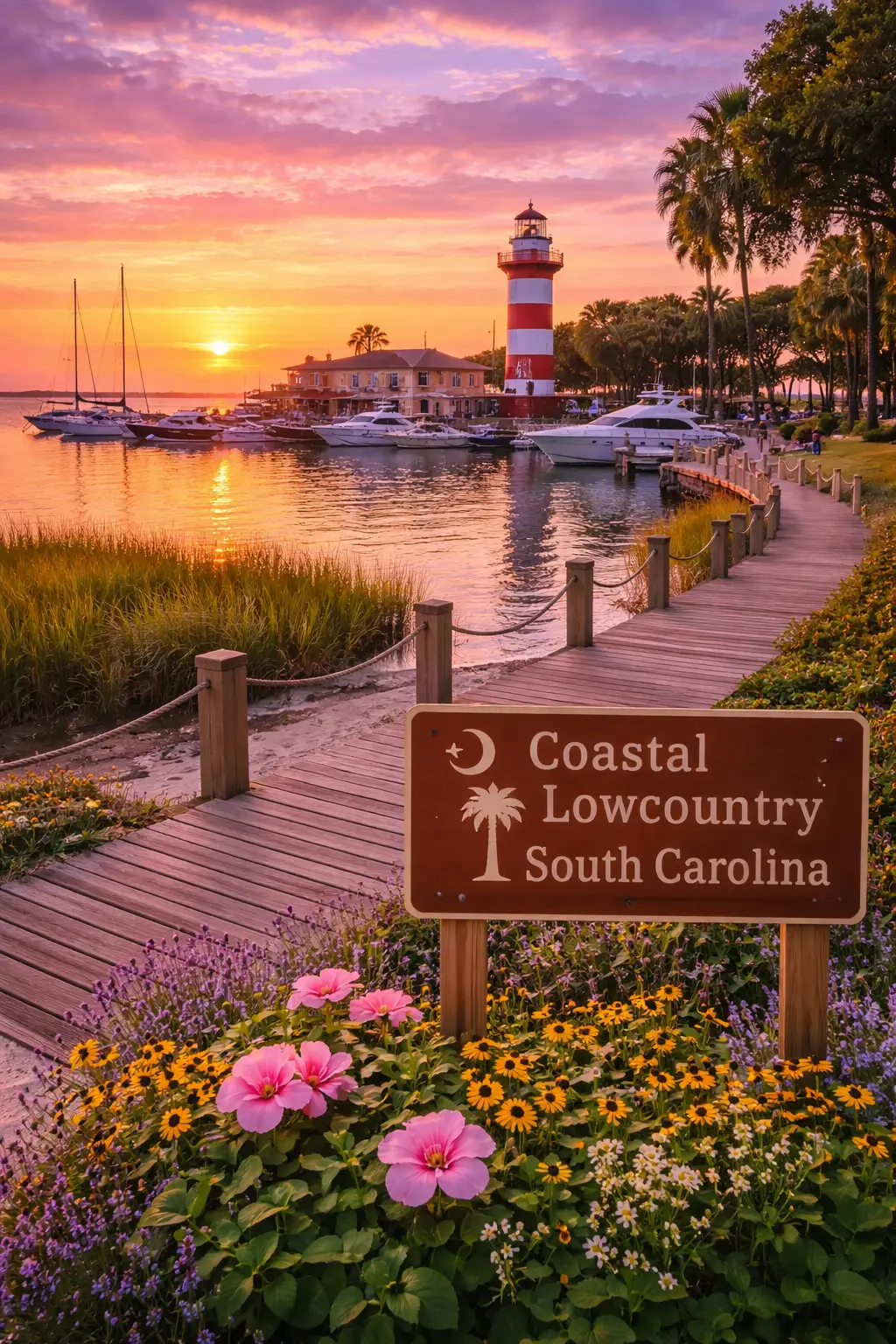
Costal Lowcountry Region
South Carolina - Costal Lowcountry Region

This coastal region of South Carolina's Lowcountry continues to grow quickly, with increasing traffic around Hilton Head, Beaufort, and Bluffton leading to more accidents each year..

Frequently Asked Questions About Washington Accidents

What should I do immediately after a car accident in Washington?

Call 911, check for injuries, and move to a safe location if possible. Exchange information with the other driver and take photos of the scene, including damage and road conditions.

Seek medical care right away. Even if symptoms seem minor, documentation is important for both your health and your claim.