
Biazzo Injury Law Serves Injury Victims Across South Carolina




Find Out How We Can Handle Your Case
Whether we represent you directly, work with local counsel, or connect you with a trusted attorney, we will guide you to the right next step.

Whether we represent you directly, work with local counsel, or connect you with a trusted attorney, we will guide you to the right next step.
Biazzo Injury Law is a brand name and division of Biazzo Law, PLLC. Legal services are provided through Biazzo Law, PLLC, and, where appropriate, in association with locally licensed co-counsel or affiliated attorneys. Some matters outside the firm's licensed jurisdictions handled through co-counsel relationships with attorneys admitted in those states. | This website is for informational purposes only and does not constitute legal advice. Viewing this website or contacting the firm does not create an attorney-client relationship. Do not send confidential or time-sensitive information through this website until an attorney-client relationship has been formally established. | Prior results do not guarantee a similar outcome. Every case is different and must be evaluated on its own facts and applicable law. | © 2026 Biazzo Law, PLLC. All rights reserved.
If you were injured in a South Carolina car accident, early action can significantly impact your recovery.
Start of Free Case ReviewSouth Carolina follows a modified comparative negligence rule. This means you can recover compensation as long as you are less than 51% at fault for the accident. However, your recovery is reduced by your percentage of fault.
For example, if you are found to be 20% at fault, your total recovery would be reduced by 20%. Insurance companies often try to shift blame onto injured drivers to reduce what they have to pay, which makes early investigation and evidence preservation extremely important.
South Carolina requires minimum auto insurance coverage of:
The state also requires uninsured motorist coverage, and many drivers carry underinsured motorist coverage.
Because many drivers carry only minimum limits and a significant number of drivers are uninsured, identifying all available insurance coverage is critical. This can include multiple vehicle policies, umbrella policies, or employer coverage depending on the facts of the case.
Example: If you have $50,000 in medical bills and the at-fault driver only carries a $25,000 policy, their insurance may not fully cover your damages. In that situation, your own underinsured motorist coverage may apply.
This makes early investigation of coverage critical, and it is important to have a confident attorney who can explore every available avenue of recovery.
Yes, punitive damages are available in South Carolina in cases involving reckless, willful, or intentional conduct, such as drunk driving. In many cases, punitive damages can significantly increase the value of a claim.
Importantly, in some situations, insurance policies may cover punitive damages. This can create additional opportunities to recover compensation beyond the standard bodily injury limits. A skilled attorney can identify these opportunities and pursue additional recovery where available.
No, not automatically. South Carolina follows what is known as the collateral source rule. In simple terms, this means the person who caused the accident does not get a discount just because your health insurance helped pay your medical bills.
For example, if your medical bills were $20,000 but your insurance paid reduced them to only $2,000.00 balance, the at-fault party is still responsible for the full $20,00.00 in medical bills related to your injuries.ur
This is important because it can significantly increase the value of your case compared to states where only the reduced amount is considered.
When a minor is injured, settlements typically require court approval. In many cases, a conservator may need to be appointed to manage the funds.
Settlement proceeds are often placed into a restricted account until the child turns 18. Proper handling ensures compliance with state law and protects the child’s financial interests.
Regions of the State We Serve

Western Arizona and the Colorado River Corridor presents a personal injury environment unlike any other region in the state, defined by the interaction between geography, seasonal population extremes, and the specific behaviors that border commerce, agricultural labor, casino culture, and Colorado River recreation produce in combination. Yuma's winter transformation is one of the most dramatic in any American city. A city of roughly 100,000 permanent residents swells with hundreds of thousands of winter visitors between October and March, while simultaneously reaching peak agricultural production that fills its roads with farm equipment, produce transport, and migrant labor vehicles. The insurance and liability picture is complex with agricultural vehicles, cross-border commercial trucks, military vehicles, and private passenger cars from across the country all sharing the same road network at peak season. US-93's crash history between Kingman and Nevada is a genuine public safety story. This highway is dangerous because it carries Las Vegas-bound traffic on a two-lane road that cannot safely accommodate the volume. Impatient passing attempts have produced fatal head-on crashes at closing speeds that leave no possibility of survivable outcomes. Bullhead City and Lake Havasu City's casino and recreation culture creates a DUI crash concentration among the highest in Arizona outside of major metro entertainment districts. When visitors cross from Laughlin's casinos back into Arizona on AZ-95 or AZ-68, the DUI crash risk on those routes is elevated and the insurance claims that result require careful investigation of the full circumstances.
The Upstate is one of South Carolina’s fastest-growing regions, with heavy traffic along Interstate 85, Interstate 385, and Interstate 26 contributing to a high volume of serious car and truck accidents. From Greenville to Spartanburg and surrounding communities, injury cases often involve congested corridors, commercial trucking routes, and rapidly expanding suburban roadways. Biazzo Injury Law is proud to represent accident victims throughout the Upstate Region of South Carolina and help them pursue the compensation they deserve. The Upstate encompasses a diverse mix of urban centers, growing suburbs, and rural communities, including Greenville, Spartanburg, Anderson, Easley, Greer, Simpsonville, Mauldin, Travelers Rest, Duncan, Boiling Springs, and many other towns throughout the region. As new residents and businesses continue to relocate to the area, traffic congestion has increased on major roadways such as Woodruff Road, Wade Hampton Boulevard, Laurens Road, Highway 123, Highway 29, and Interstate 85. These heavily traveled corridors frequently see collisions involving passenger vehicles, commercial trucks, motorcycles, and pedestrians. The region is also a major economic hub for South Carolina, home to large employers in manufacturing, healthcare, logistics, and distribution. The constant movement of commercial vehicles traveling to and from industrial facilities, warehouses, and distribution centers contributes to a significant number of trucking and commercial vehicle accidents each year. In addition, popular destinations such as downtown Greenville, Falls Park on the Reedy, Bon Secours Wellness Arena, Clemson University, and numerous shopping and entertainment districts generate substantial traffic throughout the region. Whether an accident occurs on a busy interstate, a crowded city street, or a rural highway, injured victims often face mounting medical bills, lost income, and uncertainty about their future. Biazzo Injury Law represents individuals and families throughout the Upstate who have been harmed by negligent drivers, unsafe property conditions, and other acts of negligence. Our goal is to help injury victims understand their rights, navigate the insurance claims process, and pursue the financial recovery they need to move forward after a serious accident.

A fast-growing region in the northwest part of the county knownen for heavy I-85 traffic and strong economic growth, anchored by major cities like Greenville, Spartanburg, and Anderson.

The central hub of the state centered around the capital, with major highway intersections and steady commuter traffic in Columbia, Lexington, and Sumter.
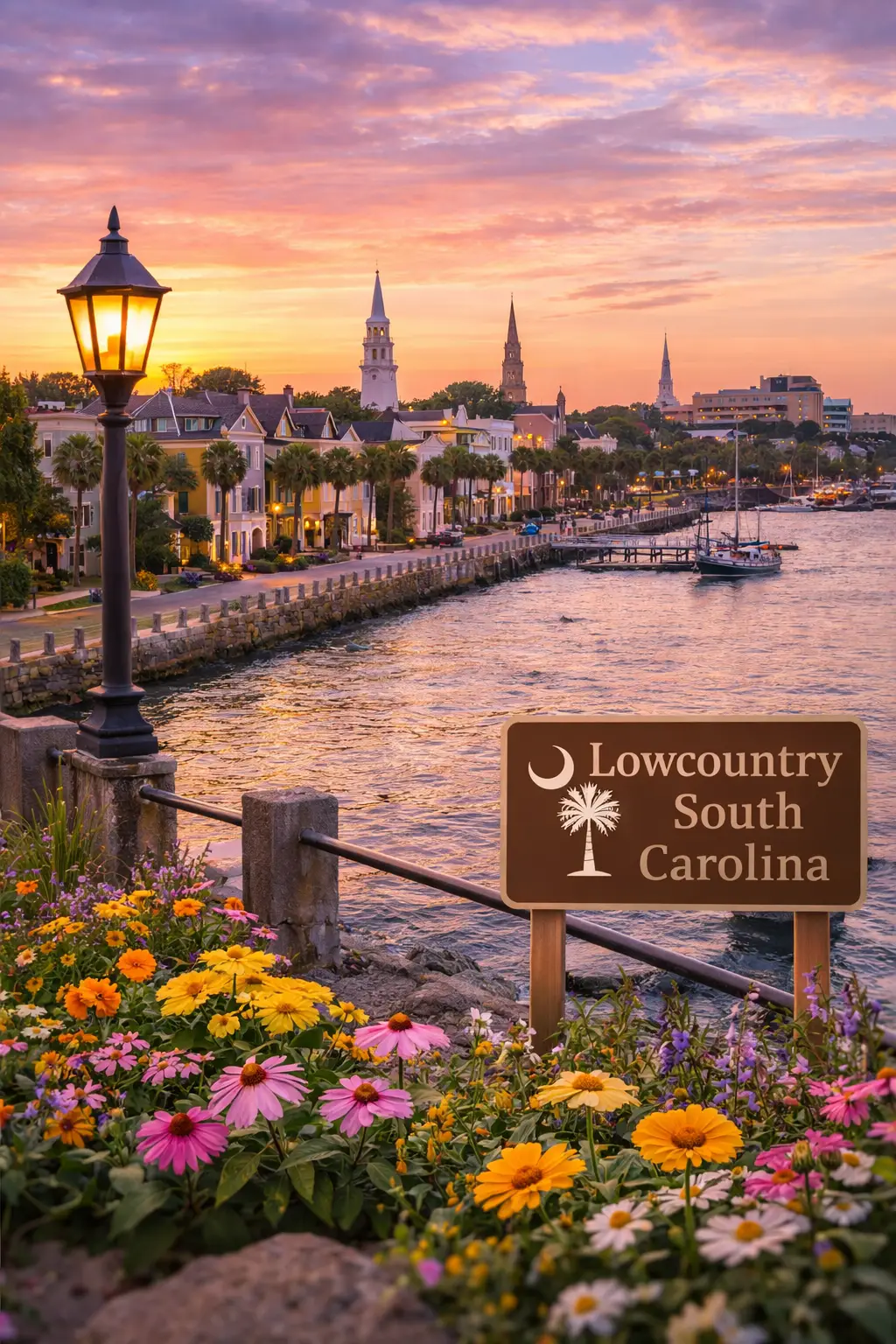
A dense coastal region driven by tourism and port activity, with significant congestion and crash volume in Charleston, North Charleston, and Mount Pleasant.

The Pee Dee region and its key cities such as Florance, Hartsville, and Darlington are known for long highway stretches and trucking routes, where higher speeds often lead to more serious crashes.

With millions of visitors each year, the Myrtle Beach area sees heavy seasonal traffic and accidents involving both locals and out-of-state drivers.
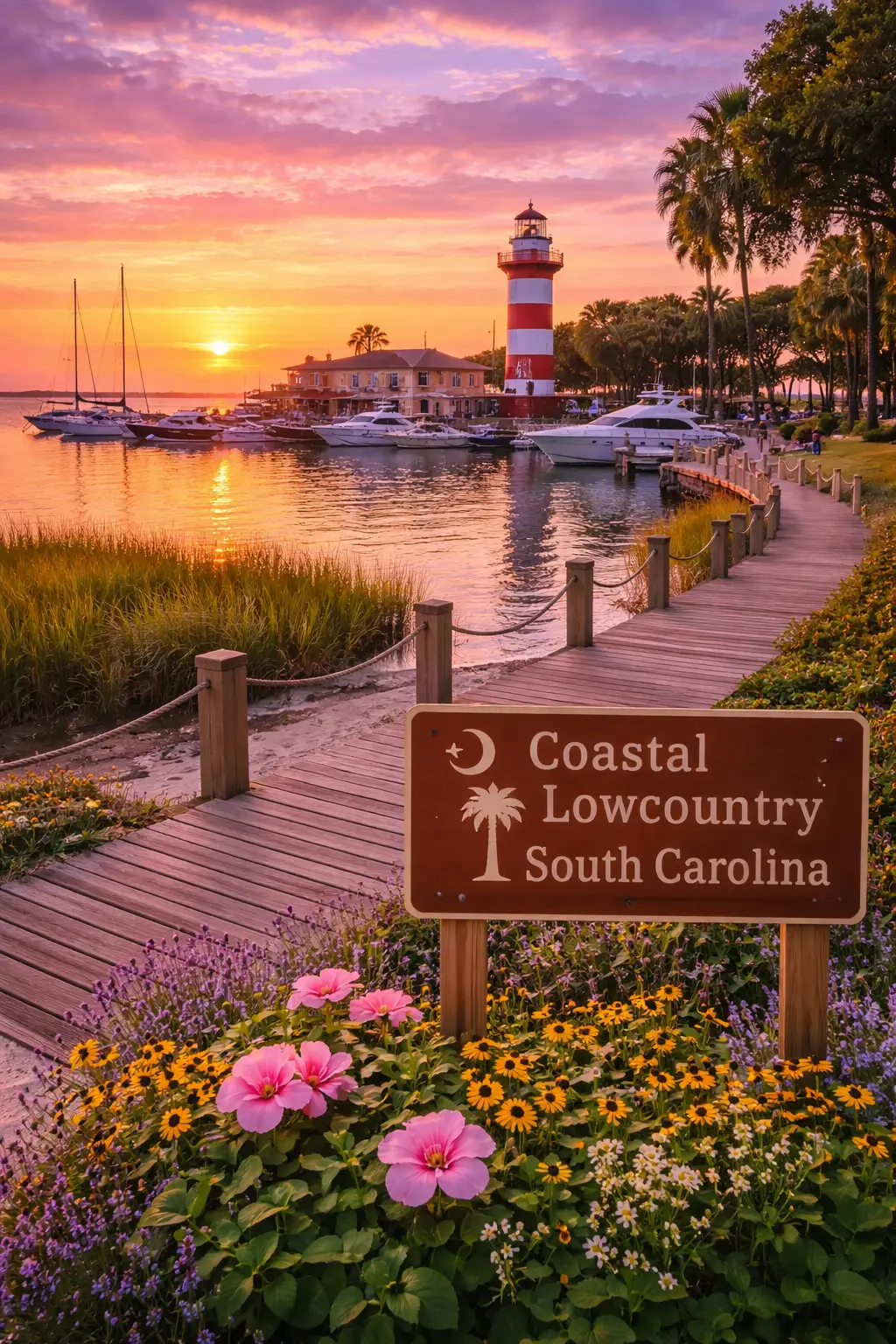
This coastal region of South Carolina's Lowcountry continues to grow quickly, with increasing traffic around Hilton Head, Beaufort, and Bluffton leading to more accidents each year..
After a car accident, your safety should come first. Call 911, check for injuries, and move to a safe area if you can. Exchange information with the other driver, including insurance details, and take photos of the vehicles, road conditions, and any visible injuries. If there are witnesses, try to get their contact information.
It is also important to seek medical care as soon as possible, even if you feel okay. Some injuries do not show symptoms right away. Before speaking with the insurance company or accepting any settlement, it is wise to understand your rights and make sure your case is being properly protected.


