
Hit and Run Accidents
Hit and run accidents are uniquely distressing events. In these cases, the at-fault driver leaves the scene without providing identification or rendering aid—often leaving injured victims without immediate answers or accountability. Each year, thousands of collisions nationwide involve a fleeing driver, and many result in serious injury or fatality. Beyond the physical harm, victims are left with uncertainty, frustration, and a sense of injustice.
These crashes frequently occur at night, in parking lots, at intersections, or in pedestrian-heavy areas. In some situations, the fleeing driver is impaired, uninsured, driving a stolen vehicle, or attempting to avoid arrest. Regardless of the reason, leaving the scene compounds the harm and can significantly complicate the recovery process.
Hit and run cases differ from standard auto accident claims because liability is not immediately established. When the driver cannot be identified, recovery often depends on uninsured motorist (UM) coverage. Many injured individuals are unaware that their own policy may provide compensation when the at-fault driver cannot be located. Understanding policy language, notice requirements, and coverage stacking becomes critical.
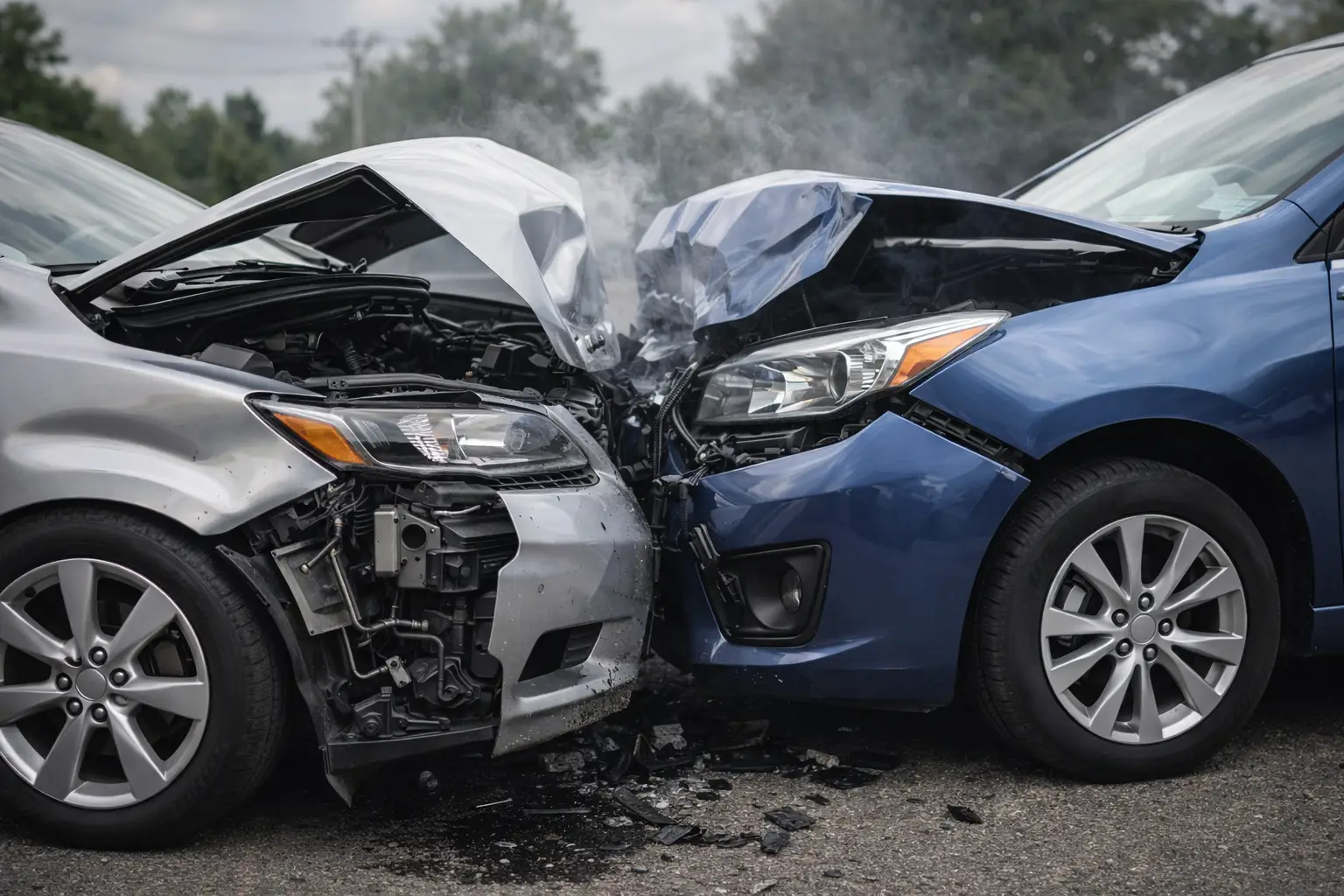
Evidence preservation is also more urgent in these cases. Surveillance footage from nearby businesses, traffic cameras, vehicle debris patterns, paint transfer, and witness statements can quickly disappear. Early investigative action can make the difference between identifying the driver and losing that opportunity permanently.
In addition, insurance carriers sometimes treat hit and run claims with heightened scrutiny. Because the claim may be presented under the injured person’s own UM coverage, insurers may require corroboration, independent verification, or strict compliance with reporting requirements. A delay in reporting or incomplete documentation can be used to challenge coverage.
When the fleeing driver is later identified, additional claims may arise, including potential punitive damages depending on the circumstances. In some cases, third-party liability may also exist if the crash involved a commercial vehicle or occurred in a setting with negligent security or roadway defects.
At Biazzo Injury Law, we approach hit and run cases with urgency and strategic depth. We immediately work to secure police reports, canvass for surveillance footage, and evaluate potential witnesses. We analyze all available insurance layers—including uninsured and underinsured motorist coverage—to ensure no available source of compensation is overlooked.
Our technology-driven systems allow us to track investigative leads, document evidence quickly, and coordinate with experts when necessary. We prepare these cases with the same seriousness as any major collision file—because insurance carriers evaluate them based on preparedness and leverage.
Unlike firms that treat hit and run claims as limited-policy cases, we view them as complex coverage and investigation matters that require early strategy. Through disciplined case building, proactive evidence preservation, and aggressive insurance analysis, Biazzo Injury Law is uniquely positioned to pursue meaningful recovery—even when the at-fault driver attempts to avoid responsibility.


