
Trucking Accidents
Trucking accidents are among the most catastrophic cases on the road. When an 80,000-pound tractor-trailer collides with a passenger vehicle, the physics alone create devastating consequences. National transportation data consistently shows that crashes involving large commercial trucks result in a disproportionate number of severe injuries and fatalities compared to other vehicle collisions. These are not routine cases—they are high-stakes, complex litigation matters.
Common causes of trucking crashes include driver fatigue, distracted driving, improper lane changes, speeding, overloaded trailers, inadequate maintenance, and failure to comply with federal safety regulations. Commercial drivers and carriers operate under strict rules governing hours of service, inspection requirements, and training standards. When those rules are violated, the risk to the public increases dramatically.
Second, liability often extends beyond the driver. The trucking company, trailer owner, maintenance contractor, freight broker, or shipper may share responsibility depending on the circumstances. Identifying all potentially liable parties early can significantly affect available insurance coverage and overall case value.
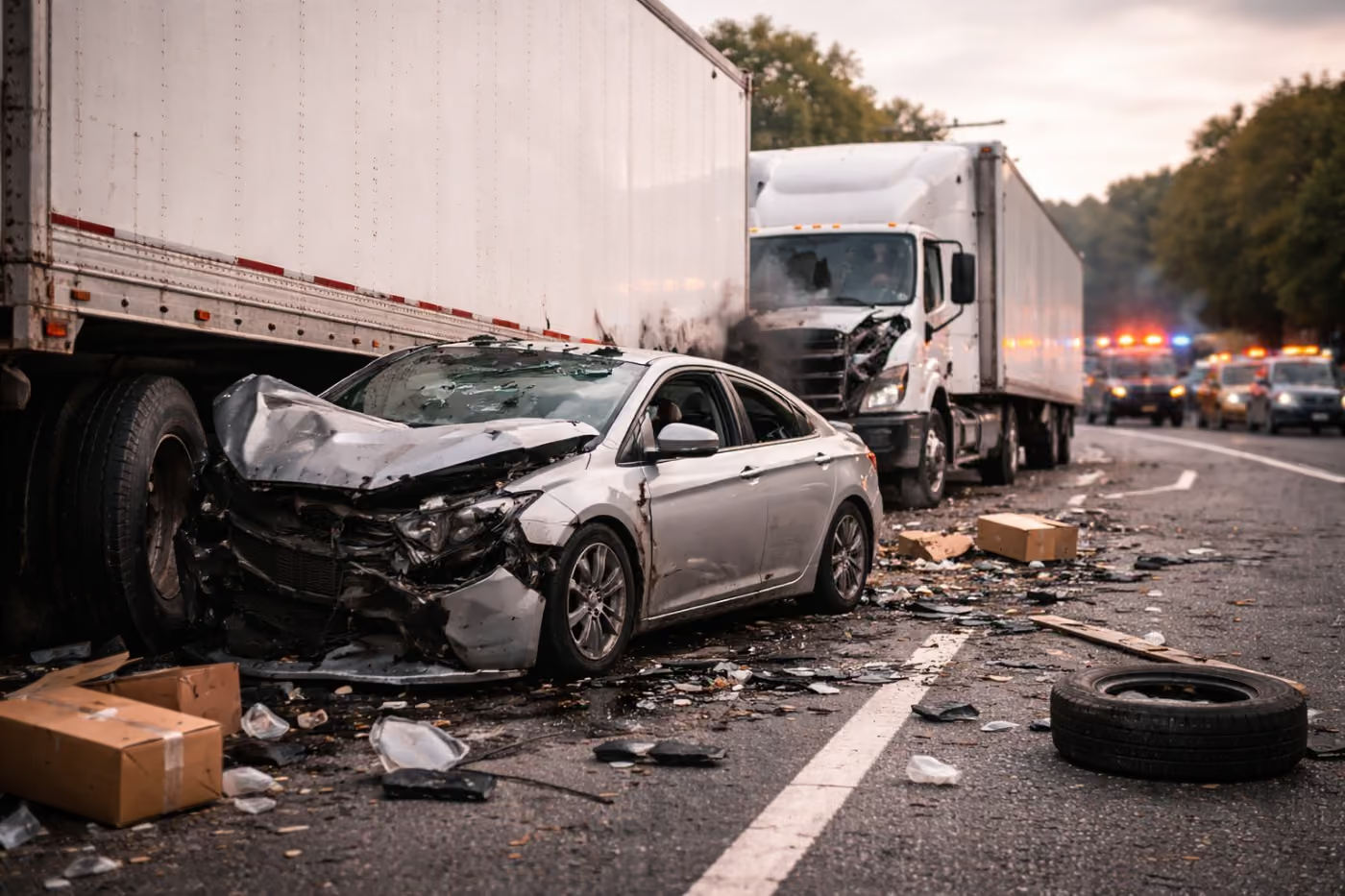
Trucking cases differ from standard car accident claims in several critical ways. First, they are heavily regulated at the federal level. Electronic logging devices (ELDs), black box data, maintenance records, dispatch communications, and driver qualification files can all become central pieces of evidence. Securing this information quickly is essential, as it may otherwise be altered, overwritten, or lost.
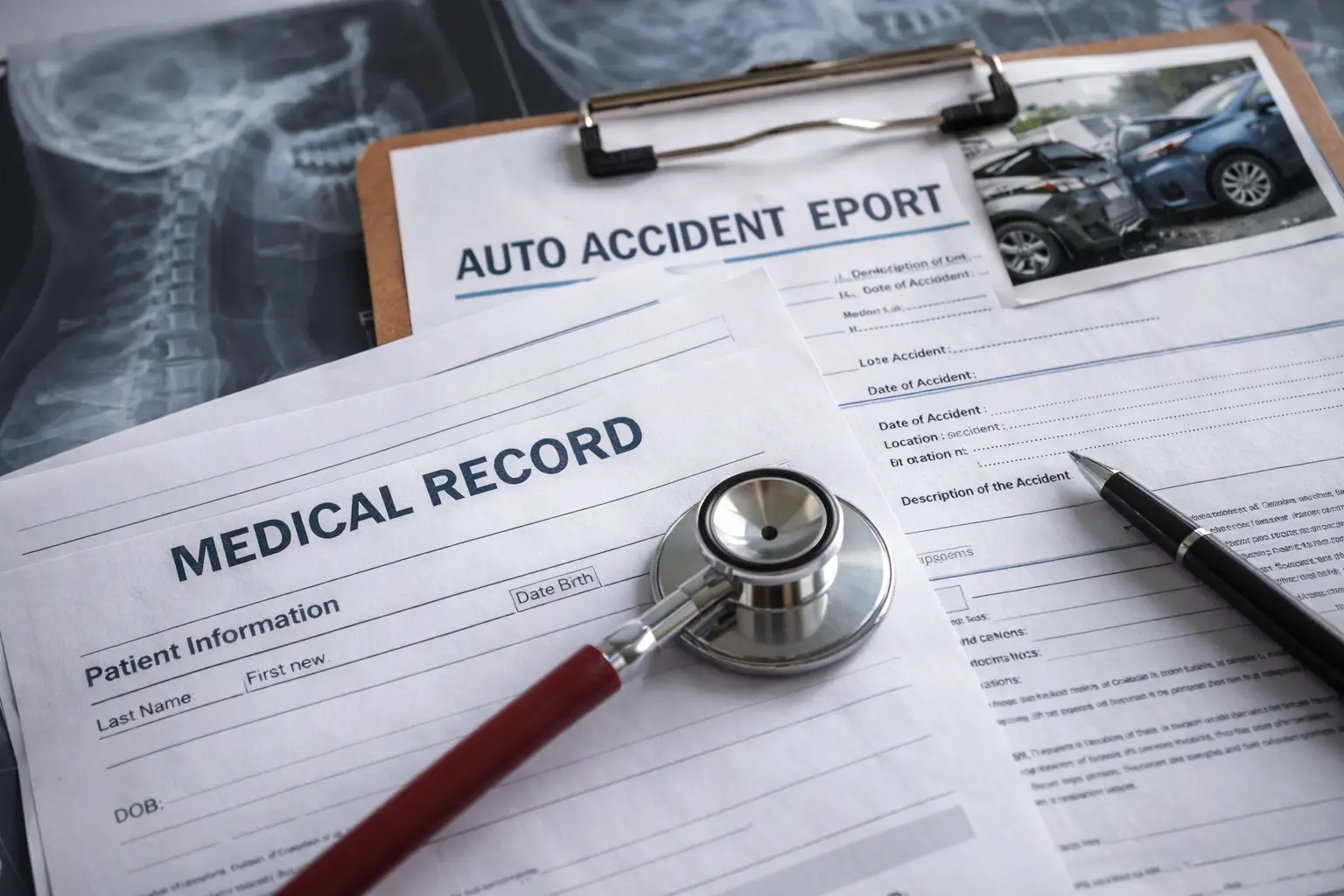
Medical documentation is also critical in auto cases. Soft-tissue injuries, traumatic brain injuries, and spinal damage must be carefully developed through consistent treatment, imaging, specialist referrals, and narrative reports. Gaps in care or incomplete records can be used to challenge credibility. Building a strong medical record is not passive—it requires proactive coordination.
Third, commercial carriers are defended by rapid response teams. Immediately after a serious crash, trucking companies often deploy investigators and defense counsel to the scene. Their objective is to limit exposure and control the narrative from the outset. Without prompt counter-investigation, crucial evidence can disappear.
The injuries in trucking accidents are frequently catastrophic—traumatic brain injuries, spinal cord damage, amputations, internal organ trauma, and multiple fractures. These cases often require life-care planning, long-term economic projections, and expert testimony to accurately measure future medical costs and diminished earning capacity.
Insurance dynamics are also more complex. Commercial policies may carry higher limits, but carriers and insurers aggressively defend these claims. Layered coverage, excess policies, and self-insured retentions must be analyzed carefully. Strategic negotiation posture is critical.
At Biazzo Injury Law, we approach trucking cases with urgency and depth. We move quickly to send spoliation letters demanding preservation of black box data, driver logs, maintenance records, and onboard communications. When necessary, we engage accident reconstruction experts to analyze speed, braking patterns, and crash dynamics. Our firm prepares trucking cases as litigation files from day one. We build them with expert support, documented regulatory analysis, and comprehensive damages modeling. That level of preparation changes how insurers and defense counsel evaluate risk.
Unlike high-volume firms that treat commercial crashes like standard auto claims, we understand the regulatory and evidentiary complexity involved. Our technology-driven systems allow us to manage large volumes of data efficiently while maintaining strategic focus.
Trucking accidents demand serious advocacy, technical understanding, and disciplined preparation. Through proactive investigation, regulatory analysis, and trial-ready case development, Biazzo Injury Law is uniquely positioned to pursue full and fair compensation for victims of commercial truck collisions.


