
What to Do After a Rideshare (Uber/Lyft) Accident in South Carolina
Hurt in an Uber or Lyft accident in South Carolina? Learn the steps to take after the crash, how South Carolina rideshare insurance coverage works, and when to talk with an injury lawyer.
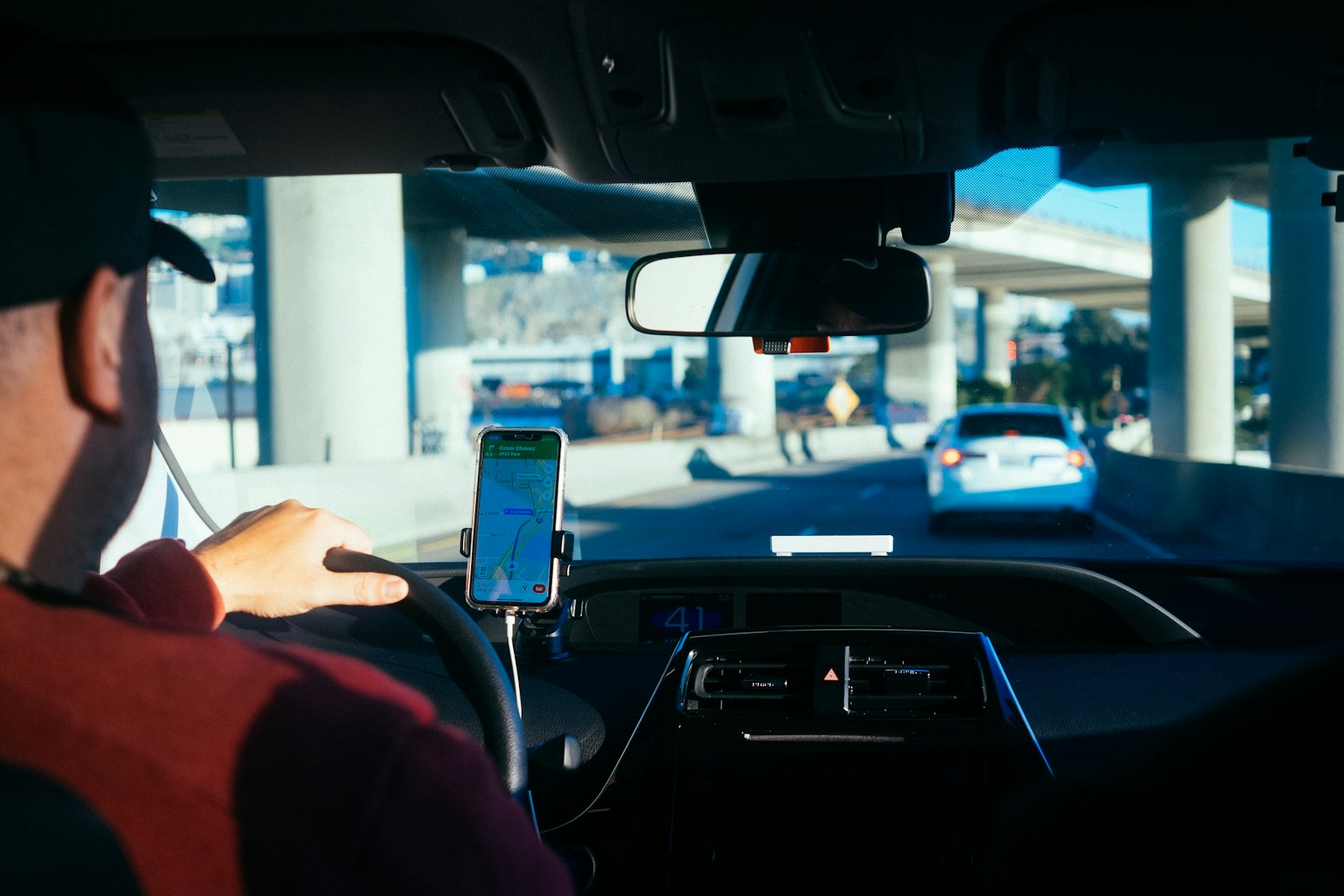
What to Do After a Rideshare (Uber/Lyft) Accident in South Carolina
A step-by-step guide for passengers, drivers, and others hurt in an Uber or Lyft crash
You tapped a button, got in the car, and expected to get where you were going. Instead, you ended up in a crash. Now you are hurting, your phone is full of app notifications, and nobody seems sure whose insurance is supposed to pay.
That confusion is normal. Rideshare accidents are different from ordinary car wrecks because several insurance policies may be involved, and which one applies can depend on what the rideshare driver's app was doing at the moment of the crash. Rideshare trips are part of everyday travel across the state, from Upstate South Carolina to Charleston and the Grand Strand. Whether you were a passenger, the rideshare driver, another motorist, a pedestrian, or a cyclist, the steps you take in the first days can make a real difference.
This guide explains what to do after an Uber or Lyft accident in South Carolina, how rideshare insurance works under South Carolina law, and when it makes sense to talk with a lawyer.
The Short Answer: What to Do After a Rideshare Accident in South Carolina
After an Uber or Lyft accident in South Carolina, get to safety, call 911, and get medical care, even if you feel okay. Then document everything: take screenshots of the trip in the app, photograph the vehicles and scene, and collect the names, insurance details, and contact information of every driver involved. Report the crash through the rideshare app, but be careful about giving recorded statements to any insurance company before you understand your rights.
South Carolina law requires rideshare companies and their drivers to carry insurance that recognizes rideshare use. During an active trip, that coverage must be at least $1 million for death, bodily injury, and property damage. Because South Carolina uses a modified comparative fault rule and generally gives you three years to file an injury lawsuit, acting early helps protect your claim. In many ways, a rideshare injury is handled like other car accident claims, just with more insurance policies to sort out.
Step 1: Make Sure Everyone Is Safe and Call 911
Your health comes first. If you can move safely, get out of traffic and away from the vehicles. Call 911 so police and emergency medical services respond to the scene.
A police report is one of the most important documents in a rideshare claim. It records who was involved, what each driver said, and often the officer's initial observations about how the crash happened. When the officer arrives, give accurate facts, but avoid guessing or apologizing. Simple statements like "I'm sorry" can later be twisted into an admission of fault.
Step 2: Get Medical Attention Right Away
Many crash injuries, such as concussions, whiplash, and internal injuries, do not show symptoms immediately. Adrenaline can mask pain for hours or even days. See a doctor, urgent care, or emergency room as soon as possible, and tell the provider you were in a car accident.
Prompt treatment protects your health first. It also creates a medical record that connects your injuries to the crash. Insurance companies often point to gaps in treatment to argue that an injury was minor or caused by something else. Follow your doctor's treatment plan and keep every appointment.
Step 3: Document the Trip and the Scene
Rideshare claims depend heavily on digital evidence. Before details disappear, gather as much as you can:
- Screenshots of the app showing the trip, driver name, vehicle, route, and time stamps
- Photos and video of all vehicles, the road, traffic signals, skid marks, and weather conditions
- Driver information for everyone involved: names, phone numbers, license numbers, and insurance companies
- Witness contact information, since independent witnesses can be very persuasive
- Your receipts and trip confirmation emails from Uber or Lyft
If you were the rideshare driver, note whether your app was off, on and waiting for a request, or on an active trip at the moment of the crash. That detail often determines which insurance applies.
Step 4: Report the Accident, But Be Careful What You Say
Report the crash through the Uber or Lyft app so there is a record with the company. You may also be contacted by one or more insurance adjusters, sometimes within a day or two.
Remember that adjusters work for the insurance company, not for you. You are generally not required to give a recorded statement to another driver's insurer, and doing so before you know the full extent of your injuries can hurt your claim. Stick to basic facts, do not speculate about fault, and do not sign anything or accept a quick settlement offer until you understand what your claim may be worth.
If you were injured in South Carolina, Biazzo Injury Law can help. Contact us for a free consultation. We can deal with the insurance companies so you can focus on getting better.
How Rideshare Insurance Works in South Carolina
South Carolina regulates rideshare companies, which the law calls transportation network companies (TNCs). Under S.C. Code § 58-23-1630, the driver, the rideshare company, or both must maintain primary auto insurance that recognizes the driver is a rideshare driver. The required coverage depends on the driver's status:
- App off: The rideshare driver is treated like any other driver, and their personal auto policy generally applies.
- App on, waiting for a ride request: Primary liability coverage of at least $50,000 per person and $100,000 per incident for death and bodily injury, plus $50,000 for property damage, along with uninsured motorist coverage.
- During a prearranged ride (generally from the time a driver accepts a request until the passenger leaves the vehicle): Primary liability coverage of at least $1 million for death, bodily injury, and property damage, along with uninsured motorist coverage.
The statute also says that if the driver's coverage has lapsed or does not meet these requirements, the rideshare company's insurance must provide the required coverage starting with the first dollar of the claim, and that the company's coverage cannot be conditioned on a personal insurer first denying the claim.
Other policies may come into play too. If another driver caused the crash, that driver's insurance is usually the first place to look. South Carolina requires every driver to carry at least $25,000 per person, $50,000 per accident in bodily injury liability, $25,000 in property damage liability, and uninsured motorist coverage at the same limits. Underinsured motorist coverage is optional, but if you or a household member carries it, it may help when the at-fault driver's limits are too low to cover your losses.
South Carolina Fault Rules and Filing Deadlines
South Carolina is an at-fault state, which means the person or company responsible for a crash is responsible for the resulting damages. Two rules matter most for rideshare injury claims:
Modified comparative fault (51% bar). South Carolina follows a modified comparative negligence rule. You can recover compensation as long as your share of fault is not more than 50%, but your recovery is reduced by your percentage of fault. If you are found more than 50% at fault, you cannot recover. Passengers are rarely at fault for a crash, but insurers sometimes try to shift blame among drivers, which can affect how much each policy pays.
Statute of limitations. Under S.C. Code § 15-3-530, most personal injury lawsuits in South Carolina must be filed within three years. Wrongful death claims generally must be filed within three years of the date of death. Some situations, such as crashes involving a government vehicle, can involve different rules and shorter notice requirements, so it is wise to get advice early.
What Compensation May Be Available?
Every case is different, and no one can promise a particular result. Depending on the facts, people hurt in rideshare accidents may be able to seek compensation for:
- Medical bills, both current and expected future treatment
- Lost wages and reduced ability to earn income
- Pain and suffering
- Emotional distress and loss of enjoyment of life
- Property damage
The value of a claim depends on factors like the severity of your injuries, the clarity of fault, and the insurance coverage available.
When Should You Speak With a Personal Injury Lawyer?
Not every accident requires legal representation. However, legal guidance may be helpful when:
- You were injured and needed medical treatment
- More than one driver or insurance company is involved
- It is unclear whether the rideshare driver's app was on or whether a trip was active
- An insurance company is pressuring you for a recorded statement or quick settlement
- Your claim was denied or the offer does not cover your medical bills and lost income
- Someone was seriously injured or killed
An attorney can identify every applicable policy, preserve app and trip data, and handle communications with the insurers so you do not have to.
Frequently Asked Questions About Rideshare Accidents in South Carolina
Can I sue Uber or Lyft directly after an accident in South Carolina?
It depends on the facts. Rideshare companies generally treat drivers as independent contractors, so claims often run through the insurance coverage South Carolina requires rather than a direct lawsuit against the company. A lawyer can review whether the company, the driver, another motorist, or several parties may be responsible.
Who pays my medical bills if I was a passenger in an Uber or Lyft?
If another driver caused the crash, that driver's liability insurance is typically involved. If the rideshare driver was at fault during an active trip, South Carolina law requires at least $1 million in primary liability coverage. Your own health insurance and auto policy may also help while the claim is resolved.
What if the driver who hit my rideshare had no insurance?
South Carolina requires rideshare coverage to include uninsured motorist coverage while the driver is logged on and during a trip. Your own uninsured motorist coverage may also apply. These claims can involve several insurers, so documentation and early advice are important.
How long do I have to file a rideshare accident claim in South Carolina?
Most South Carolina personal injury lawsuits must be filed within three years under S.C. Code § 15-3-530. Waiting can make it harder to obtain app data, video footage, and witness statements, so it is best to act well before the deadline.
Should I accept the rideshare insurance company's first settlement offer?
Be cautious. Early offers may come before you know the full extent of your injuries or future medical needs. Once you accept a settlement and sign a release, you usually cannot ask for more later. Consider having an attorney review any offer first.
Talk With a South Carolina Rideshare Accident Lawyer
A rideshare accident can leave you dealing with injuries, missed work, and a maze of insurance companies that all seem to point at each other. You do not have to sort it out alone. The South Carolina personal injury lawyers at Biazzo Injury Law help injured people understand their rights and pursue the compensation they deserve after Uber and Lyft accidents.
Attorneys William Parris and Corey Biazzo offer a free, no-obligation consultation, and we work on a contingency fee basis. You pay nothing unless we win. Reach out today through our contact form to talk about your case.


