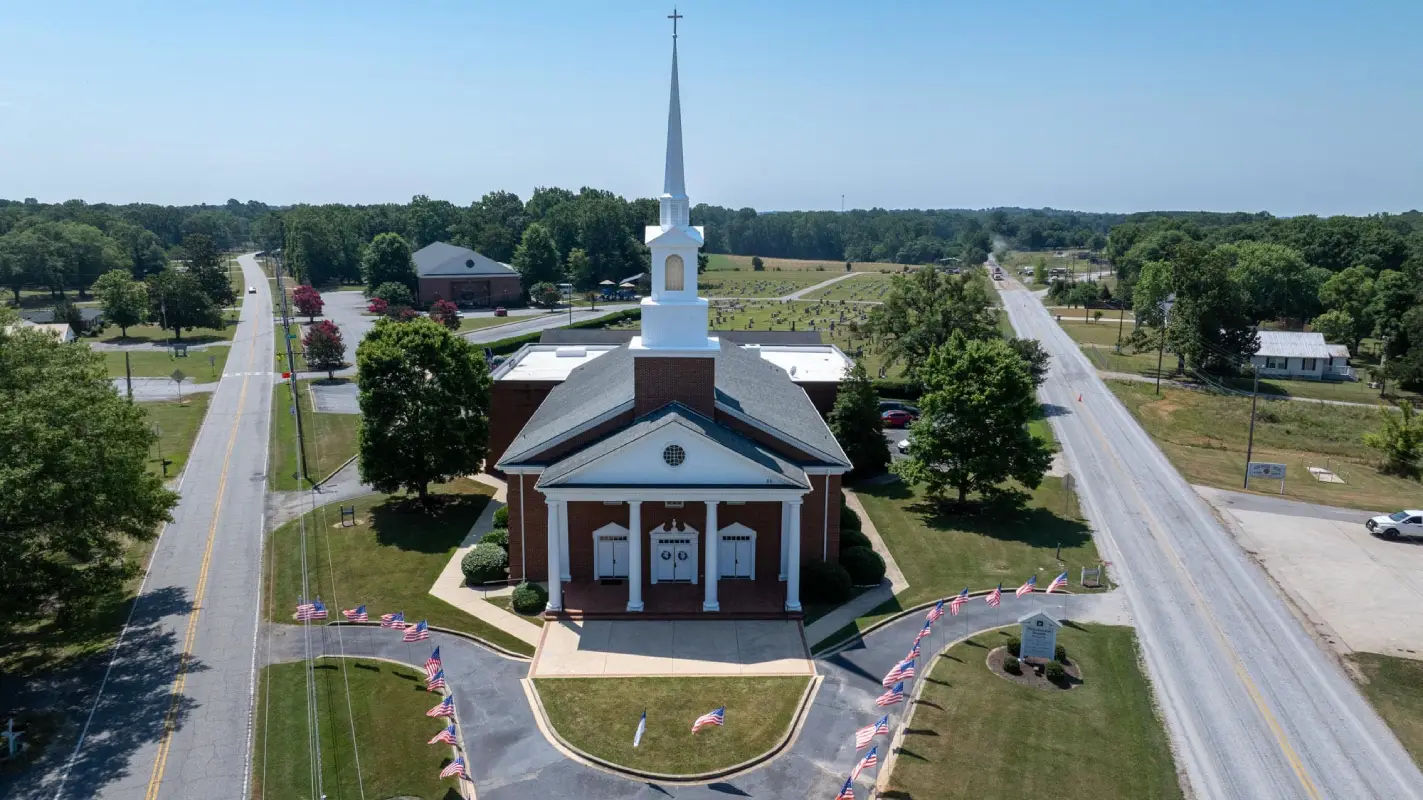
Pauline is an unincorporated southeastern Spartanburg County community where SC-215 and SC-56 carry rural two-lane traffic between Spartanburg, Chesnee, and Cherokee County — a rural community with no municipal police, limited road infrastructure, and higher-than-average travel times to acute care following a serious crash.
SC-215 (Pauline-Chesnee Road) is the primary state highway through Pauline, connecting the community northwest toward Chesnee and southeast toward Union County; the road's rural two-lane character with limited sight distance at driveways and uncontrolled crossroads creates angle and rear-end crash conditions.
SC-56 (Pacolet Road) passes through the Pauline area as a southeastern Spartanburg County connector toward Pacolet, Gaffney, and the Cherokee County line; speed differentials between agricultural or slow-moving vehicles and through-traffic on this rural two-lane road generate passing-zone violations and rear-end crashes.
Pauline's rural location in southeastern Spartanburg County — away from both I-85 and I-26 — means that Spartanburg Medical Center is approximately 25 miles by road; the travel time for crash victims requiring acute care is among the longest in the county, making rapid on-scene documentation and EMS response especially critical.
As an unincorporated community, Pauline has no municipal police department — Spartanburg County Sheriff's Office and SCHP handle all crash response, and coverage per road mile in this rural area is limited, meaning scene documentation and crash report retrieval after a Pauline collision requires working with county-level agencies.
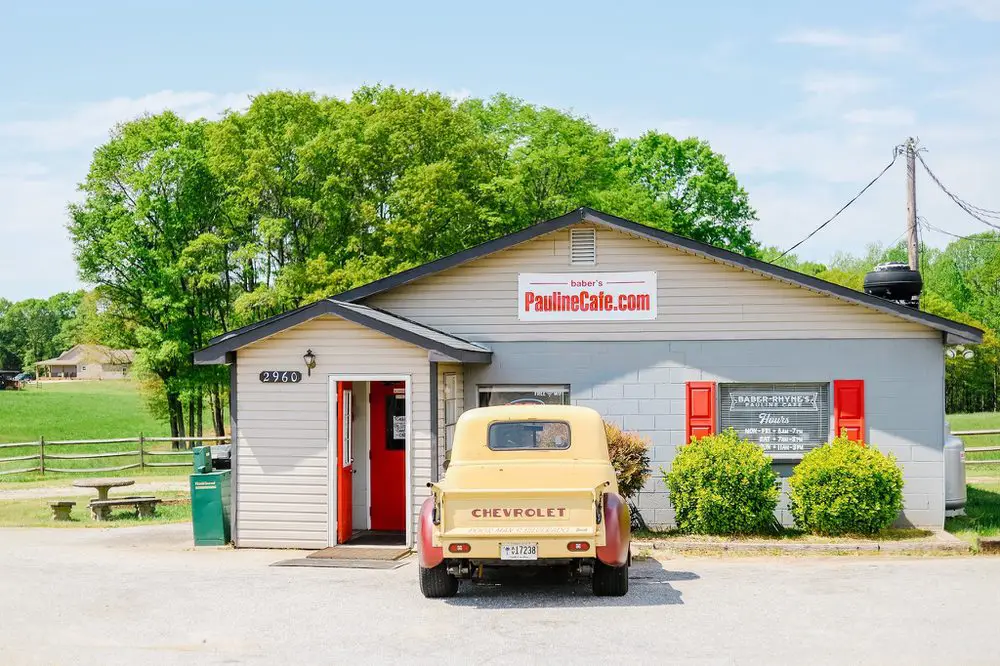
Pauline is an unincorporated rural community in southeastern Spartanburg County where SC-215 and SC-56 carry two-lane highway traffic with limited intersection controls and no municipal police coverage — a rural crash environment characterized by speed-differential risk, agricultural vehicle conflicts, and extended EMS response and hospital transport times.
Pauline is an unincorporated community in the southeastern corner of Spartanburg County, situated between Chesnee to the northwest, Cowpens to the northeast, and Pacolet to the east. The area's road network is composed of two-lane state highways and county roads that were designed for rural volumes and have not been significantly upgraded to reflect current traffic demands. SC-215 (Pauline-Chesnee Road) serves as the primary corridor, running northwest toward Chesnee and southeast toward Union County; the road's rural character means limited pavement width, limited sight distance at access points, and no lighting on most sections. SC-56 (Pacolet Road) provides a secondary connection toward Pacolet and Cherokee County, with similar two-lane rural characteristics and agricultural vehicle traffic.
Spartanburg County Sheriff's Office and SCHP cover all law enforcement and crash response in Pauline; there is no municipal police. Spartanburg Medical Center is the nearest acute-care resource, approximately 20–25 miles by road; Prisma Health Greenville Memorial serves as the Level I trauma option for the most serious cases. South Carolina's comparative fault statute applies to all Pauline crashes, and because crashes in this rural area often involve single-vehicle or two-vehicle scenarios with limited witnesses, fault documentation is particularly important.
Which roads and traffic conditions create the most risk in Pauline?
SC-215 (Pauline-Chesnee Road) and SC-56 (Pacolet Road) carry the highest crash risk in the Pauline area — rural two-lane highways with limited sight distance, agricultural vehicle traffic, and no intersection controls at rural junctions where crossing-path crashes occur.
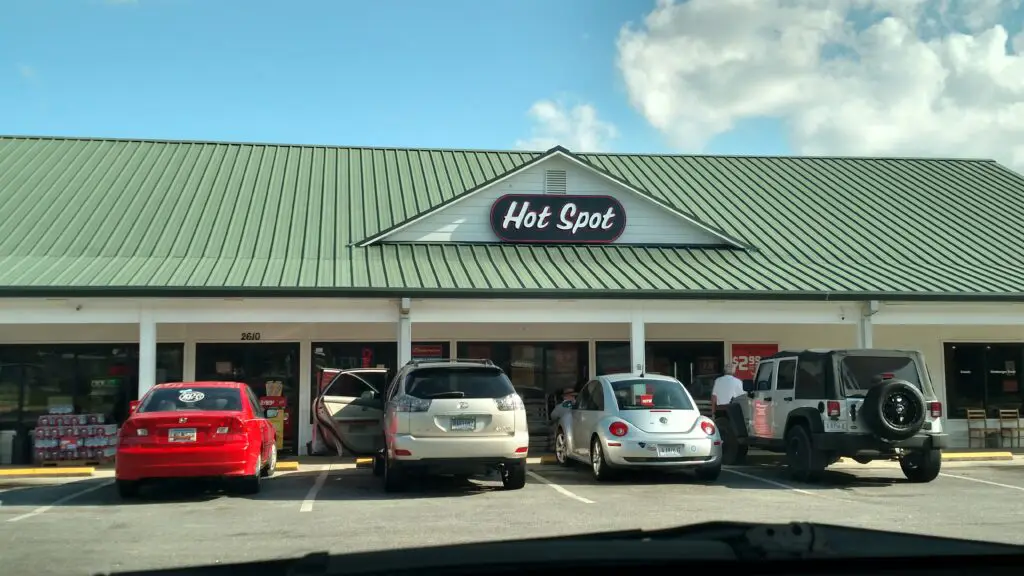
SC-215 (Pauline-Chesnee Road) is the primary crash corridor in the Pauline area. Rural driveways and farm access roads intersect SC-215 at uncontrolled points with limited sight distance, creating angle crash risk for vehicles entering the highway without adequate gaps in traffic. Agricultural equipment, tractors, farm implements, and slow-moving vehicles traveling between farm operations creates speed differentials on SC-215 that generate rear-end crash scenarios when following drivers fail to react in time. Night driving conditions on SC-215 and SC-56 are hazardous because of the absence of roadway lighting; animal crossings and stationary vehicles with failed lighting on unlit rural roads contribute to nighttime crash risk in the Pauline area.
SC-56 (Pacolet Road) between Pauline and the Pacolet area follows a rural alignment with limited passing zones; commercial and agricultural vehicles traveling between southeastern Spartanburg County and Cherokee County add heavy vehicle traffic to a road with limited lane width. Secondary county roads connecting Pauline to surrounding communities have uncontrolled rural intersections and limited pavement condition, adding additional crash risk to the area's road network.
Major roads and corridors in Pauline
SC-215 (Pauline-Chesnee Road) — Pauline's primary state highway corridor; rural driveways with limited sight distance, agricultural vehicle traffic, and unlit nighttime conditions create angle, rear-end, and run-off-road crash risk.
SC-56 (Pacolet Road) — Southeast connector toward Pacolet and Cherokee County; commercial and agricultural vehicles on a two-lane rural alignment create speed-differential and passing conflict crashes.
SC-150 (New Cut Road) — Northeast connector from Pauline toward the Spartanburg southern corridor; rural two-lane character with at-grade intersections and limited sight distance at access points.
Cross Anchor Road — Rural connector toward the Cross Anchor community; low-volume but high-speed two-lane road with no intersection controls and no lighting infrastructure for night driving.
Dangerous intersections and congestion zones in Pauline
SC-215 at SC-56 (Pauline-Chesnee Road at Pacolet Road) — Primary Pauline area junction where two rural two-lane state highways intersect; angle crashes from cross-traffic entering SC-215 without adequate sightlines or traffic control represent the highest crash risk point in the community.
SC-215 at SC-150 — Northeast Pauline junction where three rural corridors converge; cross-traffic from SC-150 entering SC-215 creates gap-acceptance crash risk from the speed differential between approaching SC-215 traffic and SC-150 cross-traffic. SC-215 at farm access driveways
Multiple uncontrolled driveway access points along SC-215 where agricultural vehicles enter and exit the main highway with limited visibility, particularly for slow-moving equipment requiring extended gaps.
SC-56 at Cross Anchor Road — Rural junction southeast of Pauline where cross-corridor traffic meets SC-56 through-traffic at an uncontrolled intersection with limited sightlines from vegetation and terrain.
Local Resources for Accident Victims in Pauline
What should you do after a car accident in Pauline?
After a Pauline car accident: call 911, get medical care, document the scene, request the crash report from Spartanburg County Sheriff's Office or Spartanburg County Sheriff's Office, and avoid giving detailed insurance statements before speaking with an attorney about how South Carolina's comparative fault rules affect your claim.
1. Call 911. Spartanburg County Sheriff's Office handles crash response in the Pauline area. South Carolina Highway Patrol (SCHP) responds on SC-215, SC-56, and other state highways in the area.
2. Seek medical care. Spartanburg Medical Center is the nearest acute-care facility, approximately 20–25 miles north. For serious trauma, Prisma Health Greenville Memorial Hospital (Level I) is the Level I trauma option.
3. Document the scene. Photograph vehicle damage, road conditions, skid marks, and injuries. Because SC-215 and SC-56 have no roadway lighting or cameras on most sections, your own photographs are often the primary evidence record for Pauline crashes.
4. Collect witness and insurance information. Get names and phone numbers. Do not discuss fault at the scene.
5. Request the crash report. Spartanburg County Sheriff's Office crash reports can be requested through the department's records division. South Carolina Highway Patrol (SCHP) reports are available through their records division or SCDOT's online portal.
6. Be careful with insurance calls. Even under South Carolina's comparative fault system, early statements can be used to increase your assigned fault percentage and reduce your recovery.
7. Speak with a lawyer before settling. Your settlement should account for all medical costs, future treatment, lost income, and the long-term impact of your injuries.
Talk to a Pauline car accident lawyer today
If you were injured in a Pauline car accident, we can help you understand how South Carolina law applies to your claim, what your case may be worth, and how to protect your rights through the insurance process.
Frequently asked questions
What should I do immediately after a car accident in Pauline?
Call 911, get medical care, photograph the scene, collect witness information, and request the crash report from Spartanburg County Sheriff's Office or South Carolina Highway Patrol (SCHP). Be careful with early statements to insurance companies — your words about fault matter under South Carolina law.
Which roads in Pauline have the highest crash risk?
SC-215 (Pauline-Chesnee Road) and SC-56 (Pacolet Road) carry the highest crash risk in the Pauline area — rural two-lane highways with limited sight distance, agricultural vehicle traffic, and no intersection controls at rural junctions where crossing-path crashes occur.
How do I get a crash report after a Pauline accident?
Spartanburg County Sheriff's Office crash reports can be requested through the department's records division. For crashes on state highways investigated by South Carolina Highway Patrol (SCHP), reports are available through SCDOT's online crash report portal or through South Carolina Highway Patrol (SCHP) records. Allow a few days after the crash before requesting.
Where should I go for emergency medical care after a serious Pauline crash?
Spartanburg Medical Center provides emergency and acute care for crash victims in the Pauline area, approximately 20–25 miles north. For the most serious trauma requiring Level I resources, Prisma Health Greenville Memorial Hospital (Level I) is accessible for critical cases.
How does South Carolina's fault system affect my Pauline car accident claim?
South Carolina follows a modified comparative fault system under SC Code Ann. § 15-38-15. Unlike the contributory negligence rule used in a small number of states — where being even slightly at fault can bar all recovery — South Carolina allows injured people to recover as long as they are 51% or less responsible for the crash. Your recovery is reduced proportionally by your percentage of fault. This means handling fault carefully still matters in a Pauline accident case — reducing your assigned fault percentage directly increases your potential recovery.