
Chesnee is a small community in northern Spartanburg County where SC-11, US-221, and rural connectors carry commuters and recreational travelers through a corridor that mixes local traffic with drivers heading to Cherokee County and the NC border.
SC-11 through Chesnee and northern Spartanburg County carries a mix of local commuter traffic, recreational travelers, and commercial vehicles in a rural corridor where two-lane road conditions create elevated head-on and run-off-road crash risk.
The corridor between Chesnee and Gaffney on SC-9 is a frequent location for speed-related crashes, particularly during nighttime hours when traffic thins and drivers accelerate beyond safe limits for the road's geometry.
The Chesnee Police Department handles crash response within city limits; the Spartanburg County Sheriff's Office and SCHP cover crashes on SC-11, US-221, and other state routes through the surrounding rural areas.
The nearest emergency care for serious Chesnee area crashes is Prisma Health Cherokee Medical Center in Gaffney (approximately 12 miles north), with Level II Trauma resources available at Spartanburg Medical Center approximately 20 miles south.
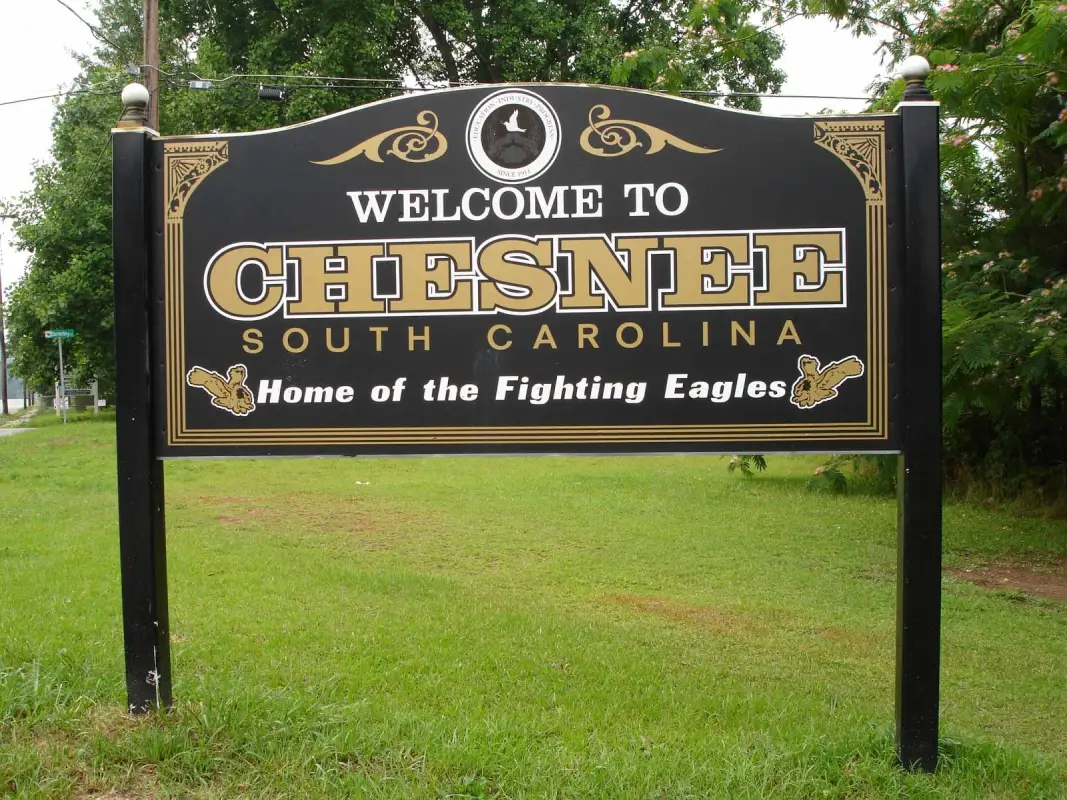
Chesnee sits at the junction of SC-11 and US-221 in northern Spartanburg County — a corridor that carries commuter, commercial, and recreational traffic through a rural road network where limited sight distances and two-lane conditions create significant crash risk.
Chesnee is a small incorporated community in the northern part of Spartanburg County, positioned where SC-11, the Cherokee Foothills Scenic Highway, and US-221 intersect. This location makes Chesnee a pass-through point for traffic moving between Spartanburg, Gaffney, and the communities along the Upstate's foothills corridor.
SC-11 carries a mix of local commuters, recreational motorcyclists exploring the foothills, and commercial vehicles in a two-lane rural corridor where passing opportunities are limited and sight distances at driveways and side streets are often restricted by terrain and vegetation. The combination of local drivers familiar with the road and visitors less attuned to its characteristics creates a consistent crash risk profile.
The Chesnee Police Department provides city coverage, while the Spartanburg County Sheriff's Office and SCHP handle the rural corridors. The nearest significant medical facility is Prisma Health Cherokee Medical Center in Gaffney, with more substantial trauma resources at Spartanburg Medical Center to the south.
Which roads and traffic conditions create the most risk in Chesnee?
SC-11 and SC-9 through the Chesnee area carry the highest crash risk, two-lane rural roads with limited sight distances, speed variability, and a mix of local and recreational traffic that produces both run-off-road and intersection crashes.
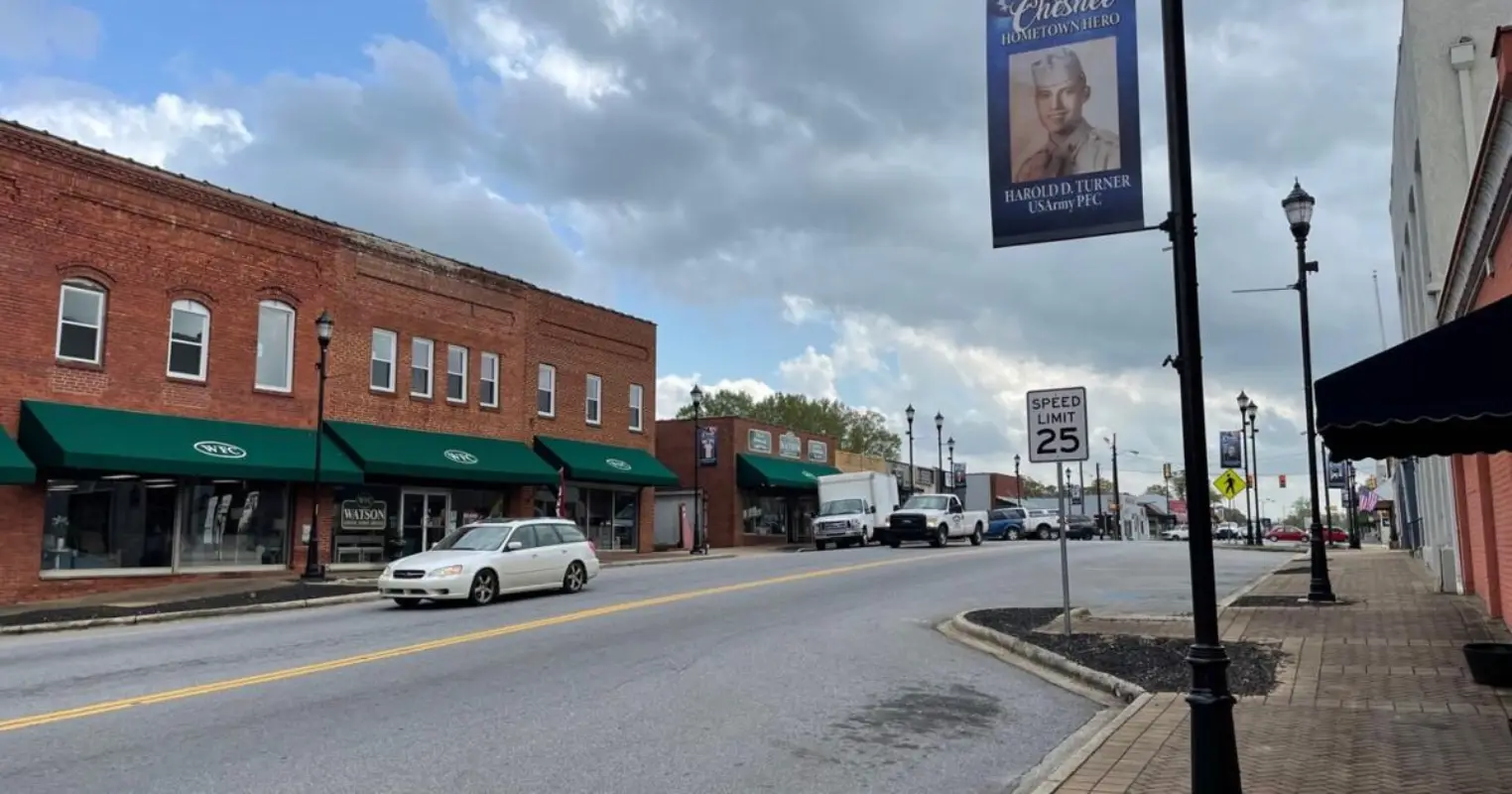
SC-11, also known as the Cherokee Foothills Scenic Highway, serves as Chesnee's main link to the expansive foothills corridor. Despite its picturesque nature, the highway presents significant challenges due to its winding curves, elevation shifts, and narrow shoulders. These factors contribute to a heightened risk of run-off-road accidents, especially for motorcyclists and drivers who are not familiar with the route. Speeding is a major factor in many of the crashes that occur along this corridor, as drivers often underestimate the road's complexity.
US-221 runs north-south through Chesnee connecting to Gaffney and Spartanburg. As a primary rural connector, it carries a mix of commercial vehicles, commuters, and agricultural equipment that creates speed differential hazards. Two-lane sections with no center turn lane force drivers to wait in the travel lane for turning vehicles, creating rear-end risk.
SC-9 between Chesnee and Gaffney is a secondary corridor with limited passing zones and varying sight distances, which significantly contribute to head-on crash risks. These dangers are particularly pronounced during dawn and dusk when glare from the sun can impair visibility, making it challenging for drivers to accurately judge distances and speeds. The road's rural nature, combined with its frequent use by both local and through traffic, exacerbates these risks, necessitating heightened caution and awareness from all drivers.
Major roads and corridors in Chesnee
SC-11 / Cherokee Foothills Scenic Highway — Runs through northern Spartanburg County; curves, limited shoulders, and recreational traffic (especially motorcycles) create run-off-road and head-on crash risk.
US-221 — North-south connector between Chesnee, Gaffney, and Spartanburg; two-lane sections with speed differentials from commercial and agricultural vehicles create rear-end and passing crash risk.
SC-9 — Connects Chesnee to Boiling Springs and Gaffney; limited passing zones and varying sight distances generate head-on crash exposure on this rural corridor.
Goucher Road / SC-S-42-55 — Local Chesnee connector carrying residential and agricultural traffic with intersection hazards at junctions with SC-11 and US-221.
Dangerous intersections and congestion zones in Chesnee
SC-11 & US-221 — Primary intersection in Chesnee where the foothills scenic highway meets the north-south county connector; turning conflicts and speed differential crashes occur at this junction.
SC-9 & US-221 — Secondary intersection north of Chesnee where rural traffic from multiple directions converges; limited sight distance at approaches creates angle crash risk.
SC-11 & SC-9 (near Chesnee) — Rural intersection where recreational and commuter traffic from both routes cross, with limited signalization and sight distance challenges.
Local Resources for Accident Victims in Chesnee
What should you do after a car accident in Chesnee?
After a Chesnee car accident: call 911, get medical care, document the scene, request the crash report from Chesnee Police Department or Spartanburg County Sheriff's Office, and avoid giving detailed insurance statements before speaking with an attorney about how South Carolina's comparative fault rules affect your claim.
1. Call 911. Chesnee Police Department handles crash response inside city limits. Spartanburg County Sheriff's Office responds in unincorporated Spartanburg areas. South Carolina Highway Patrol (SCHP) responds on state highways and interstates.
2. Seek medical care. Prisma Health Cherokee Medical Center in Gaffney is the primary acute-care facility for the area. For serious trauma, Spartanburg Medical Center (Level II Trauma, approximately 20 miles south in Spartanburg) provides higher-level emergency resources.
3. Document the scene. Photograph vehicle damage, road conditions, traffic signals, skid marks, and injuries. SCDOT and commercial cameras along SC-11 and US-221 may have recorded the crash.
4. Gather witness and insurance details. Obtain names, phone numbers, and insurance information from all parties involved. Avoid discussing fault or making statements about the accident at the scene.
5. Request the crash report. Chesnee Police Department crash reports can be requested through the department's records division. South Carolina Highway Patrol (SCHP) reports are available through their records division or SCDOT's online portal.
6. Be careful with insurance calls. Even under South Carolina's comparative fault system, early statements can be used to increase your assigned fault percentage and reduce your recovery.
7. Speak with a lawyer before settling. Your settlement should account for all medical costs, future treatment, lost income, and the long-term impact of your injuries.
Talk to a Chesnee car accident lawyer today
If you were injured in a Chesnee car accident, we can help you understand how South Carolina law applies to your claim, what your case may be worth, and how to protect your rights through the insurance process.
Frequently asked questions
What should I do immediately after a car accident in Chesnee?
Call 911, get medical care, photograph the scene, collect witness information, and request the crash report from Chesnee Police Department or South Carolina Highway Patrol (SCHP). Be careful with early statements to insurance companies — your words about fault matter under South Carolina law.
Which roads in Chesnee have the highest crash risk?
SC-11 and SC-9 through the Chesnee area carry the highest crash risk — two-lane rural roads with limited sight distances, speed variability, and a mix of local and recreational traffic that produces both run-off-road and intersection crashes.
How do I get a crash report after a Chesnee accident?
Chesnee Police Department crash reports can be requested through the department's records division. For crashes on state highways investigated by South Carolina Highway Patrol (SCHP), reports are available through SCDOT's online crash report portal or through South Carolina Highway Patrol (SCHP) records. Allow a few days after the crash before requesting.
Where should I go for emergency medical care after a serious Chesnee crash?
Prisma Health Cherokee Medical Center in Gaffney provides emergency and acute care for crash victims in the Chesnee area. For the most serious trauma requiring Level I or II resources, Spartanburg Medical Center (Level II Trauma, approximately 20 miles south in Spartanburg) is accessible for critical cases.
How does South Carolina's fault system affect my Chesnee car accident claim?
South Carolina follows a modified comparative fault system under SC Code Ann. § 15-38-15. Unlike the contributory negligence rule used in a small number of states — where being even slightly at fault can bar all recovery — South Carolina allows injured people to recover as long as they are 51% or less responsible for the crash. Your recovery is reduced proportionally by your percentage of fault. This means handling fault carefully still matters in a Chesnee accident case — reducing your assigned fault percentage directly increases your potential recovery.