
Seneca is the largest city in Oconee County — the westernmost county in Upstate South Carolina — where US-123, SC-59, and SC-28 carry a mix of local traffic, Lake Hartwell recreational visitors, and Clemson University-related travelers through a community near the Georgia and North Carolina borders.
US-123 through Seneca and Oconee County is a primary regional corridor connecting Clemson University and Anderson County to the east with the Georgia state line to the west, carrying a mix of commuter, commercial, recreational, and university-related traffic.
Lake Hartwell and Lake Keowee recreational tourism generates significant seasonal traffic increases on US-123, SC-59, and SC-130 through the Seneca area — particularly during summer weekends when boat trailers, recreational vehicles, and out-of-state visitors unfamiliar with local roads increase crash risk.
The Seneca Police Department handles crash response inside city limits; the Oconee County Sheriff's Office covers the broader county; and SCHP responds to crashes on US-123, SC-59, SC-28, and other state highways through Oconee County.
Oconee Medical Center in Seneca provides emergency and acute care for Oconee County crash victims; for serious trauma, AnMed Health Medical Center in Anderson is approximately 25 miles east, and Prisma Health Greenville Memorial Hospital provides Level I resources approximately 45 miles northeast.
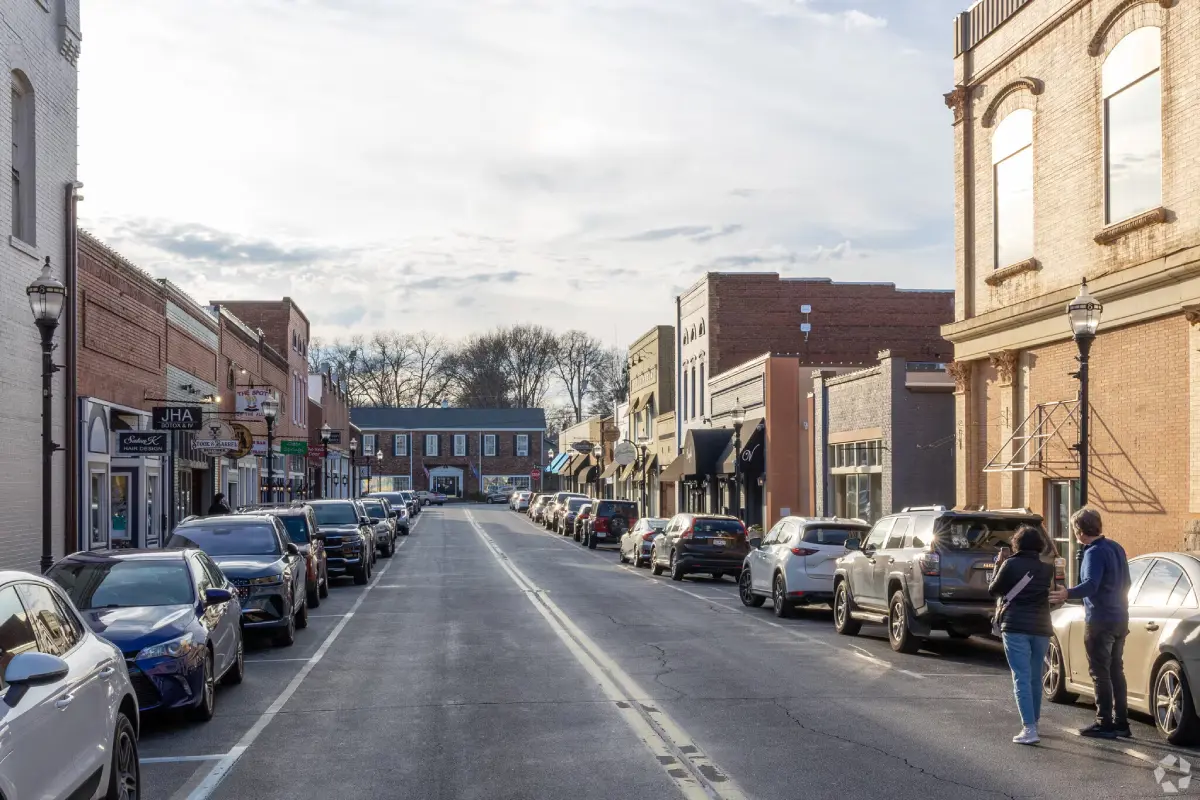
Seneca is the commercial center of Oconee County — a community near two major lakes and three state borders where US-123 carries a diverse traffic mix of local drivers, recreational tourists, and university travelers through a road network that was designed for a smaller, less tourist-intensive era.
Seneca is the largest city in Oconee County, located in the western corner of Upstate South Carolina near the borders of Georgia and North Carolina. The city serves as the commercial and governmental hub for one of South Carolina's more geographically remote counties, and its road network carries a traffic mix that reflects that unique position.
US-123 is the primary regional connector through Seneca, running east toward Clemson University and Anderson County and west toward the Georgia state line. The road carries commuter, commercial, and university-related traffic in addition to recreational visitors heading to Lake Hartwell and Lake Keowee — two major lakes in the region that generate substantial seasonal tourist traffic, particularly during spring and summer weekends.
Oconee Medical Center in Seneca provides local acute-care resources for crash victims in the area. For serious trauma requiring higher-level resources, the transport to AnMed Health in Anderson (25 miles east) or Prisma Health Greenville Memorial (45 miles northeast) means that response and transport time is a significant factor in seriously injured crash victims' outcomes — underscoring the importance of prompt medical attention and thorough crash documentation.
Which roads and traffic conditions create the most risk in Seneca?
US-123 and SC-59 carry the highest crash risk in Seneca — the US-123 commercial and regional corridor and the lake-access routes on SC-59 and SC-130 are the most consistently reported crash locations in Oconee County's largest city.
US-123 through Seneca carries a diverse and sometimes challenging traffic mix. Commercial vehicles, Clemson commuters, local residents, and recreational tourists sharing the same corridor creates speed differential and turning-conflict crash conditions, particularly at the access points to retail and service businesses along US-123 through the city.
SC-59 and SC-130 serve as primary lake-access routes in the Oconee County area, carrying boat trailers, recreational vehicles, and lakefront property owners to and from Lake Hartwell and Lake Keowee. These roads were not designed for the traffic volumes they now carry during peak summer weekends, and the combination of unfamiliar drivers, wide boat trailers, and rural road conditions creates elevated crash risk.
SC-28 provides a north-south connection through western Oconee County toward the North Carolina border and westward to Westminster and Walhalla. Its two-lane rural character and limited passing zones create head-on and overtaking crash risk on the stretches between communities.
Major roads and corridors in Seneca
US-123 — Primary regional corridor through Seneca toward Clemson and Georgia; diverse traffic mix of commuters, commercial vehicles, and recreational tourists creates varied crash conditions.
SC-59 — Primary lake-access route from Seneca toward Lake Hartwell; recreational and local traffic with boat trailers and RVs create width and speed differential crash risk.
SC-28 — North-south connector through western Oconee County; two-lane rural highway with limited passing zones and head-on crash risk on rural stretches.
SC-130 — Lake Keowee and northern Oconee County access route; recreational and residential traffic with curve and sight-distance crash risk.
SC-188 / Ram Cat Alley area (Seneca) — Historic downtown Seneca commercial corridor with local traffic, pedestrian exposure, and intersection crash conditions.
Dangerous intersections and congestion zones in Seneca
US-123 & SC-59 — Primary Seneca intersection where the regional highway meets the lake-access route; recreational and local traffic turning conflicts create frequent crash conditions.
US-123 & SC-28 — Major Seneca junction where the east-west regional corridor meets the north-south county highway; turning conflicts from both directions and commercial access.
US-123 & SC-130 — North Seneca intersection where the primary highway meets the Lake Keowee access route; recreational traffic spikes during summer weekends create elevated crash risk.
SC-59 & SC-130 — Secondary Seneca-area intersection connecting two major lake-access routes; width restrictions from boat trailers and recreational vehicles create crash conditions.
Local Resources for Accident Victims in Seneca
What should you do after a car accident in Seneca?
After a Seneca car accident: call 911, get medical care, document the scene, request the crash report from Seneca Police Department or Oconee County Sheriff's Office, and avoid giving detailed insurance statements before speaking with an attorney about how South Carolina's comparative fault rules affect your claim.
1. Call 911. Seneca Police Department handles crash response inside city limits. Oconee County Sheriff's Office responds in unincorporated Oconee areas. South Carolina Highway Patrol (SCHP) responds on state highways and interstates.
2. Seek medical care. Oconee Medical Center is the primary acute-care facility for the area. For serious trauma, AnMed Health Medical Center in Anderson (approximately 25 miles east) and Prisma Health Greenville Memorial Hospital (Level I Trauma, approximately 45 miles northeast in Greenville) provides higher-level emergency resources.
3. Document the scene. Photograph vehicle damage, road conditions, traffic signals, skid marks, and injuries. SCDOT and commercial cameras along US-123 and SC-59 may have recorded the crash.
4. Collect witness and insurance information. Get names and phone numbers. Do not discuss fault at the scene.
5. Request the crash report. Seneca Police Department crash reports can be requested through the department's records division. South Carolina Highway Patrol (SCHP) reports are available through their records division or SCDOT's online portal.
6. Be careful with insurance calls. Even under South Carolina's comparative fault system, early statements can be used to increase your assigned fault percentage and reduce your recovery.
7. Speak with a lawyer before settling. Your settlement should account for all medical costs, future treatment, lost income, and the long-term impact of your injuries.
Talk to a Seneca car accident lawyer today
If you were injured in a Seneca car accident, we can help you understand how South Carolina law applies to your claim, what your case may be worth, and how to protect your rights through the insurance process.
Frequently asked questions
What should I do immediately after a car accident in Seneca?
Call 911, get medical care, photograph the scene, collect witness information, and request the crash report from Seneca Police Department or South Carolina Highway Patrol (SCHP). Be careful with early statements to insurance companies — your words about fault matter under South Carolina law.
Which roads in Seneca have the highest crash risk?
US-123 and SC-59 carry the highest crash risk in Seneca — the US-123 commercial and regional corridor and the lake-access routes on SC-59 and SC-130 are the most consistently reported crash locations in Oconee County's largest city.
How do I get a crash report after a Seneca accident?
Seneca Police Department crash reports can be requested through the department's records division. For crashes on state highways investigated by South Carolina Highway Patrol (SCHP), reports are available through SCDOT's online crash report portal or through South Carolina Highway Patrol (SCHP) records. Allow a few days after the crash before requesting.
Where should I go for emergency medical care after a serious Seneca crash?
Oconee Medical Center provides emergency and acute care for crash victims in the Seneca area. For the most serious trauma requiring Level I or II resources, AnMed Health Medical Center in Anderson (approximately 25 miles east) and Prisma Health Greenville Memorial Hospital (Level I Trauma, approximately 45 miles northeast in Greenville) is accessible for critical cases.
How does South Carolina's fault system affect my Seneca car accident claim?
South Carolina follows a modified comparative fault system under SC Code Ann. § 15-38-15. Unlike the contributory negligence rule used in a small number of states — where being even slightly at fault can bar all recovery — South Carolina allows injured people to recover as long as they are 51% or less responsible for the crash. Your recovery is reduced proportionally by your percentage of fault. This means handling fault carefully still matters in a Seneca accident case — reducing your assigned fault percentage directly increases your potential recovery.