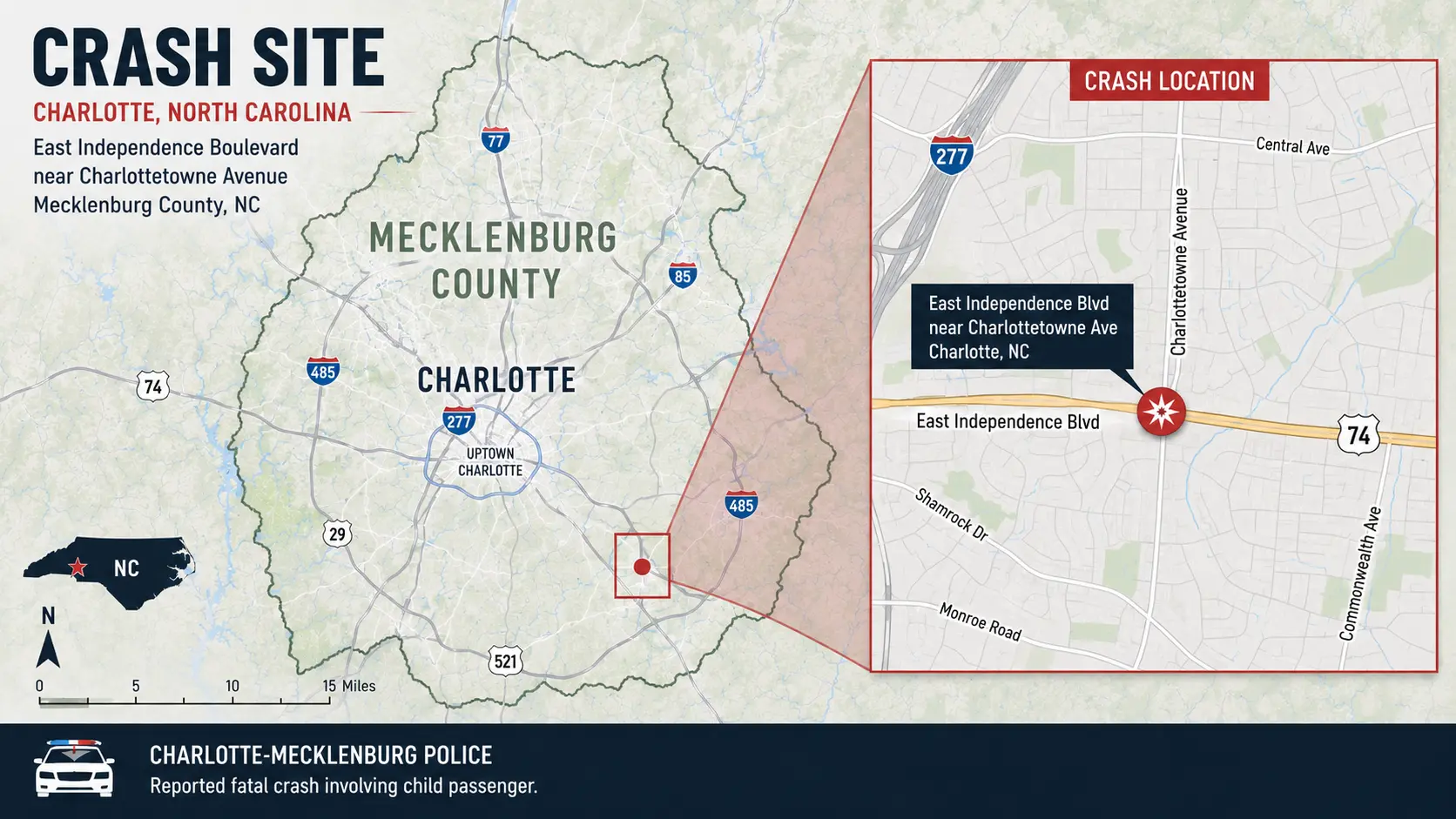
Mecklenburg County is the economic and geographic heart of the Charlotte metro. With over one million residents, Charlotte has grown into the largest city in the Carolinas and a major financial hub for the Southeast. That growth comes with serious consequences on the road — the combination of dense urban traffic, major interstate exchanges, and explosive suburban buildout creates crash conditions throughout the county every day.
I-485, the outer belt loop, carries hundreds of thousands of commuters daily and consistently ranks as one of the most dangerous roads in North Carolina. I-77 runs north into Iredell County and south across the border into York County, South Carolina. I-85 cuts through the northeast quadrant, carrying freight and commuter traffic between Charlotte and the Piedmont Triad. I-277 encircles Uptown Charlotte and feeds the city core from the interstate system.
Surface streets in Charlotte's fast-growing suburbs — south Charlotte, Ballantyne, Steele Creek, University City — carry volumes they were never designed for. Intersection failure, left-turn conflicts, and rear-end crashes are common at intersections built for far lower traffic levels.
North Carolina follows a strict contributory negligence rule. If you are found even 1% at fault for an accident, you may be completely barred from any recovery. Insurance companies in Mecklenburg County cases know this rule and use it aggressively. Early legal representation that controls the investigation and preserves evidence is essential.

Car accidents are a serious issue in Ballantyne because the area combines the Charlotte metro's densest corporate campus concentration with high-volume commuter corridors — I-485, Rea Road, and Ballantyne Commons Parkway — that handle both peak corporate traffic and growing residential volume.

Car accidents are a serious issue in Charlotte because the city combines rapid growth, major interstate corridors, and a documented concentration of fatal and serious crashes on a small share of its street network. Charlotte's High Injury Network shows that crash risk is not evenly distributed — it clusters on specific corridors where speed, traffic volume, and vulnerable road user activity overlap.

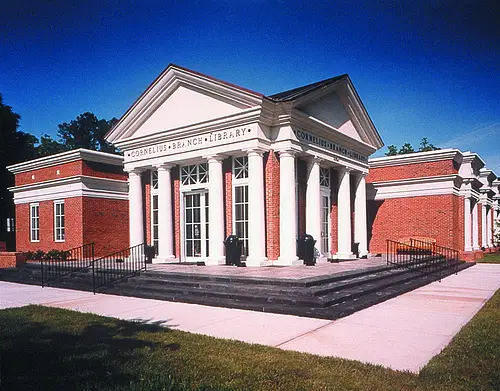
Car accidents are a serious issue in Cornelius because the town sits on I-77 at a point where Charlotte commuter traffic, Lake Norman recreational visitors, and commercial vehicles share a highway corridor that has seen substantial volume growth. Local roads like Catawba Avenue carry significant traffic from lake-access development.

Car accidents are a serious issue in Dilworth because a historic, walkable neighborhood grid now absorbs heavy commuter cut-through traffic, restaurant and retail visitor traffic, and hospital-access traffic from the adjacent Atrium Health Carolinas Medical Center campus — all on streets originally laid out for a fraction of today's volume.

Car accidents are a serious issue in Elizabeth because the neighborhood sits directly against Independence Boulevard, one of Charlotte's busiest commuter corridors, while also absorbing heavy hospital-related traffic from two major medical campuses on its borders.

Car accidents are a serious issue in Huntersville because the town has grown faster than its road network can accommodate. I-77 carries high-speed commuter and commercial traffic through the area, and local roads like Gilead Road, Statesville Road, and Sam Furr Road have seen substantial volume increases as residential development continues.

Car accidents are a serious issue in Matthews because the town is bisected by US-74 / Independence Boulevard, one of the busiest commercial and commuter corridors in the Charlotte region. High traffic volumes, frequent signalized intersections, commercial access points, and left-turn conflicts create crash conditions that affect both through traffic and local drivers.

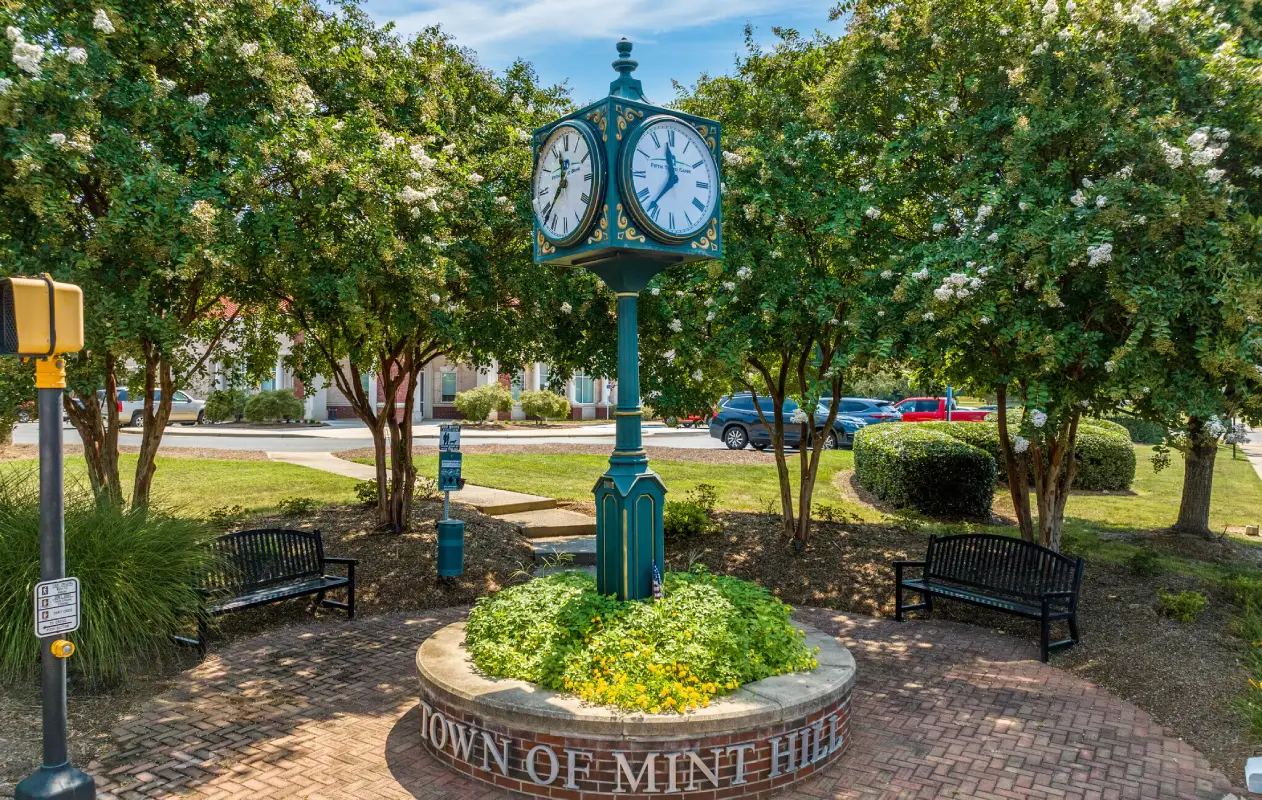
Car accidents are a serious issue in Mint Hill because the town sits at the convergence of I-485, US-74, and Matthews-Mint Hill Road — three of the most heavily traveled corridors in eastern Mecklenburg County. Commuters heading west into Charlotte and south toward Matthews generate peak-hour traffic that creates rear-end and merging crashes on I-485 and intersection-conflict crashes on the surface roads feeding into the interstate system.

Car accidents are a serious issue in Myers Park because Providence Road, a corridor specifically named in Charlotte's Vision Zero enforcement materials, carries heavy regional commuter traffic directly through one of the city's largest and most walkable historic neighborhoods.

Car accidents are a serious issue in NoDa because Charlotte's arts district draws heavy festival, gallery, and nightlife foot traffic into a compact street grid that also carries light rail service and steady vehicle traffic along North Davidson Street and North Tryon Street.

Car accidents are a serious issue in Pineville because the town sits at the intersection of multiple high-volume regional corridors — I-485, US-521, and NC-51 — and because the Carolina Place Mall commercial zone generates traffic volumes and conflict patterns that exceed what the local road network was designed to handle.

Car accidents are a serious issue in Plaza Midwood because Central Avenue, one of the corridors named in Charlotte's Vision Zero enforcement materials, runs directly through the neighborhood's dense restaurant, bar, and vintage-retail core, mixing commuter through-traffic with heavy pedestrian activity.

Car accidents are a serious issue in South End because one of Charlotte's most explosive growth areas funnels light rail trains, cyclists, nightlife pedestrian traffic, and heavy vehicle volume onto a single dominant corridor — South Boulevard — that was not built for its current density.

Car accidents are a serious issue in SouthPark because one of the Charlotte region's busiest retail and office districts concentrates mall traffic, commuter volume, and regional shoppers onto a compact network of roads centered on Fairview Road and Sharon Road.

Car accidents are a serious issue in Steele Creek because rapid residential and commercial growth has added substantial traffic to Steele Creek Road, South Tryon Street, and the I-485 loop faster than the surrounding road network has been able to expand.

Car accidents are a serious issue in University City because rapid growth around UNC Charlotte has pushed heavy commuter, student, and commercial traffic onto W.T. Harris Boulevard — a corridor named in Charlotte's Vision Zero enforcement materials — and the I-85 interchange that anchors the neighborhood.
Personal injury cases in Mecklenburg County are heard in Mecklenburg County Superior Court, located at 832 East Fourth Street in Uptown Charlotte. The courthouse also houses the District Court, which handles lower-damages civil cases.
North Carolina's contributory negligence rule is one of the most significant legal factors in any Mecklenburg County personal injury case. The rule provides that if the injured party contributed in any way — even 1% — to the accident, recovery may be completely barred. Insurance defense attorneys in Mecklenburg County are highly experienced at leveraging this doctrine. Cases must be built carefully from the outset to defeat contributory negligence arguments.
Mecklenburg County is served by two Level I trauma centers and multiple regional hospitals — the most comprehensive trauma care network in the Carolinas.
Atrium Health Carolinas Medical Center (CMC) — Level I trauma center in Uptown Charlotte. The region's primary destination for the most severe trauma and critical injury cases from across the Charlotte metro.
Novant Health Presbyterian Medical Center — Major regional medical center in Charlotte. Handles a high volume of emergency and trauma cases throughout the county.
Atrium Health Pineville — South Charlotte campus serving the Ballantyne, Pineville, and Steele Creek corridors.
Atrium Health University City — Northeast Charlotte campus serving the University City corridor and the Cabarrus County border area.
Medical records from treating facilities are critical evidence in any personal injury case. Biazzo Injury Law works directly with medical providers to obtain complete records and document the full scope of injuries and ongoing treatment needs.
Primary Care Provider
Charlotte's dedicated post-accident primary care clinic — treats accident victims exclusively on lien with no upfront cost, offering medical evaluations, imaging, chiropractic, counseling, and advanced therapies under one roof.
Hospital
The only freestanding children's hospital in the Charlotte region, offering 24/7 pediatric emergency care, a Verified Level II Pediatric Trauma Center, and comprehensive specialty services for injured minors across the entire metro area.
Imaging Center (MRI/CT)
Comprehensive imaging network operated by Atrium Health offering MRI, CT, X-ray, and ultrasound across the Charlotte metro.
Imaging Center (MRI/CT)
Hospital-affiliated diagnostic imaging provider serving Charlotte with MRI, CT, and advanced imaging studies.
Imaging Center (MRI/CT)
One of the largest outpatient imaging providers in the Charlotte region offering MRI, CT, X-ray, and ultrasound across multiple locations.
Orthopedic Provider
Integrated orthopedic specialty program operated by Atrium Health providing orthopedic surgery, spine care, and joint care services.
Orthopedic Provider
Major orthopedic practice with numerous Charlotte-area locations specializing in spine, sports medicine, trauma, and joint reconstruction.
Physical Therapy Provider
Atrium Health rehabilitation network serving Charlotte, Huntersville, and Pineville with trauma recovery, orthopedic rehab, and mobility training.
Physical Therapy Provider
Hospital-affiliated rehabilitation services offering physical therapy and injury recovery programs for orthopedic, neurological, and post-surgical patients.
Physical Therapy Provider
Multi-specialty rehabilitation provider serving Charlotte, Huntersville, Cornelius, and Davidson with treatment for neck injuries, low back pain, and soft tissue conditions.
Physical Therapy Provider
Regional rehabilitation provider offering individualized treatment plans for injury recovery and orthopedic rehabilitation serving southeast Mecklenburg and Union counties.
Physical Therapy Provider
Outpatient physical therapy provider offering rehabilitation for whiplash, back pain, neck pain, and post-accident musculoskeletal injuries.
Courthouse
Main courthouse for Mecklenburg County civil and criminal matters, including personal injury lawsuits filed in Charlotte.
Police Department
Primary police agency for Charlotte and many Mecklenburg County accident and incident investigations.
Sheriff's Office
County sheriff's office serving Mecklenburg County, including detention, civil process, and county-level law enforcement functions.
Hospital
Large Charlotte hospital offering emergency services, advanced trauma services, surgery, and inpatient care for injury victims across the metro area.
Hospital
Major tertiary-care hospital in Charlotte and the region's central trauma destination for catastrophic injuries, complex emergency care, surgery, and specialty follow-up.