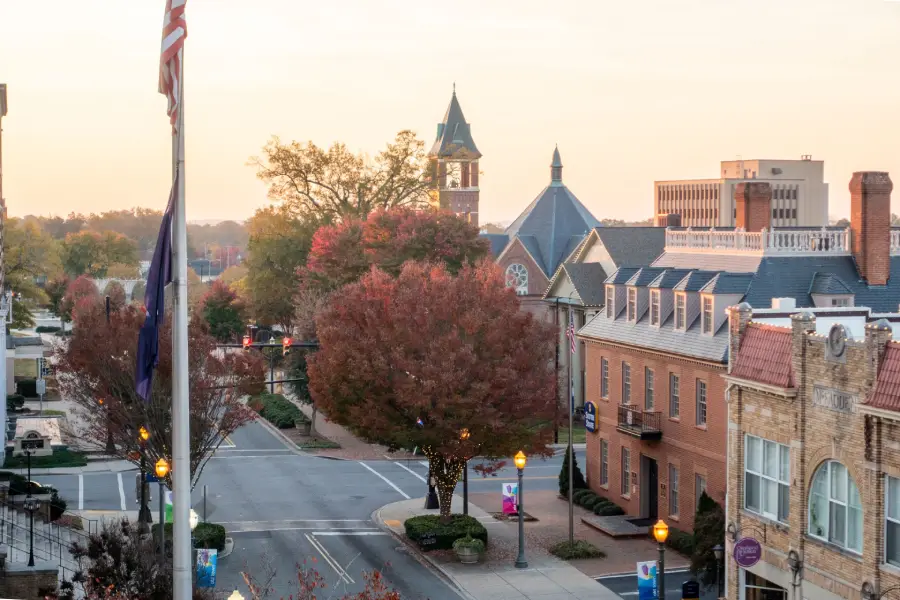
Rock Hill's crash risk reflects its role as York County's largest city and the primary commercial hub for South Carolina communities south of Charlotte, where I-77, Dave Lyle Boulevard, and Cherry Road converge to carry regional, commuter, and retail traffic at high volumes through a dense commercial environment.
SCDOT crash data identifies I-77 through York County — including the Rock Hill segment — and the Dave Lyle Boulevard commercial corridor as high-crash-frequency zones. The concentration of retail development, hotel and hospitality traffic, and interstate interchange activity creates sustained crash exposure along these corridors.
Cherry Road / SC-5 through Rock Hill is one of York County's highest-volume surface roads and carries a combination of residential commuter traffic, commercial access trips, and through-movement between northern and southern parts of the city. Its length and commercial character create crash conditions at multiple signalized intersections.
The Rock Hill Police Department handles crash response inside city limits. York County Sheriff's Office covers unincorporated areas. South Carolina Highway Patrol responds to crashes on I-77 and other state-maintained routes in York County.
Novant Health Piedmont Medical Center in Rock Hill provides emergency and acute care for York County crash victims. For the most serious trauma requiring Level I resources, Atrium Health Carolinas Medical Center in Charlotte is accessible via I-77.
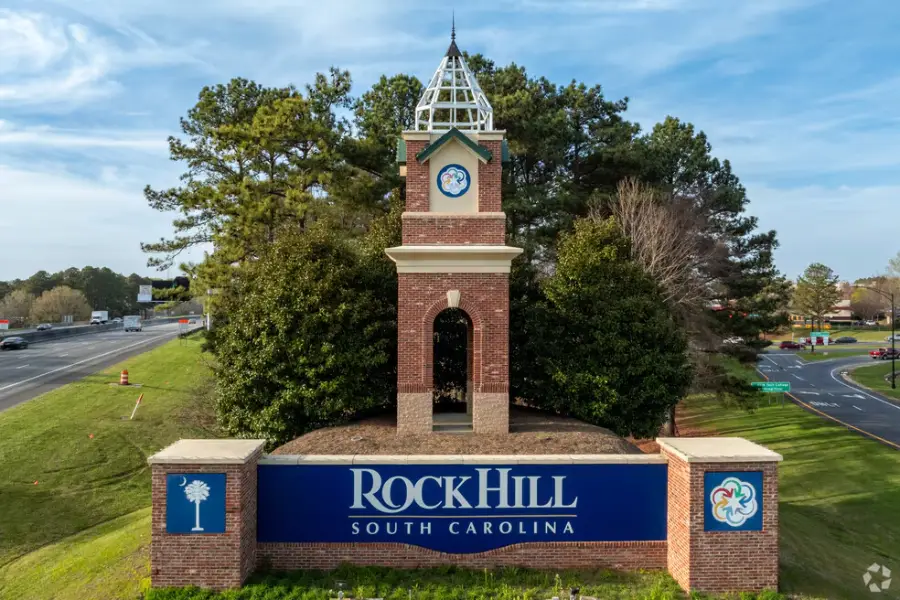
Car accidents are a serious issue in Rock Hill because the city functions as the economic anchor of York County and handles traffic from both its own population of approximately 75,000 residents and from surrounding communities that use Rock Hill as their primary commercial, medical, and employment destination.
Rock Hill is the largest city in York County and serves as the primary regional hub for South Carolina communities between Charlotte and Columbia. I-77 connects Rock Hill directly to Charlotte approximately 25 miles to the north and carries a very high volume of commuter traffic from residents who work in the Charlotte metro but live in Rock Hill for lower housing costs.
Dave Lyle Boulevard is the primary commercial corridor connecting I-77 to Rock Hill's retail core. The road handles traffic from I-77 exits heading toward the major retail concentration at Galleria Mall and surrounding commercial development. High volumes, frequent turning movements, and pedestrian activity near major retail anchors create the conditions for frequent crashes.
Cherry Road / SC-5 runs the full length of Rock Hill from north to south and serves as the primary commercial and residential spine of the city. The road's length, its concentration of commercial businesses, and the mix of local and regional traffic make it one of York County's most active crash corridors.
Which roads and traffic conditions create the most risk in Rock Hill?
The roads that create the most risk in Rock Hill include I-77 near the Rock Hill exits, Dave Lyle Boulevard, Cherry Road (SC-5), Celanese Road, Ebenezer Road, and SC-161 / Mount Gallant Road. I-77 and Dave Lyle Boulevard create the highest-severity crash environment. Cherry Road produces the highest crash frequency among surface roads.
I-77 through Rock Hill carries the highest-speed traffic and creates the greatest serious-injury crash risk. Interchange activity near Exits 77 through 82 concentrates merging and deceleration traffic at points where commercial development generates high exit volumes. Commercial trucks using I-77 as a regional freight route add to the serious-injury crash risk.
Dave Lyle Boulevard from I-77 to the Rock Hill commercial core handles the transition from interstate-speed traffic to local commercial street conditions. This transition zone where vehicles decelerate from 70+ mph to commercial-strip speeds is a consistent crash environment in cities where major retail development sits at interchange exits.
Cherry Road / SC-5 carries the highest sustained crash volume of any surface road in Rock Hill because of its length, commercial intensity, and the variety of vehicle types and trip purposes it serves. Residential access points, fast food and retail driveways, hospital-area traffic near the Piedmont Medical Center campus, and through-commuter movement all compete for priority on this corridor.
Major roads and corridors in Rock Hill
I-77 — Primary north-south interstate through Rock Hill. Commuter traffic to Charlotte, commercial trucks, and interchange transitions near multiple Rock Hill exits create elevated crash risk.
Dave Lyle Boulevard (SC-901) — Primary commercial corridor from I-77 to Rock Hill's retail core. Interstate-to-local speed transitions and retail access create concentrated crash conditions.
Cherry Road (SC-5) — Primary north-south commercial spine through Rock Hill. Long commercial strip with frequent intersections, business access, and mixed traffic produces high crash frequency.
Celanese Road — East-west industrial and commercial corridor in Rock Hill. Commercial vehicle traffic and access to industrial facilities create crash conditions.
Ebenezer Road — North Rock Hill connector linking residential areas to I-77 and commercial corridors. Growing residential traffic and commercial access create increasing crash exposure.
SC-161 / Mount Gallant Road — North connector linking Rock Hill to Fort Mill and other York County communities. Carries commuter and local traffic between major destinations.
Dangerous intersections and congestion zones in Rock Hill
I-77 at the Dave Lyle Boulevard interchange is Rock Hill's highest-severity crash zone. Interstate-speed vehicles decelerating to commercial-strip conditions at one of the area's most active retail destinations creates rear-end and merging crash conditions at high frequencies.
Cherry Road at Celanese Road is a major east-west and north-south crossing in the commercial core of Rock Hill. High turning volumes, commercial access on all approaches, and sustained traffic throughout the day create consistent crash conditions.
Dave Lyle Boulevard at Cherry Road is the intersection where the primary commercial corridors from I-77 and from the north-south spine of Rock Hill converge. This intersection concentrates the highest vehicular volume of any surface intersection in the city.
Cherry Road at the Piedmont Medical Center campus area generates hospital-traffic and pedestrian-crossing interactions in addition to the commercial corridor baseline crash conditions.
Ebenezer Road at Cherry Road connects north Rock Hill residential areas to the commercial spine and produces turning conflicts during peak morning and evening commute periods.
Local Resources for Accident Victims in Rock Hill
What should you do after a car accident in Rock Hill?
After a Rock Hill car accident: call 911, get medical care, document the scene, request the crash report from Rock Hill Police Department or York County Sheriff's Office, and avoid giving detailed insurance statements before speaking with an attorney about how South Carolina's comparative fault rules affect your claim.
1. Call 911. Rock Hill Police Department handles crash response inside city limits. York County Sheriff's Office responds in unincorporated York areas. The South Carolina Highway Patrol responds on state highways and interstates.
2. Seek medical care. Novant Health Piedmont Medical Center in Rock Hill is the primary acute-care facility for the Rock Hill area. For serious trauma, Atrium Health Carolinas Medical Center in Charlotte provides higher-level emergency resources.
3. Document the scene. Photograph vehicle damage, road conditions, traffic signals, skid marks, and injuries. SCDOT and commercial cameras along I-77 and Cherry Road (SC-5) may have recorded the crash.
4. Collect witness and insurance information. Get names and phone numbers. Do not discuss fault at the scene.
5. Request the crash report. Rock Hill Police Department crash reports can be requested through the department's records division. South Carolina Highway Patrol reports are available through SCHP records. SCDOT's online portal also provides access for state highway crashes.
6. Be careful with insurance calls. Even under South Carolina's more plaintiff-friendly comparative fault system, early statements can be used to increase your assigned percentage of fault and reduce your recovery.
7. Speak with a lawyer before settling. Your settlement should account for all medical costs, future treatment, lost income, and the long-term impact of your injuries.
Talk to a Rock Hill car accident lawyer today
If you were injured in a Rock Hill car accident, we can help you understand how South Carolina law applies to your claim, what your case may be worth, and how to protect your rights through the insurance process.
Frequently asked questions
What should I do immediately after a car accident in Rock Hill?
Call 911, get medical care, photograph the scene, collect witness information, and request the crash report from Rock Hill Police Department or the South Carolina Highway Patrol. Be thoughtful about early statements to insurance companies — your assigned fault percentage directly affects your recovery under South Carolina law.
Which roads in Rock Hill have the highest crash risk?
The roads that create the most risk in Rock Hill include I-77 near the Rock Hill exits, Dave Lyle Boulevard, Cherry Road (SC-5), Celanese Road, Ebenezer Road, and SC-161 / Mount Gallant Road. I-77 and Dave Lyle Boulevard create the highest-severity crash environment. Cherry Road produces the highest crash frequency among surface roads.
How do I get a crash report after a Rock Hill accident?
Rock Hill Police Department crash reports can be requested through the department's records division. For crashes on state highways investigated by the South Carolina Highway Patrol, reports are available through SCHP records or SCDOT's online crash report portal. Allow a few days after the crash before requesting.
Where should I go for emergency medical care after a serious Rock Hill crash?
Novant Health Piedmont Medical Center in Rock Hill provides emergency and acute care for crash victims in the Rock Hill area. For the most serious trauma, Atrium Health Carolinas Medical Center in Charlotte offers higher-level emergency resources.
How does South Carolina's fault system affect my Rock Hill car accident claim?
South Carolina follows a modified comparative fault system under SC Code Ann. § 15-38-15. Unlike North Carolina's contributory negligence rule — which can completely bar recovery if you are found even slightly at fault — South Carolina allows injured people to recover as long as they are less than 51% responsible for the crash. Your recovery is reduced proportionally by your percentage of fault. This means that handling fault carefully still matters in a Rock Hill accident case — reducing your assigned fault percentage directly increases your potential recovery — but a partial-fault finding does not automatically eliminate your claim.