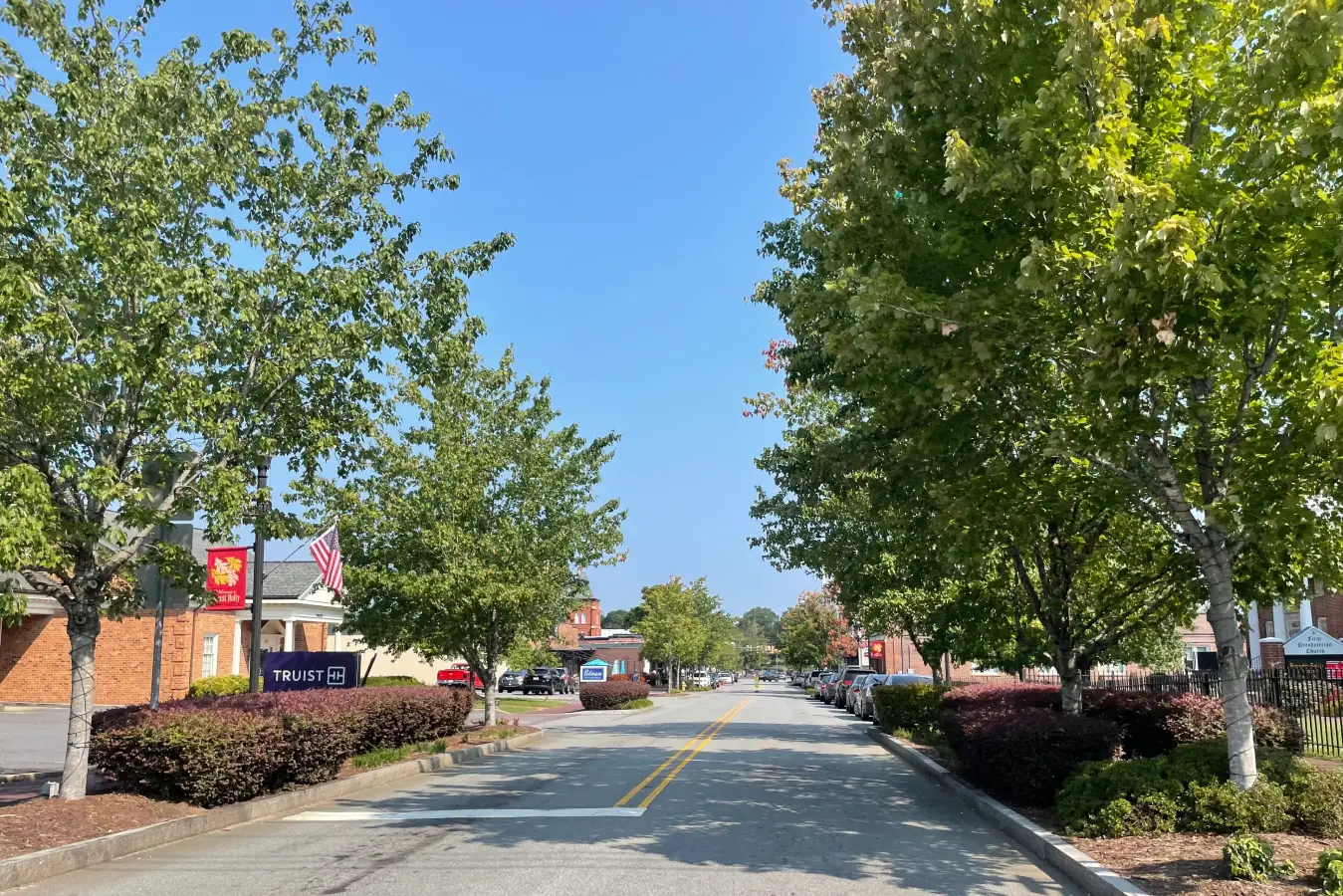
Mount Holly's crash risk reflects its position as a Catawba River crossing community where NC-273, NC-27, and US-74 converge to carry commuter and industrial traffic between Gaston County and the Charlotte metro.
NCDOT crash data identifies the US-74 and NC-273 corridors in Gaston County as high-volume routes with documented crash histories, with commercial and commuter traffic contributing to crash frequency near Mount Holly's road network.
Mount Holly's road network connects Gaston County's industrial areas to the Charlotte metro via routes that carry both local traffic and through-movement, creating crash conditions where vehicles operating at different speeds and with different destinations share limited road space.
The Mount Holly Police Department and Gaston County Sheriff's Office handle crash response within city limits and in surrounding unincorporated areas, with NCHP responding to crashes on state highways through the area.
CaroMont Regional Medical Center in Gastonia provides emergency and acute care for Gaston County crash victims. Serious trauma requiring Level I resources is typically transferred to Atrium Health Carolinas Medical Center in Charlotte.
Car accidents are a serious issue in Mount Holly because the city sits at a key Catawba River crossing point where multiple routes converge to carry Gaston County commuters and industrial traffic toward Charlotte, creating concentrated crash exposure on a road network that has not kept pace with growth.
Mount Holly is a Gaston County city built around the Catawba River crossing on NC-273 and serves as a connector between Charlotte's western suburbs and Gastonia's industrial areas. The city's road network carries a mix of local residents, industrial workers, and commuters who use Mount Holly as a bypass route when I-85 and US-74 are congested.
NC-273 / Beatty Ford Road is the primary corridor through the city and carries traffic from residential neighborhoods and industrial areas to the Catawba River crossing and toward Charlotte. The road's mix of residential access, commercial strips, and through-traffic creates a varied crash environment.
US-74 east of Mount Holly provides a higher-speed connection to the Charlotte metro and sees significant traffic that has grown with residential development on both sides of the Gaston-Mecklenburg county line. Commercial truck use of this corridor to avoid I-85 congestion adds to crash exposure.
Which roads and traffic conditions create the most risk in Mount Holly?
The roads that create the most risk in Mount Holly include NC-273 / Beatty Ford Road, NC-27 / Tuckaseegee Road, South Hawthorne Road, and US-74 east toward Charlotte. The intersection of NC-273 with major connectors to the north and south is the primary crash concentration area.
.webp)
NC-273 / Beatty Ford Road through Mount Holly is the city's primary traffic corridor and handles the widest variety of vehicle types and trip purposes. Commercial entrances, signalized intersections, and the Catawba River bridge approach create braking and turning conflicts that account for a significant share of local crash activity.
NC-27 / Tuckaseegee Road connects Mount Holly westward toward Gastonia and carries industrial and commuter traffic through an area that mixes residential neighborhoods with light industrial uses. The road's speed environment and limited sight distances in some sections create crash conditions.
South Hawthorne Road provides a north-south connector that has absorbed additional traffic with residential development in Gaston County's eastern areas. Growing traffic volumes on a road not originally designed for current use creates increasing crash exposure.
Major roads and corridors in Mount Holly
NC-273 / Beatty Ford Road — Primary corridor through Mount Holly. Residential, commercial, and industrial traffic converge with Catawba River crossing access. Signalized intersections and business entrances create frequent crash conditions.
NC-27 / Tuckaseegee Road — West corridor toward Gastonia. Carries industrial and commuter traffic with mixed speed environments.South Hawthorne Road — North-south connector handling growing residential traffic in eastern Gaston County.
US-74 — Eastern connector toward Charlotte. Higher-speed commuter and commercial corridor with growing traffic volumes.
Catawba Street / Downtown Corridor — Local connector near the Catawba River with pedestrian crossings and commercial access.
Dangerous intersections and congestion zones in Mount Holly
NC-273 at NC-27 is the primary intersection in Mount Holly's commercial core where the city's two main corridors cross. Turning movements from multiple approaches and commercial access on all sides create high-frequency crash conditions.
NC-273 at South Hawthorne Road is a key north-south crossing point where residential traffic from Gaston County's growing neighborhoods enters the primary east-west corridor.
US-74 at NC-273 east of the city center is the intersection where Mount Holly's primary local road meets the regional connector toward Charlotte, generating turning conflicts between local and through traffic.
NC-27 at the Catawba River bridge approach is a location where road geometry, bridge transitions, and traffic speeds create crash conditions particularly significant for trucks and vehicles towing trailers.
Local Resources for Accident Victims in Mount Holly
What should you do after a car accident in Mount Holly?
After a Mount Holly car accident: call 911, get medical care, document the scene, request the crash report from Mount Holly Police Department or Gaston County Sheriff's Office, and avoid giving detailed insurance statements before you understand how North Carolina's contributory negligence rule affects your claim.
1. Call 911. Mount Holly Police Department handles crash response inside city limits. Gaston County Sheriff's Office responds in unincorporated Gaston areas. NCHP responds on state highways and interstates.2. Seek medical care. CaroMont Regional Medical Center in Gastonia is the primary acute-care facility for the area. For serious trauma requiring a Level I resource, Atrium Health Carolinas Medical Center in Charlotte serves as the regional trauma center.3. Document the scene. Photograph vehicle damage, road conditions, traffic signals, skid marks, and injuries. Business cameras and NCDOT cameras in the NC-273 and US-74 corridor may have recorded the crash.4. Collect witness and insurance information. Get names and phone numbers. Do not discuss fault at the scene.5. Request the crash report. Mount Holly Police Department crash reports can be requested through the department's records division. For crashes on state highways investigated by NCHP, NCDOT's online crash report portal provides access.6. Be careful with insurance calls. North Carolina's contributory negligence rule means early fault statements can damage your claim.7. Speak with a lawyer before settling. Your settlement should account for all medical costs, lost income, and the long-term impact of your injuries.
Talk to a Mount Holly car accident lawyer today
If you were injured in a Mount Holly car accident, we can help you understand how North Carolina law applies to your claim, what your case may be worth, and how to protect your rights through the insurance process.
Frequently asked questions
What should I do immediately after a car accident in Mount Holly?
Call 911, get medical care, photograph the scene, collect witness information, and request the crash report from Mount Holly Police Department or NCDOT. Avoid giving detailed fault statements to insurance companies until you understand how North Carolina's contributory negligence law may affect your claim.
Which roads in Mount Holly have the highest crash risk?
The roads that create the most risk in Mount Holly include NC-273 / Beatty Ford Road, NC-27 / Tuckaseegee Road, South Hawthorne Road, and US-74 east toward Charlotte. The intersection of NC-273 with major connectors to the north and south is the primary crash concentration area.
How do I get a crash report after a Mount Holly accident?
Mount Holly Police Department crash reports can be requested through the department's records division. For crashes on interstates or state highways investigated by NCHP, NCDOT's online crash report portal provides access. Reports are typically available within a few days of the crash.
Where should I go for emergency medical care after a serious Mount Holly crash?
CaroMont Regional Medical Center in Gastonia provides emergency and acute care for crash victims in the Mount Holly area. For the most serious trauma requiring Level I resources, Atrium Health Carolinas Medical Center in Charlotte is the regional trauma center.
How does North Carolina's contributory negligence rule affect my Mount Holly car accident claim?
North Carolina follows contributory negligence, meaning an injured person may be barred from any recovery if found even slightly at fault for the crash. This rule — followed in only a handful of states — makes how fault is handled from the very beginning of a Mount Holly car accident case critically important. Insurance companies are aware of this rule and may use early statements to argue the injured person contributed to the crash.