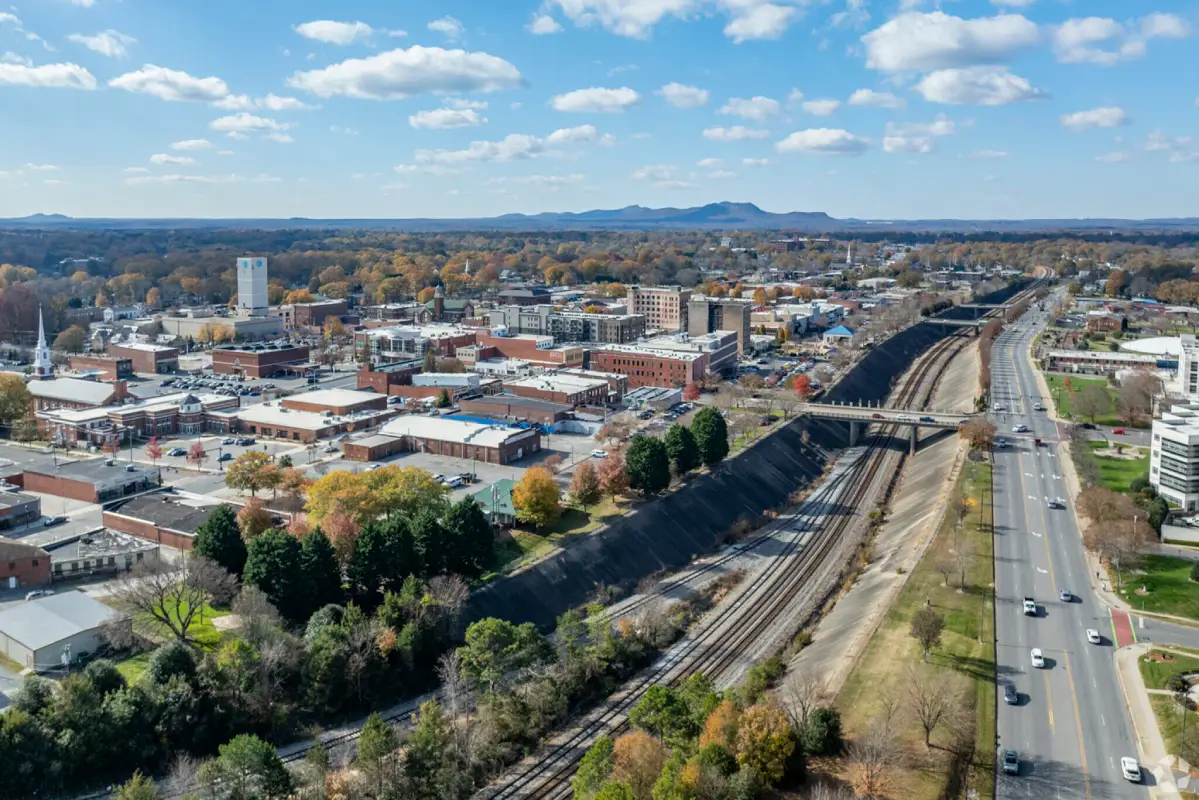
Gastonia's crash risk is driven by I-85, US-321, and the Franklin Boulevard corridor, where commercial truck traffic, commuters traveling between Gaston and Mecklenburg counties, and high-volume surface roads create significant crash exposure.
NCDOT statewide crash records consistently show I-85 through Gaston County and the US-321 corridor in Gastonia as high-frequency crash locations, with commercial trucks contributing to a significant share of serious-injury collisions.
Gaston County's crash pattern reflects heavy freight and commercial truck movement on I-85 and the US-321 corridor, where the combination of high speeds, large vehicles, and access to industrial and commercial properties creates serious crash risk.
The Gastonia Police Department and Gaston County Sheriff's Office handle crash response within city limits and unincorporated areas respectively, with NCDOT tracking crash patterns along the I-85 and US-321 corridors for safety prioritization.
CaroMont Regional Medical Center in Gastonia is the primary acute-care hospital serving Gaston County, providing emergency care for crash-related injuries. Serious trauma cases requiring a Level I trauma center are typically transferred to Atrium Health Carolinas Medical Center in Charlotte.
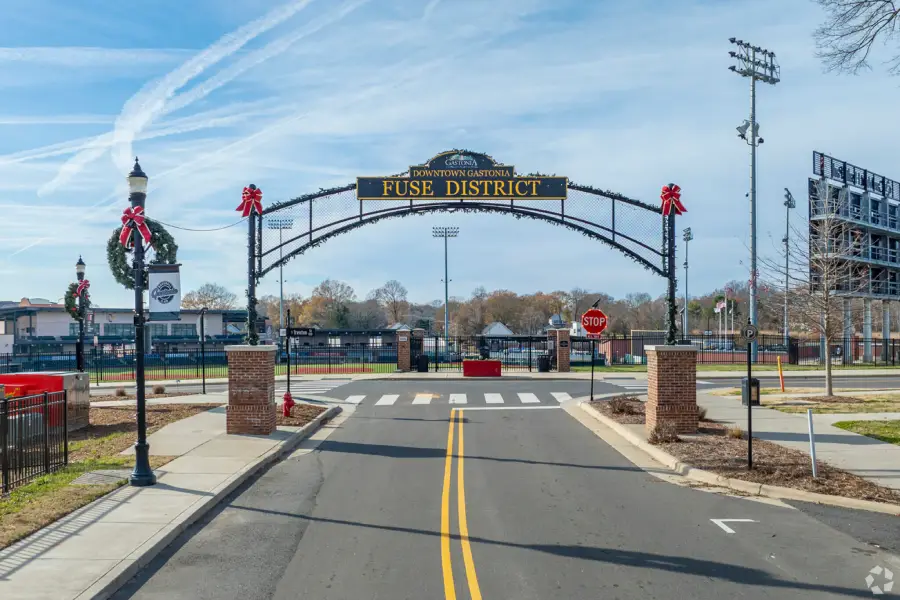
Car accidents are a serious issue in Gastonia because the city sits on one of the most heavily traveled freight and commuter corridors in the Southeast. I-85 and US-321 bring significant truck traffic through Gaston County, and the surface road network in and around Gastonia handles commuter volume that has grown steadily with the Charlotte metro's expansion.
Gastonia is Gaston County's largest city and sits along the I-85 corridor that connects Charlotte to the South Carolina state line. Commercial truck traffic is a consistent feature of I-85 through this area, and crashes involving large trucks carry different legal considerations than standard two-vehicle collisions.
US-321 runs north through Gastonia and carries significant traffic between Gaston County and the Lincoln County and Catawba Valley areas to the north. The Franklin Boulevard commercial corridor through central Gastonia is another area where high traffic density, access points, and turning movements create elevated crash exposure.
For an injured person in Gastonia, identifying whether a commercial vehicle was involved, which road the crash occurred on, and what law enforcement agency handled the investigation are all important early steps in understanding the claim.
Which roads and traffic conditions create the most risk in Gastonia?
The roads that create the most risk in Gastonia include I-85, US-321, Franklin Boulevard, Bessemer City Road, and Cox Road. The I-85 / US-321 interchange area is particularly significant because it combines high-speed interstate traffic with surface road access in a compressed area.
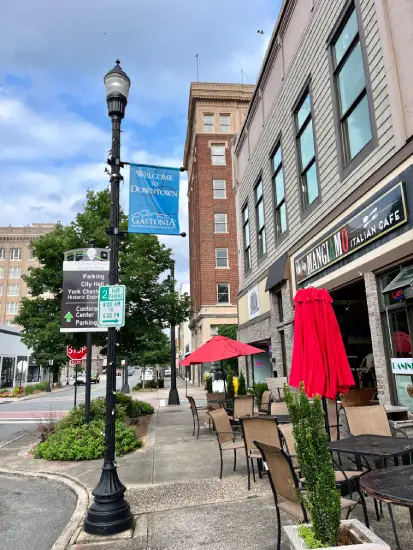
Gastonia's road risk is anchored by I-85 and US-321, which carry both regional and local traffic through the city. I-85 is a primary freight corridor through the Southeast, and large commercial trucks are a consistent presence in the Gaston County segment. Crashes involving commercial trucks typically produce more serious injuries and involve additional legal considerations — such as federal trucking regulations, carrier insurance requirements, and employer liability — that differ from standard vehicle crashes.
Franklin Boulevard runs east-west through central Gastonia and is one of the city's primary commercial corridors. Business access points, signalized intersections, pedestrian crossings, and turning traffic make Franklin Boulevard a high-frequency crash environment. The intersection of Franklin Boulevard with US-321 is one of the busiest and most complex traffic points in Gaston County.
Bessemer City Road and Cox Road serve as secondary corridors that connect Gastonia to surrounding communities and carry significant volume from residential and industrial areas to the south and west of the city. These roads tend to see crashes involving local commuters, commercial vehicles serving nearby industrial facilities, and through traffic seeking alternatives to the I-85 and US-321 main corridors.
Major roads and corridors in Gastonia
I-85 — Primary freight and commuter interstate through Gastonia and Gaston County. Commercial truck traffic is a consistent feature; crashes can involve serious injuries and federal trucking regulations.
US-321 — North-south state highway carrying traffic between Gaston County and Lincoln and Catawba counties. High volume and access points create elevated crash risk.
Franklin Boulevard — East-west commercial corridor through central Gastonia. Business access, pedestrian crossings, and turning movements make this a high-frequency crash location.
I-85 / US-321 Interchange — Complex interchange area combining interstate and surface road traffic. One of the highest-risk crash zones in Gaston County.
Bessemer City Road — Secondary corridor connecting Gastonia to communities to the southwest. Carries industrial and commuter traffic with limited safety infrastructure upgrades.
Cox Road — South Gastonia connector serving residential and industrial areas, carrying increasing traffic as development expands in the southern portions of Gaston County.
Dangerous intersections and congestion zones in Gastonia
The I-85 / US-321 interchange in Gastonia is one of the most complex and highest-risk crash zones in Gaston County. Interstate speed traffic merging with surface road access creates conditions for serious multi-vehicle crashes.
Franklin Boulevard at US-321 is the intersection of two of Gastonia's highest-volume corridors. Turning volumes, pedestrian crossings, and commercial access on both roads make this a frequent crash location.
US-321 between Franklin Boulevard and Cox Road carries a mix of local commercial traffic and through traffic heading north and south. The corridor's signalized intersections and business access points create stop-and-go crash conditions.
Bessemer City Road at I-85 generates access-ramp conflicts where local traffic attempts to enter or cross the interstate corridor at high-volume on-ramp locations.
Franklin Boulevard between the I-85 overpass and Chester Street represents the highest-density commercial segment of Gastonia's primary east-west corridor and concentrates significant turning and access-point crash activity.
Local Resources for Accident Victims in Gastonia
What should you do after a car accident in Gastonia?
After a Gastonia car accident: call 911, get medical care, document the scene, request the crash report from Gastonia Police or the Gaston County Sheriff, and avoid giving detailed insurance statements early. North Carolina's contributory negligence rule means even a minor fault allegation can jeopardize your recovery.
1. Call 911. Gastonia Police Department handles crash response inside city limits. Gaston County Sheriff's Office responds in unincorporated areas. NCHP responds on I-85 and state highways.
2. Seek medical care. CaroMont Regional Medical Center in Gastonia is the primary acute care hospital for Gaston County crash victims. For serious trauma requiring a Level I trauma center, Atrium Health Carolinas Medical Center in Charlotte serves as the regional resource.
3. Document the scene. Photograph vehicle damage, road conditions, traffic signals, skid marks, and injuries. On I-85 and the US-321 corridor, NCDOT and commercial cameras may have recorded the crash.
4. Collect witness and insurance information. Get names and phone numbers. Do not discuss fault.
5. Request the crash report. Gastonia Police crash reports can be requested through GPD Records. Gaston County Sheriff reports are available through the Sheriff's records office. NCDOT's online crash portal covers state highway crashes.
6. Be careful with insurance calls. Commercial truck insurance carriers in particular have experienced claims teams. Do not give recorded statements without understanding your rights
7. Speak with a lawyer before settling. Crashes involving commercial trucks may involve additional claims and carriers beyond a standard two-vehicle collision.
Talk to a Gastonia car accident lawyer today
If you were injured in a Gastonia car accident — whether on I-85, US-321, or a local road — we can help you understand your options, assess your claim, and protect your recovery under North Carolina law.
Frequently asked questions
What should I do immediately after a car accident in Gastonia?
Call 911, get medical care, photograph the scene, collect witness information, and request the crash report from Gastonia Police or the Gaston County Sheriff. Avoid recorded insurance statements early. If a commercial truck was involved, preserving evidence quickly is especially important.
Which roads in Gastonia have the highest crash risk?
Major risk corridors include I-85, US-321, Franklin Boulevard, the I-85 / US-321 interchange, Bessemer City Road, and Cox Road. I-85 is particularly significant because commercial truck traffic generates more serious crashes and additional legal considerations.
How do I get a crash report after a Gastonia accident?
Gastonia Police crash reports can be requested through GPD Records. Gaston County Sheriff reports are available through the Sheriff's records division. For I-85 and state highway crashes investigated by NCHP, use NCDOT's online crash report portal.
Where should I go for emergency medical care after a serious Gastonia crash?
CaroMont Regional Medical Center in Gastonia provides emergency care for Gaston County crash victims. For serious trauma requiring Level I trauma resources, Atrium Health Carolinas Medical Center in Charlotte serves as the regional trauma center.
How does North Carolina's contributory negligence rule affect my Gastonia car accident claim?
North Carolina's contributory negligence rule applies in Gastonia just as it does across the state: an injured person found even partially at fault may be completely barred from recovery. In crashes involving commercial trucks, insurance carriers are experienced at using this rule to limit or eliminate claims. Early statements about fault should be approached with extreme caution.