
What to Do After a Dog Bite in Florida
Bitten by a dog in Florida? Learn the steps to take right away, how Florida's strict liability dog bite law works, the Bad Dog sign defense, and how long you have to file.
What to Do After a Dog Bite in Florida
A step-by-step guide to protecting your health and your right to compensation
A dog bite can happen in a split second, at a neighbor's house, on a sidewalk, or at a friend's backyard barbecue. One moment everything is normal, and the next you are dealing with pain, bleeding, and a lot of questions about what comes next.
If you or your child was bitten by a dog in Florida, you are not alone, and you do not have to sort this out by yourself. Florida has its own dog bite statute, and it is one of the more victim-friendly laws in the country. But insurance companies still look for ways to reduce or deny these claims.
This guide walks you through exactly what to do after a dog bite in Florida, how Florida law treats dog owners, and when it makes sense to talk with a personal injury lawyer.
What Should You Do Right After a Dog Bite in Florida?
The short answer: get medical care, identify the dog and its owner, report the bite, document everything, and be careful what you say to insurance companies.
Under Florida Statute § 767.04, a dog owner is generally liable when their dog bites someone who is in a public place or lawfully on private property, even if the dog never showed aggression before and the owner had no idea it was dangerous. That makes Florida a "strict liability" state for dog bites. However, your recovery can be reduced if the owner shows you were partly at fault, and a few specific defenses exist, such as a properly posted "Bad Dog" sign in some situations.
Because these details can make or break a claim, the steps you take in the first hours and days matter. Here is what to do.
Step 1: Get Medical Attention Right Away
Your health comes first. Even a bite that looks minor can puncture deep tissue, damage nerves or tendons, and carry bacteria into the wound. Dog bites are prone to infection, and there is always the question of rabies exposure.
- Wash the wound gently with soap and water and apply clean pressure to control bleeding.
- Go to urgent care, an emergency room, or your doctor as soon as possible.
- Tell the provider you were bitten by a dog so the bite is documented in your medical records.
- Follow every treatment instruction, including antibiotics, wound checks, and follow-up visits.
Prompt medical care also creates an official record linking your injuries to the bite. Gaps in treatment are one of the first things an insurance adjuster will point to when arguing that your injuries are not serious.
Step 2: Identify the Dog and Its Owner
If it is safe to do so, get the following information before everyone leaves the scene:
- The dog owner's name, address, and phone number
- A description of the dog (breed, size, color, name)
- Whether the dog is current on its rabies vaccination
- The owner's homeowner's or renter's insurance information, if they will share it
- Names and contact information for any witnesses
Knowing the dog's vaccination status matters for your medical care. Knowing who owns the dog matters for your claim, because Florida's dog bite statute places responsibility on the owner.
Step 3: Report the Dog Bite
Contact your local animal control agency or county health department to report the bite. In Florida, dogs, cats, and ferrets that bite a person can be confined for a 10-day observation period to watch for signs of rabies. For example, Charlotte County Animal Control describes this 10-day observation for animals that bite or otherwise potentially expose a person to rabies. Procedures vary somewhat by county, so follow the instructions of your local agency.
A report creates an official record of the incident, the dog, and the owner. It can also reveal whether the dog has been involved in prior incidents or has previously been declared dangerous, which can be important information for your case.
Step 4: Document Everything
Evidence fades quickly, so start collecting it right away:
- Photos of your injuries on the day of the bite and as they heal, including any scarring
- Photos of the location, including gates, fences, leashes, or any posted signs
- Torn or bloodied clothing, kept in a bag and not washed
- Medical records and bills, prescriptions, and receipts
- Proof of missed work and lost income
- A simple journal describing your pain, sleep, anxiety, and how the injury affects daily life
Dog bites often cause emotional effects as well as physical ones, especially for children. Fear of dogs, nightmares, and anxiety are worth writing down and mentioning to your doctor.
If you were injured by a dog in Florida, Biazzo Injury Law can help. Contact us for a free consultation. You pay nothing unless we win.
Step 5: Be Careful With Insurance Companies
Many dog bite claims are paid through the dog owner's homeowner's or renter's insurance policy. That means you may get a call from an adjuster soon after the bite. Adjusters are trained to protect the insurance company's bottom line, not yours.
- Do not give a recorded statement before talking to a lawyer.
- Do not guess about what happened or downplay your injuries.
- Do not sign medical authorizations or releases you do not understand.
- Do not accept a quick settlement before you know the full extent of your injuries, including possible scarring.
Also avoid posting about the bite on social media. Photos and comments can be taken out of context and used to argue you were not seriously hurt or that you provoked the dog.
Florida Dog Bite Law: What You Need to Know
Florida's dog bite rules are set out primarily in Chapter 767 of the Florida Statutes. Here are the key points:
Strict liability for dog owners
Under Florida Statute § 767.04, the owner of a dog that bites a person who is in a public place, or lawfully in a private place (including the owner's own property), is liable for the damages suffered, regardless of the dog's former viciousness or the owner's knowledge of it. In other words, Florida does not have a "one free bite" rule. You generally do not have to prove the owner knew the dog was dangerous.
A person is considered lawfully on the owner's property if they are there performing a legal duty (for example, a mail carrier) or are there by the owner's express or implied invitation.
The "Bad Dog" sign defense
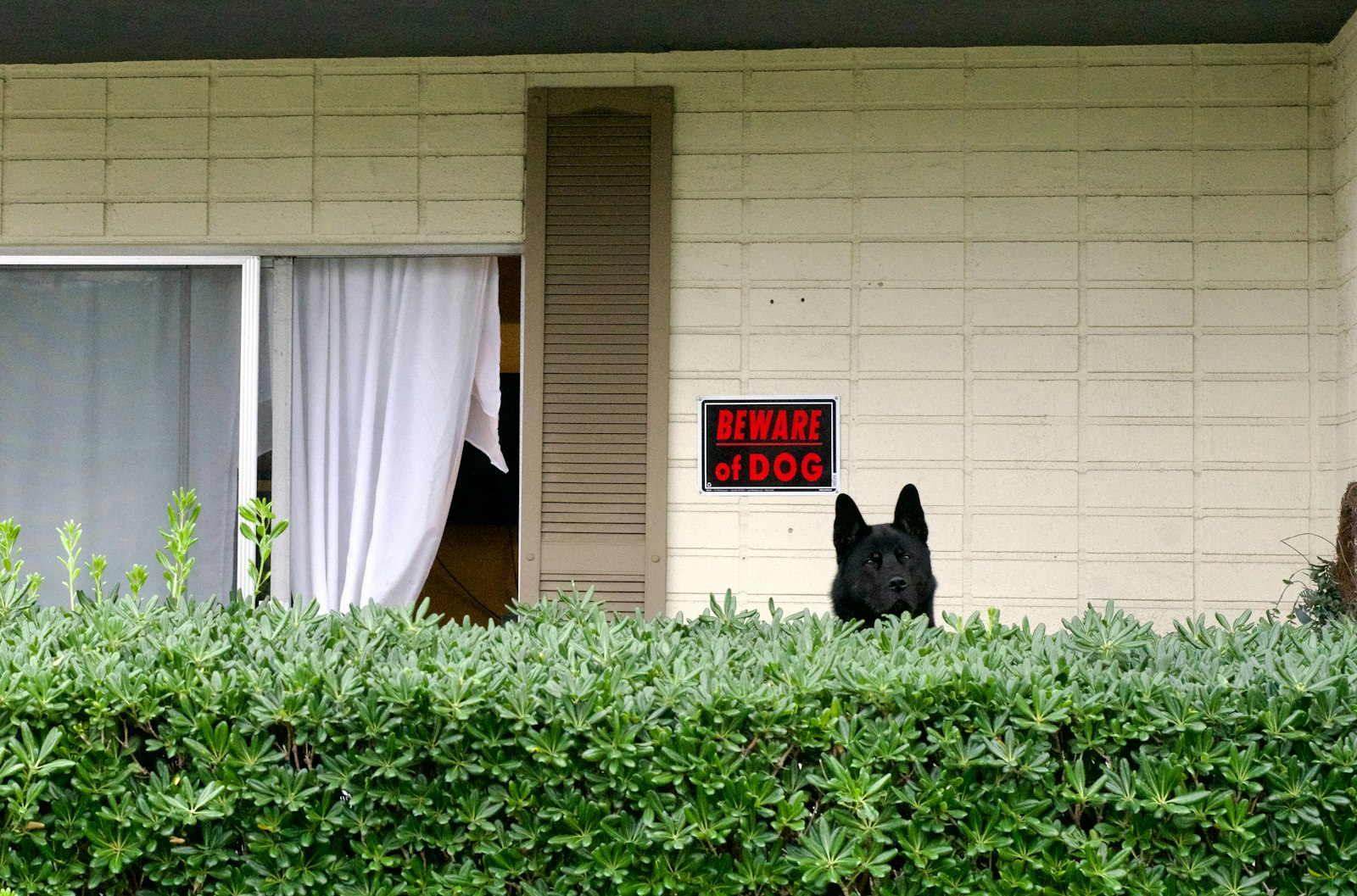
Florida law gives owners a limited defense: an owner may not be liable if they displayed a prominent, easily readable sign that includes the words "Bad Dog" on their premises. But this defense does not apply when the person bitten is under 6 years old, or when the damages were caused by a negligent act or omission of the owner. Whether a sign was truly prominent and readable is often a disputed fact.
Your own share of fault
If the owner shows that your own negligence helped cause the bite (for example, by provoking the dog), § 767.04 says the owner's liability is reduced by the percentage your negligence contributed. Separately, Florida's general negligence law now bars recovery for any party found more than 50 percent at fault for their own harm (Florida Statute § 768.81(6), added by the 2023 tort reform law, HB 837). How these fault rules apply depends on the facts and on how the claim is brought, which is one reason to have a lawyer review your case.
Dogs with dangerous propensities
Under § 767.01, a dog owner is liable for damage their dog does to a person, and an owner who knows of a dog's dangerous propensities must securely confine the dog in a proper enclosure. If a dog that was already declared dangerous attacks again, the owner can face criminal penalties under § 767.13, in addition to civil liability.
What Compensation Can You Recover After a Florida Dog Bite?
Every case is different, and no lawyer can promise a particular result. Depending on the facts, a Florida dog bite claim may include compensation for:
- Emergency care, surgery, and ongoing medical treatment
- Future medical care, including scar revision or plastic surgery
- Lost wages and reduced ability to earn
- Pain and suffering
- Scarring and disfigurement
- Emotional distress, anxiety, and counseling costs
The value of a claim depends on the severity of the injuries, the available insurance coverage, the evidence, and how fault is allocated.
When Should You Speak With a Dog Bite Lawyer?
Not every dog bite requires a lawyer. However, legal guidance may be helpful when:
- The bite required stitches, surgery, or caused scarring
- A child was bitten
- The owner or insurer claims you provoked the dog or were trespassing
- The owner says they posted a "Bad Dog" sign
- The insurance company is delaying, denying, or offering a low settlement
- You are unsure who owns the dog or whose insurance applies
How Long Do You Have to File a Dog Bite Claim in Florida?
Time limits are strict. Since Florida's 2023 tort reform (HB 837), the statute of limitations for an action founded on negligence in Florida is generally two years (Florida Statute § 95.11). The exact deadline that applies can depend on how the claim is brought and the specific facts, so do not assume you have more time than you do. Evidence, witness memories, and records are also easier to secure early. If you miss the deadline, you may lose your right to recover anything at all.
Frequently Asked Questions About Dog Bites in Florida
Is Florida a strict liability state for dog bites?
Yes. Under Florida Statute § 767.04, a dog owner is generally liable when their dog bites someone in a public place or lawfully on private property, even if the dog had never been aggressive and the owner did not know it was dangerous. Limited defenses, such as a "Bad Dog" sign or the victim's own negligence, may apply.
Does a "Bad Dog" sign protect the owner in Florida?
Sometimes. A prominently displayed, easily readable sign that includes the words "Bad Dog" can be a defense. It does not apply if the person bitten is under 6 years old, or if the owner's own negligent act or omission caused the injury. Whether a sign qualified is often disputed.
What if I was bitten while visiting a friend's home?
If you were lawfully on the property, for example as an invited guest, Florida's dog bite statute can still apply even though the dog's owner is a friend. These claims are typically paid by the owner's homeowner's or renter's insurance policy, not out of your friend's pocket.
Do I have to report a dog bite in Florida?
Reporting the bite to your local animal control agency or county health department is strongly recommended. Biting dogs can be placed in a 10-day observation period to check for rabies, and the report creates an official record that can be important for your health and for any claim.
How much does a dog bite lawyer cost?
At Biazzo Injury Law, dog bite cases are handled on a contingency fee basis. That means there is no upfront cost, the consultation is free, and you pay no attorney's fee unless we win your case.
Talk With a Florida Dog Bite Lawyer
A dog bite can leave you with medical bills, time away from work, lasting scars, and fear that does not go away when the wound heals. You deserve answers and a fair recovery, not pressure from an insurance company.
Biazzo Injury Law helps injured people in Florida, and attorneys William Parris and Corey Biazzo are ready to review what happened to you. Contact us today for a free, no-obligation consultation. You pay nothing unless we win.


